The species
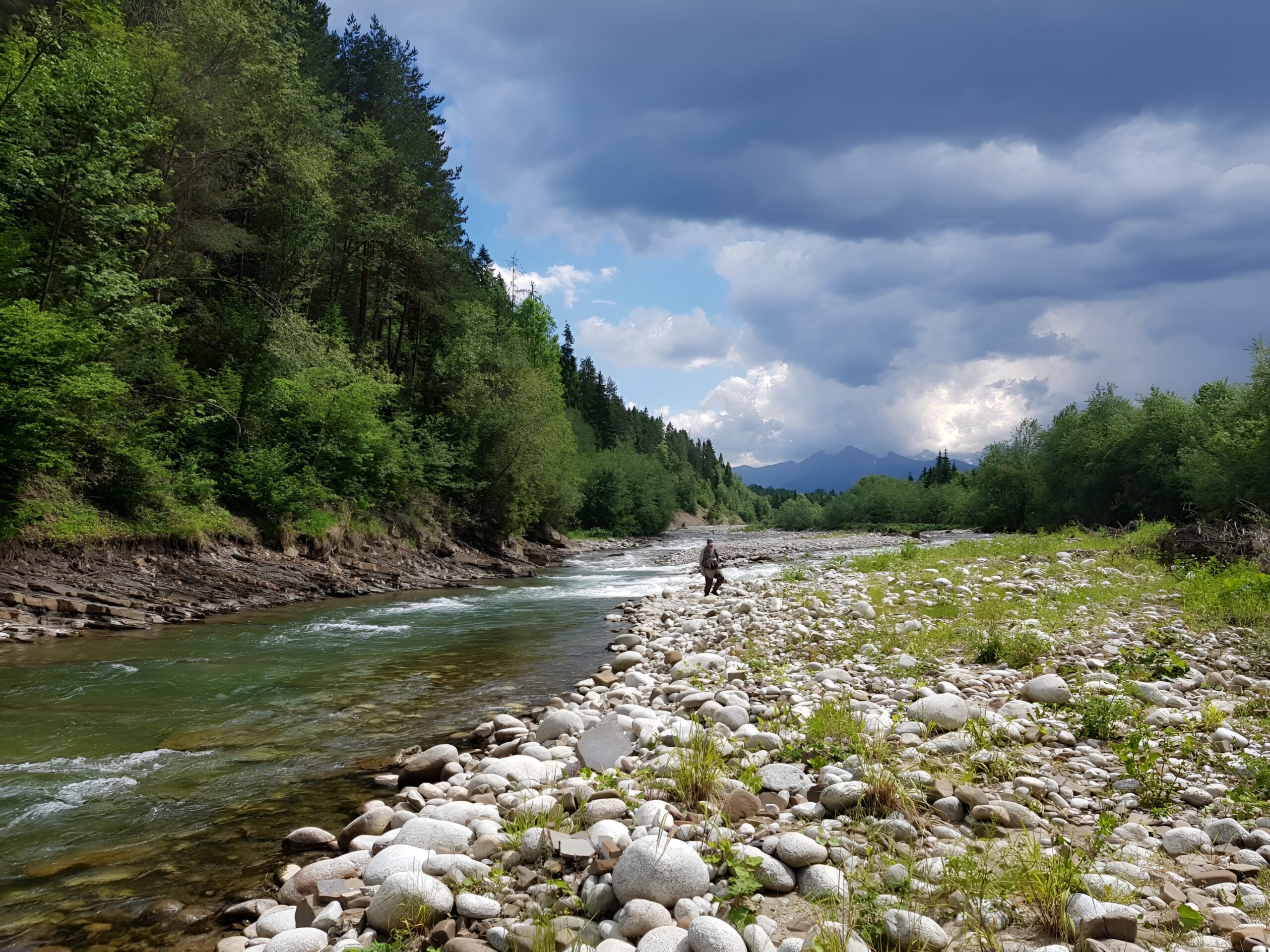
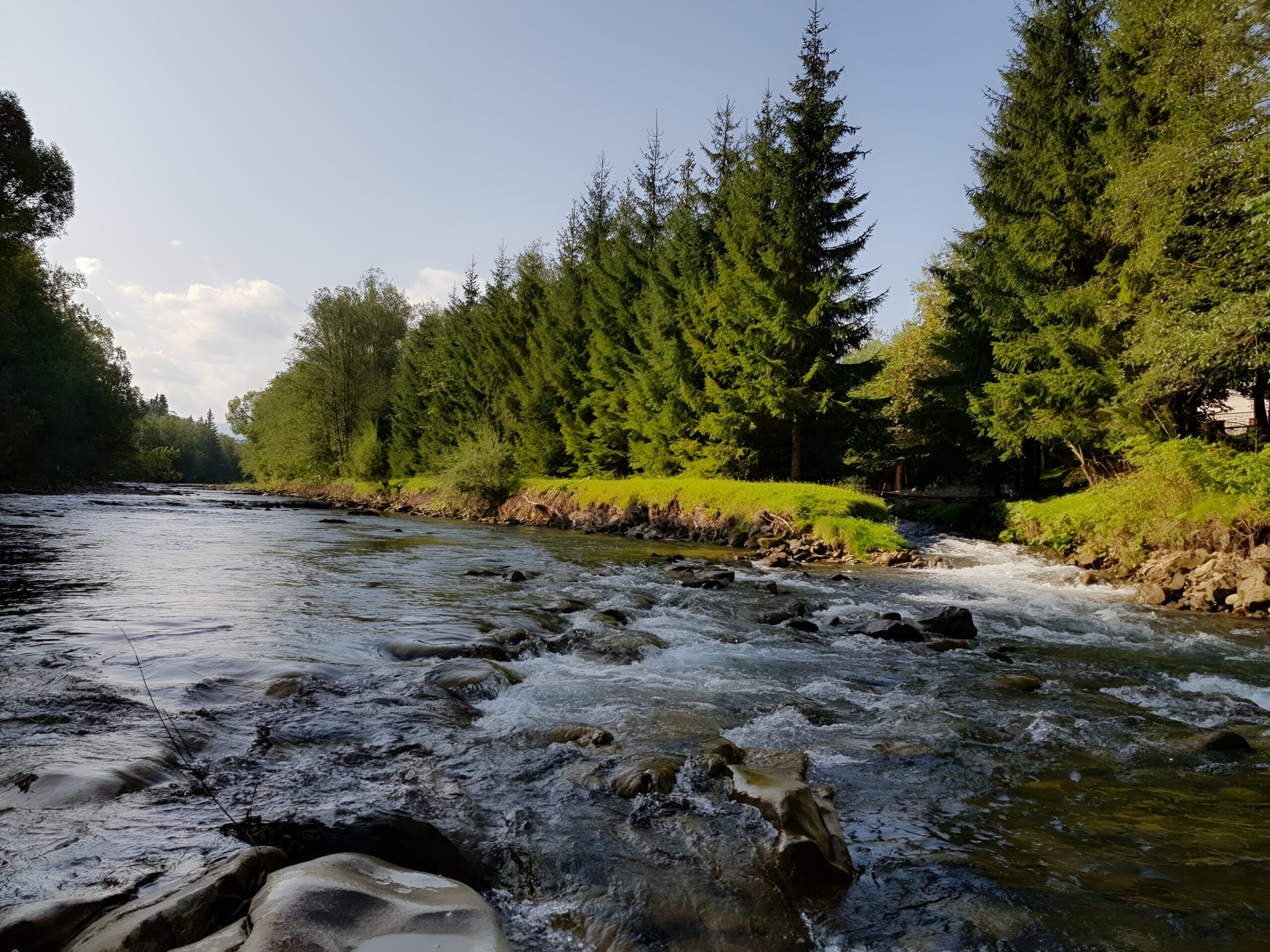
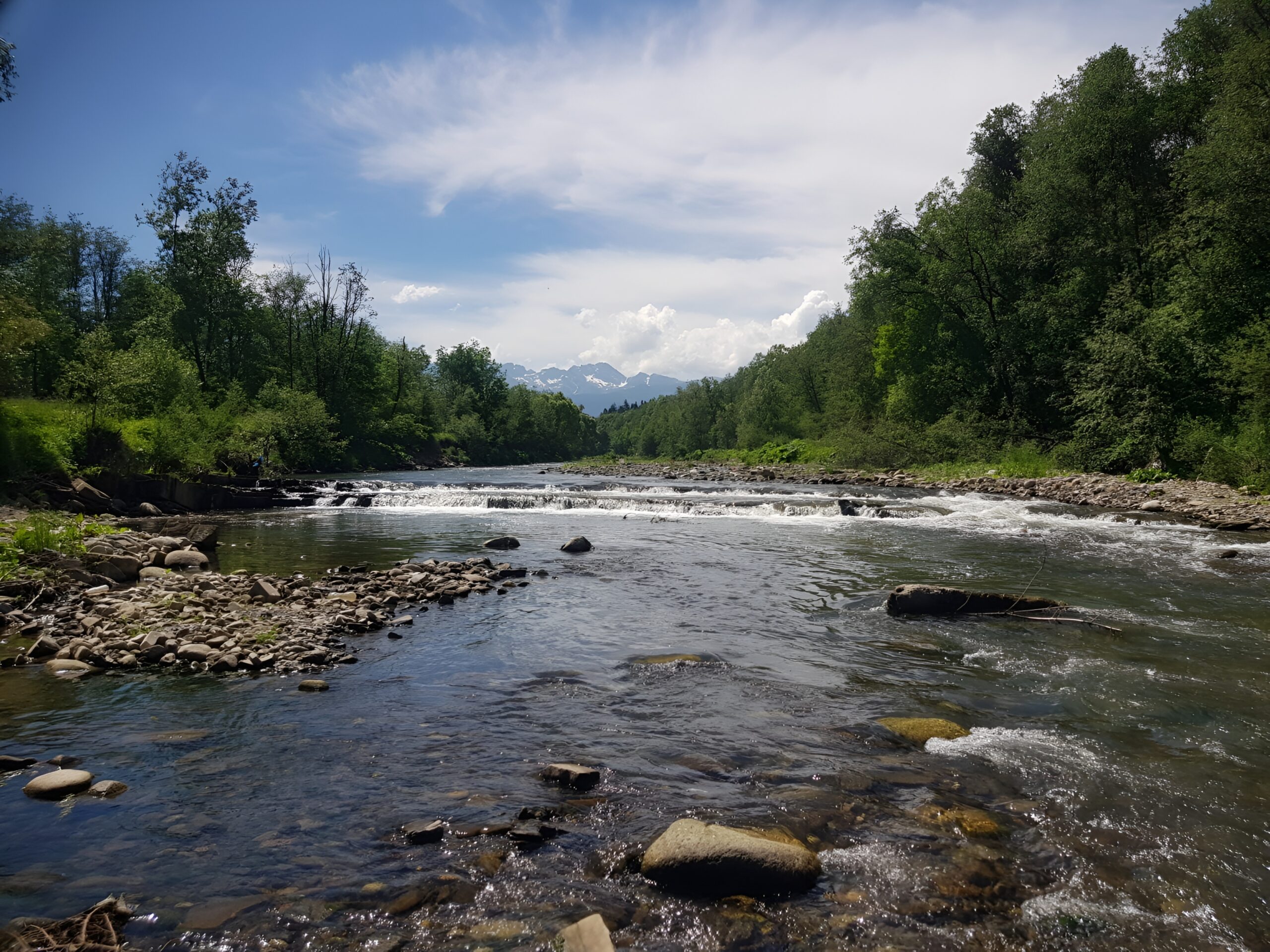
In the river, you will find Brown Trout, mighty Hucho Hucho, Barbel, Nase fish and more.
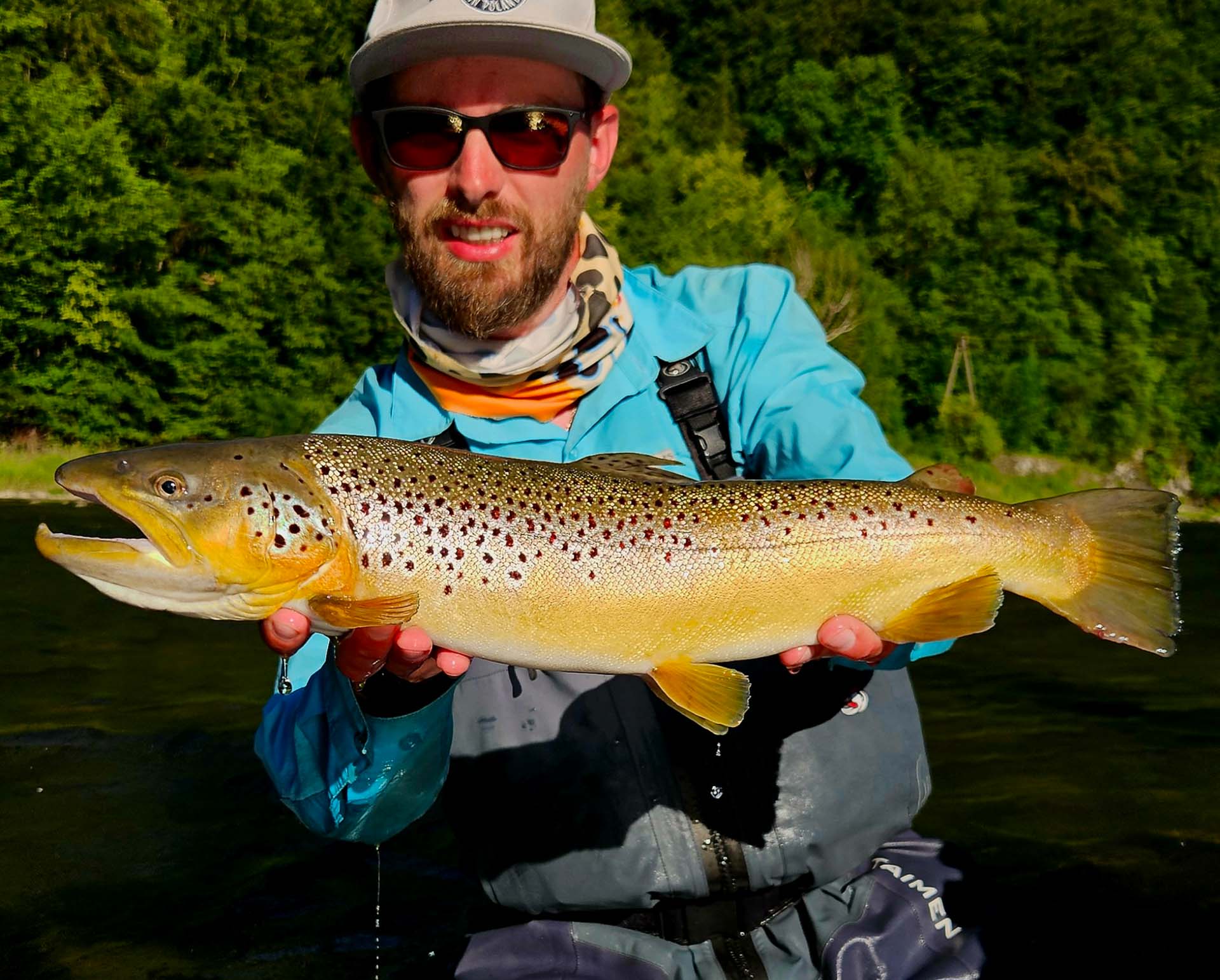
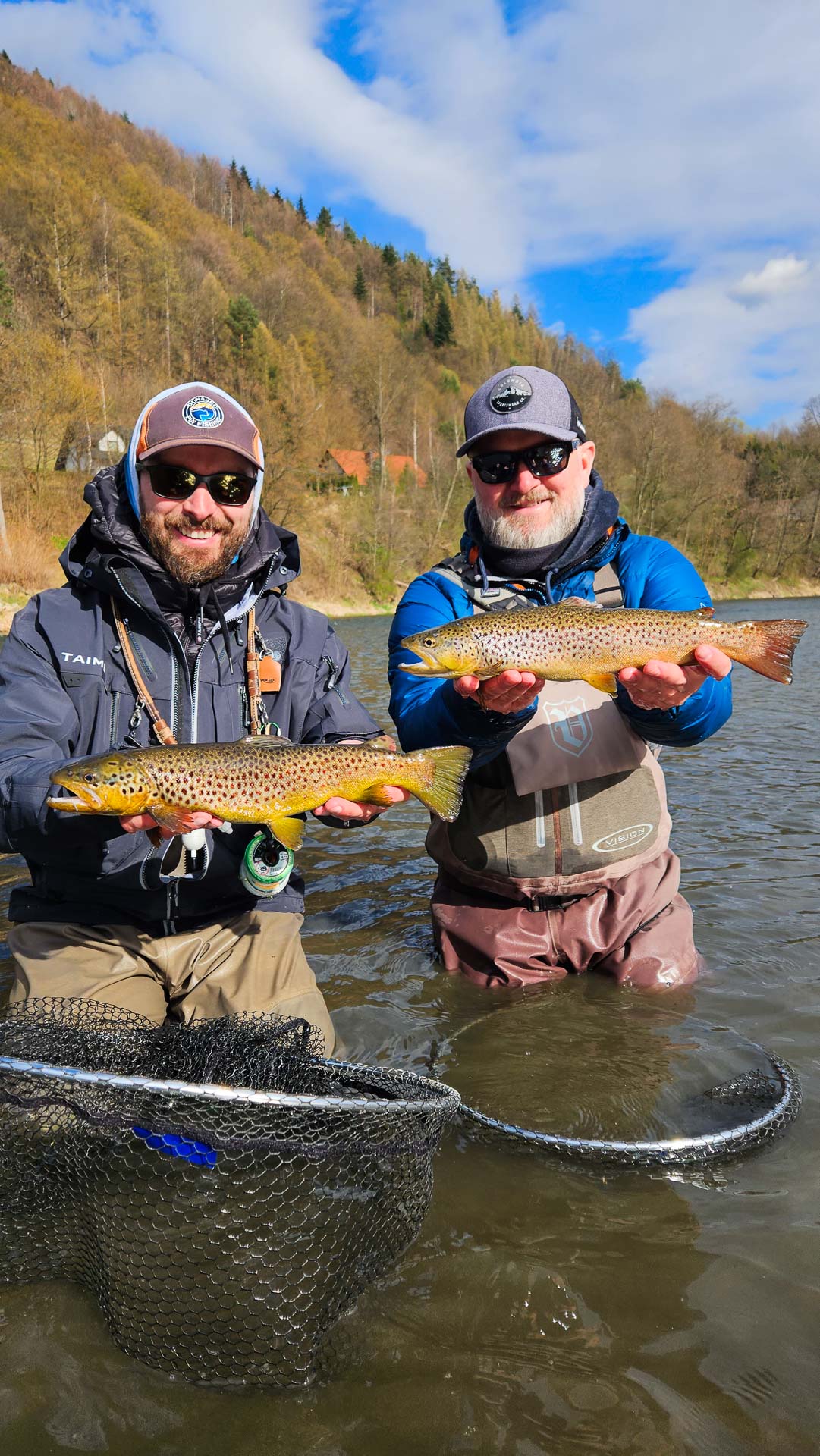
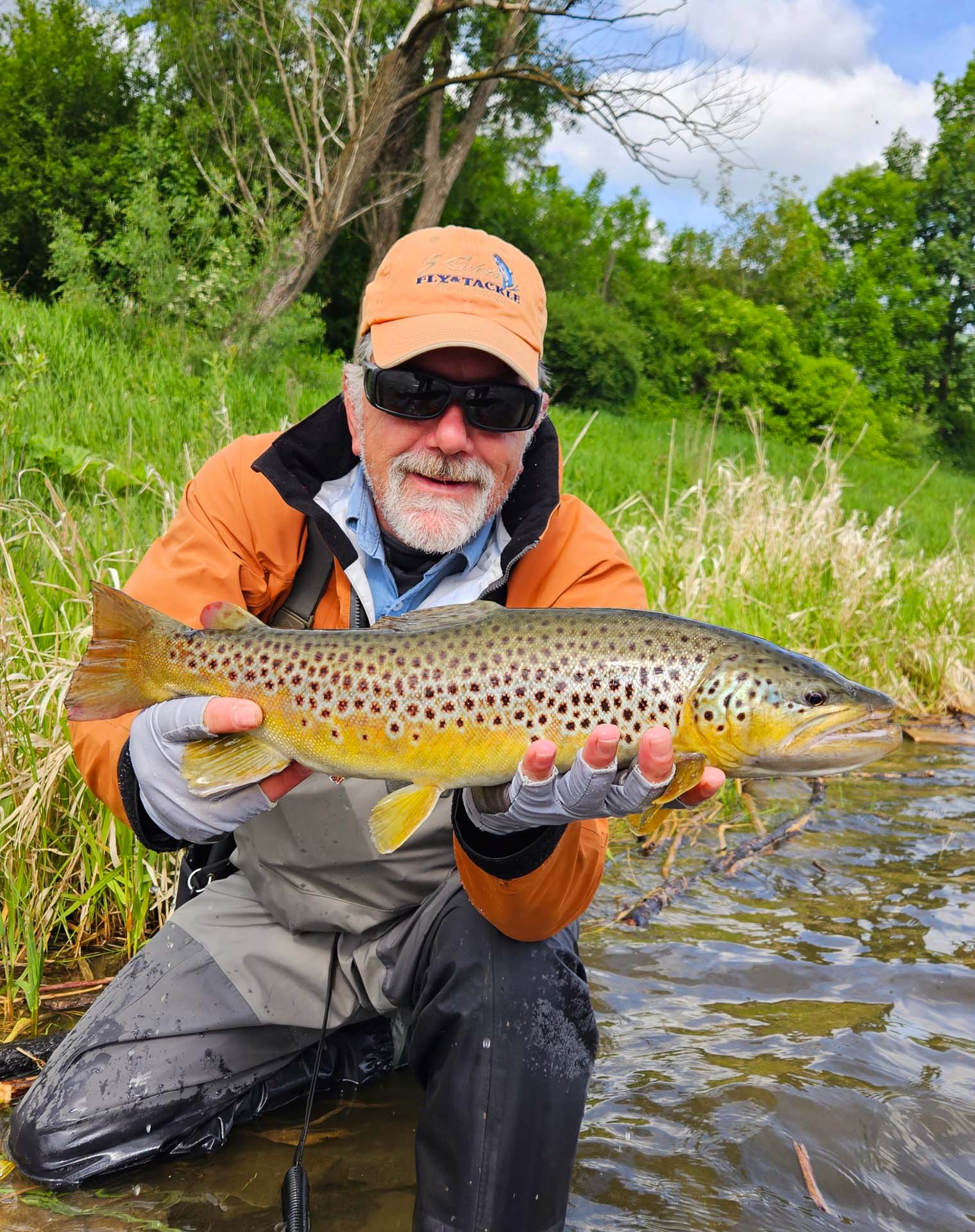
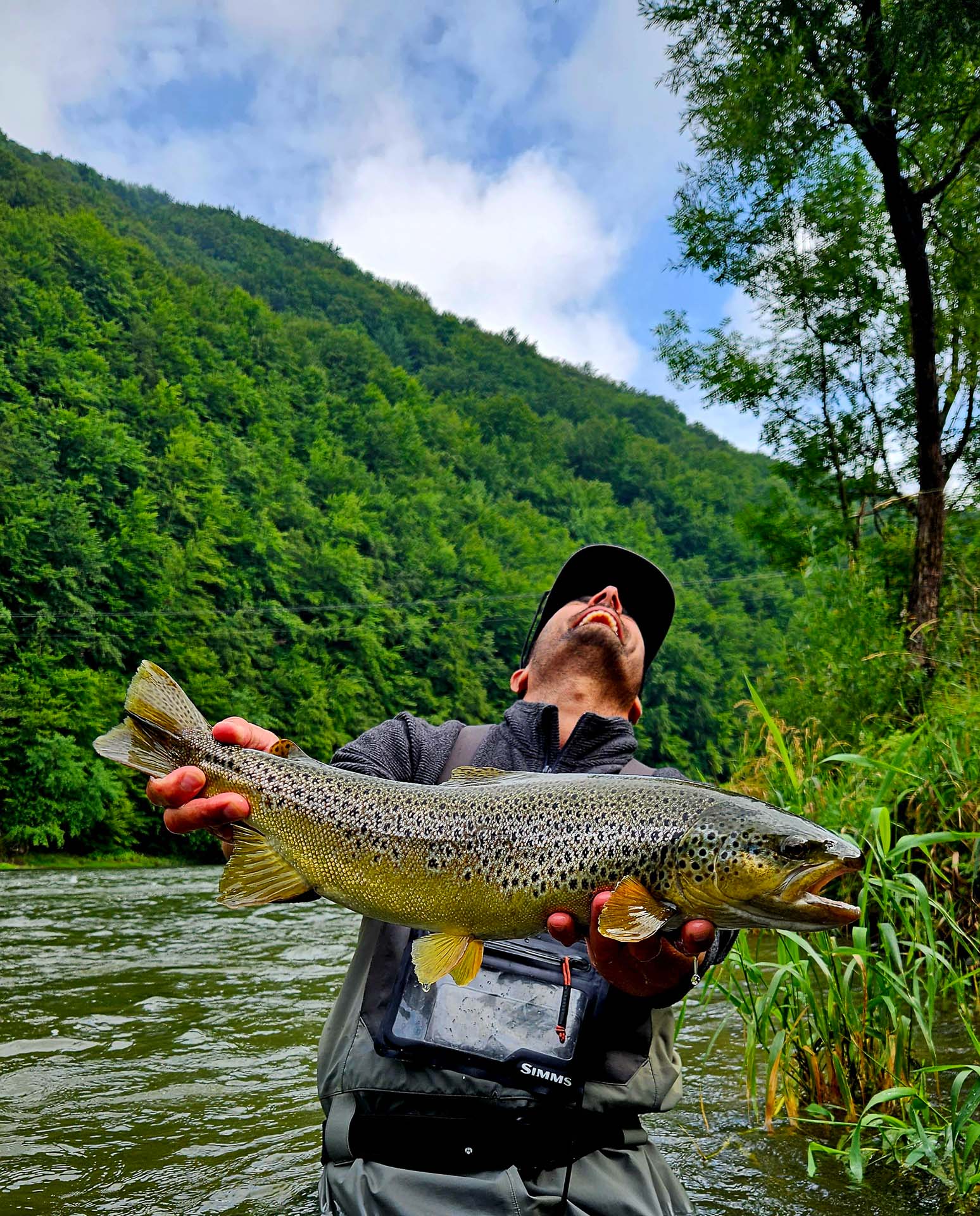
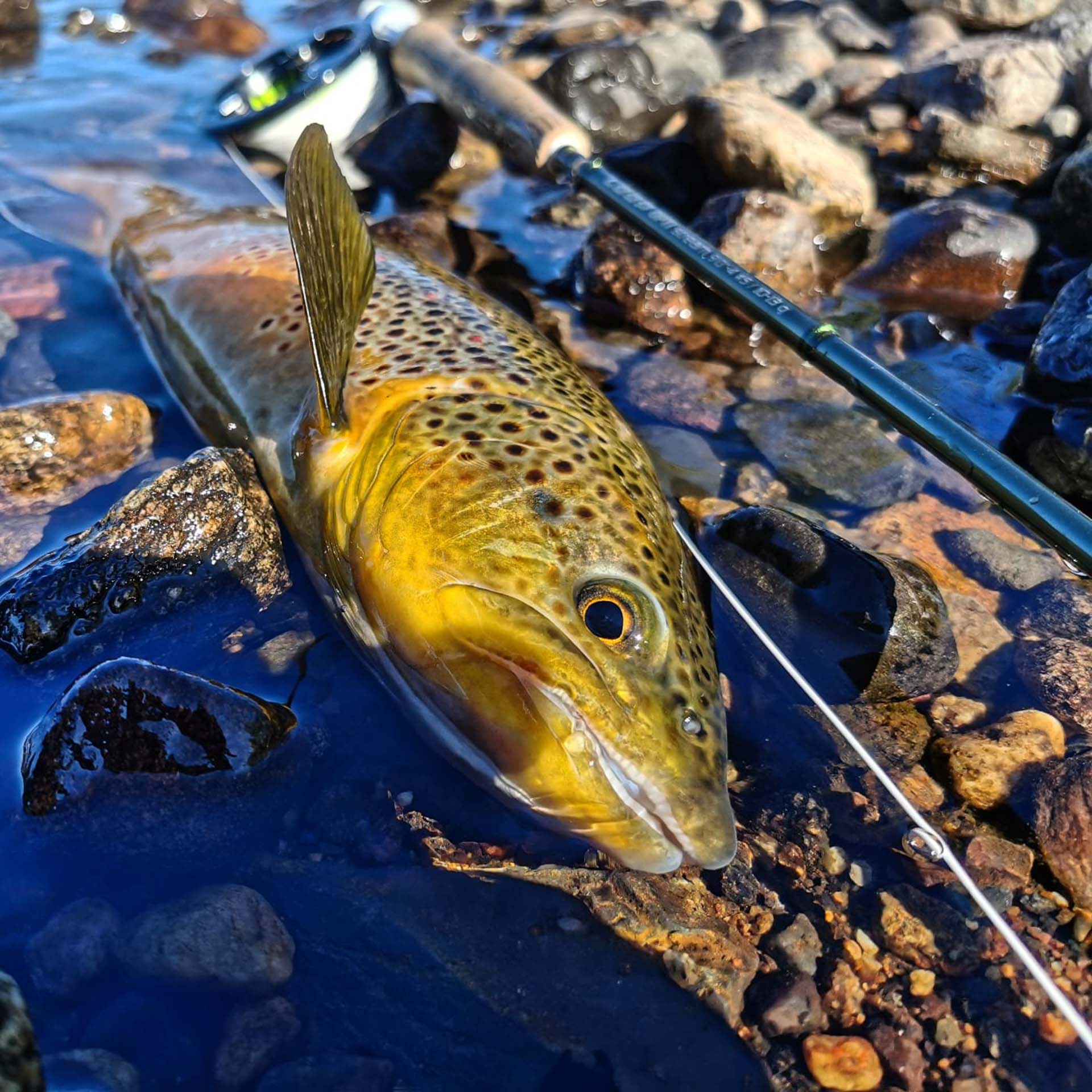
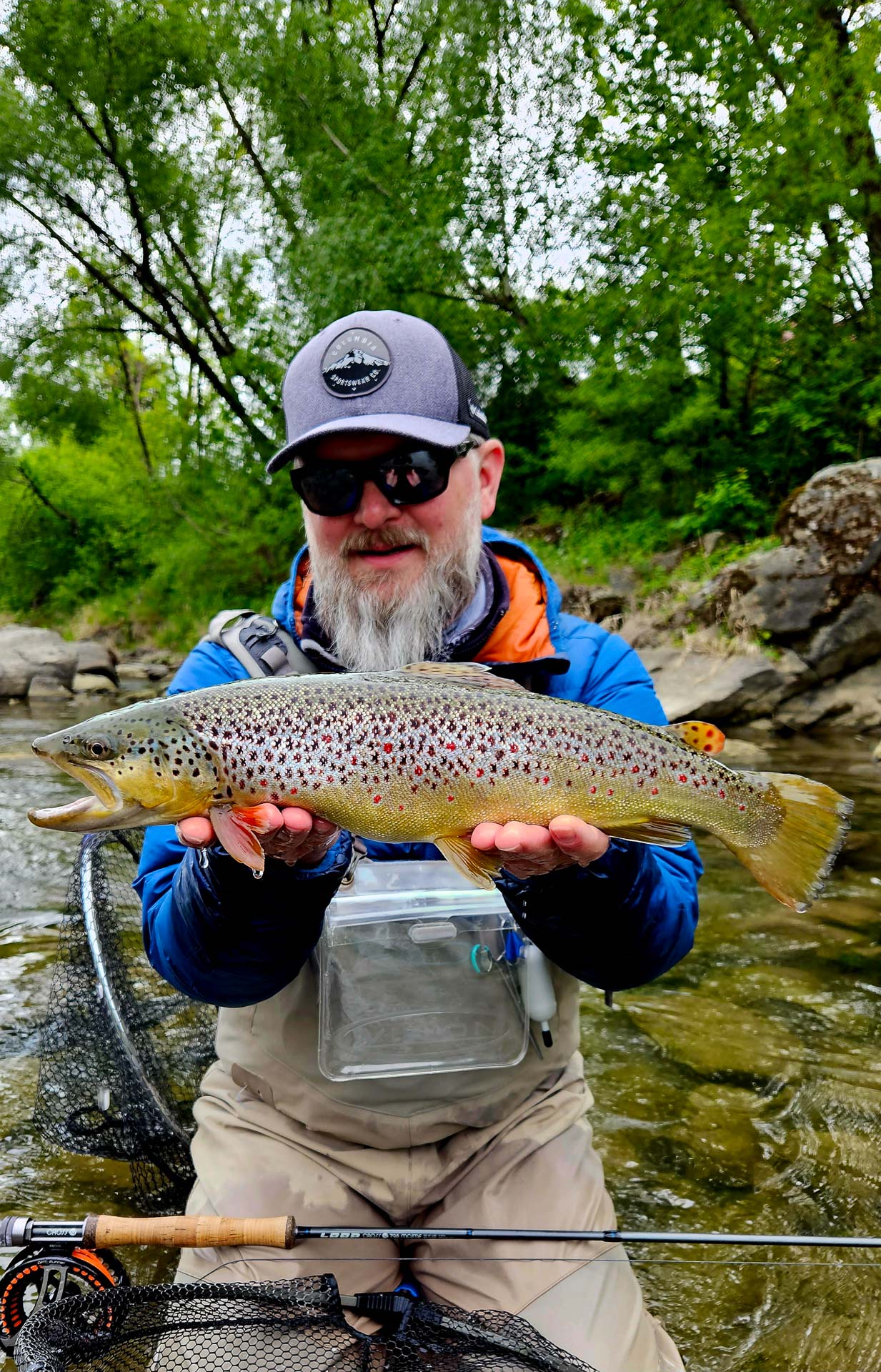
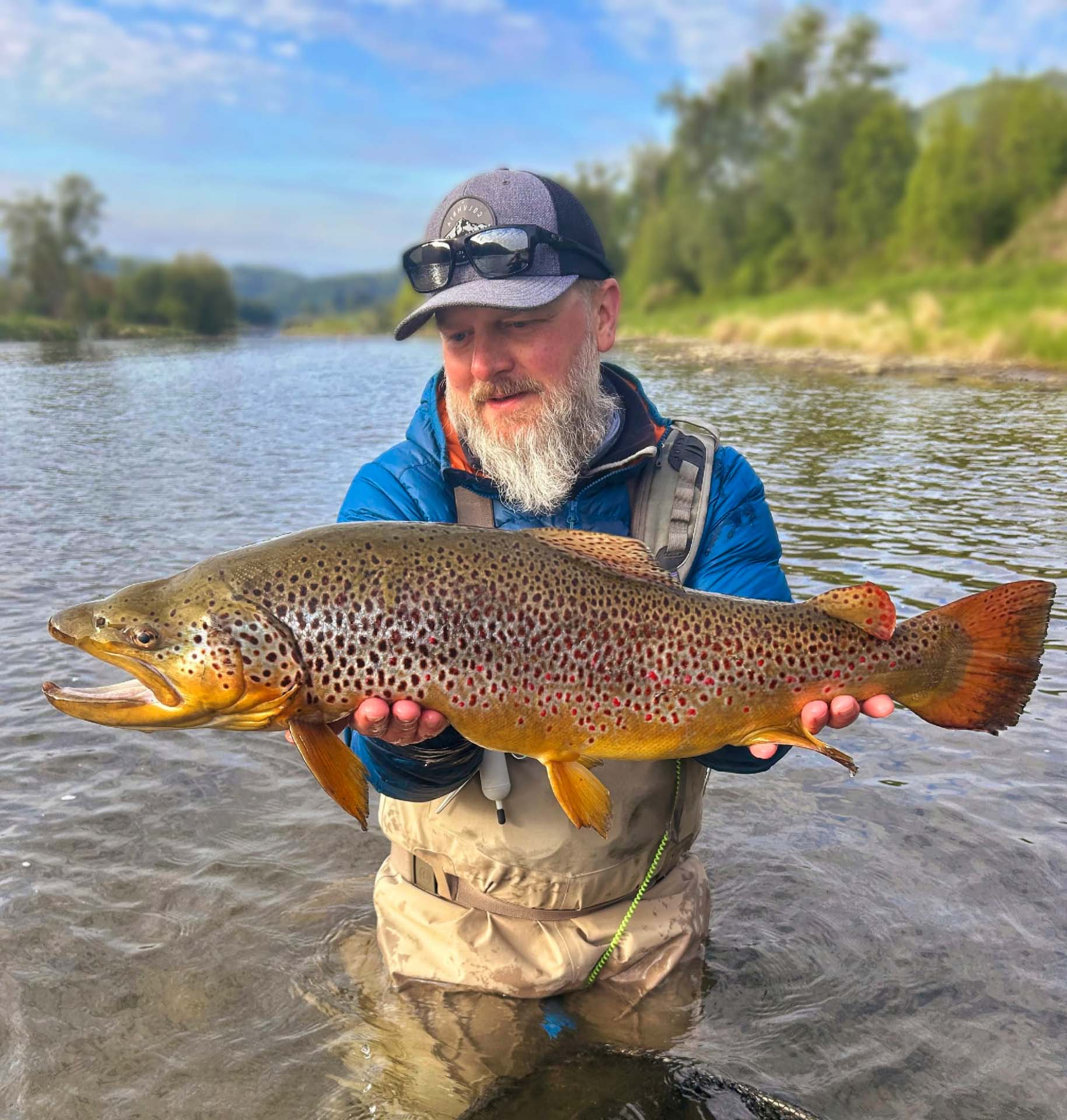
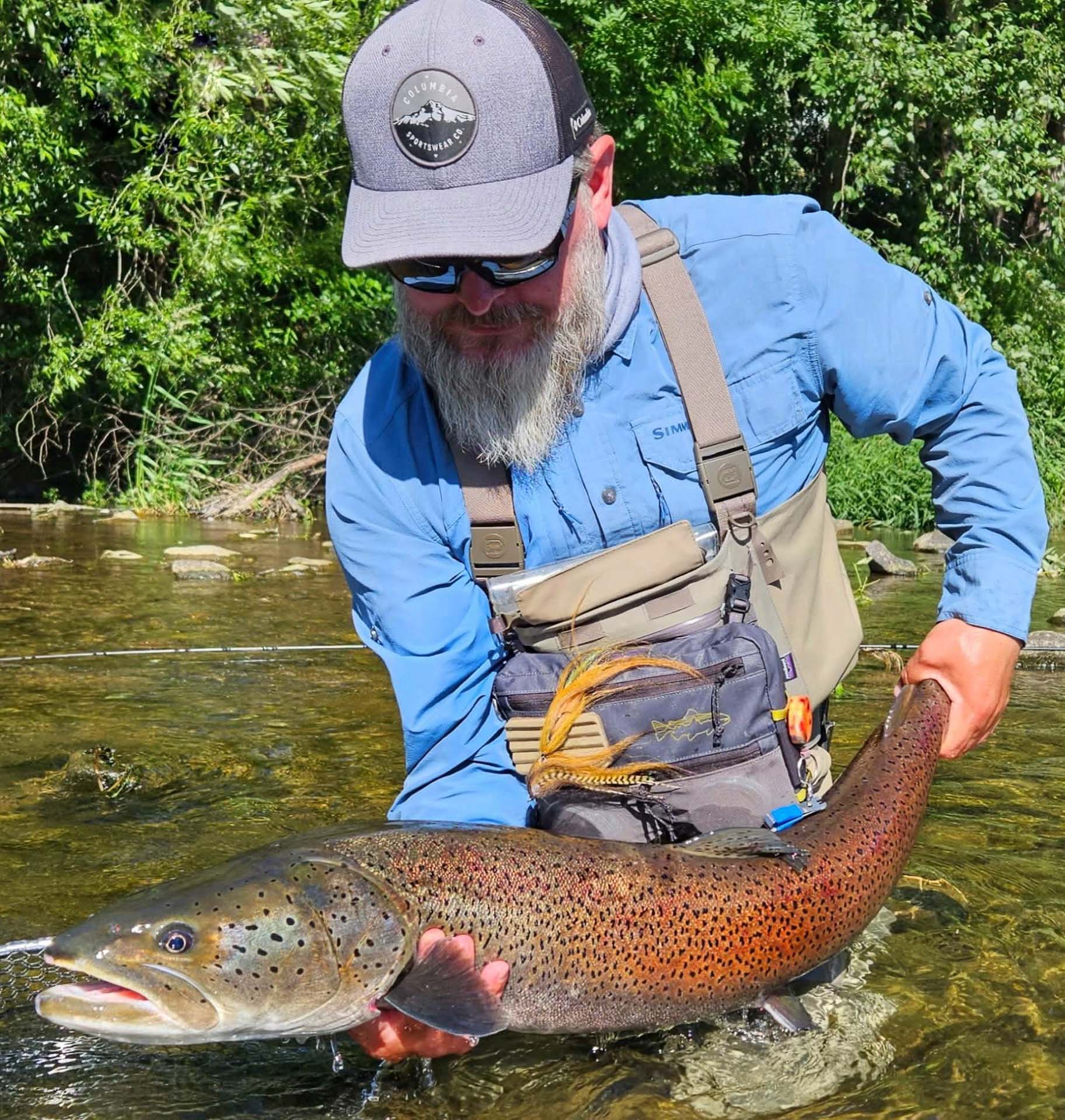
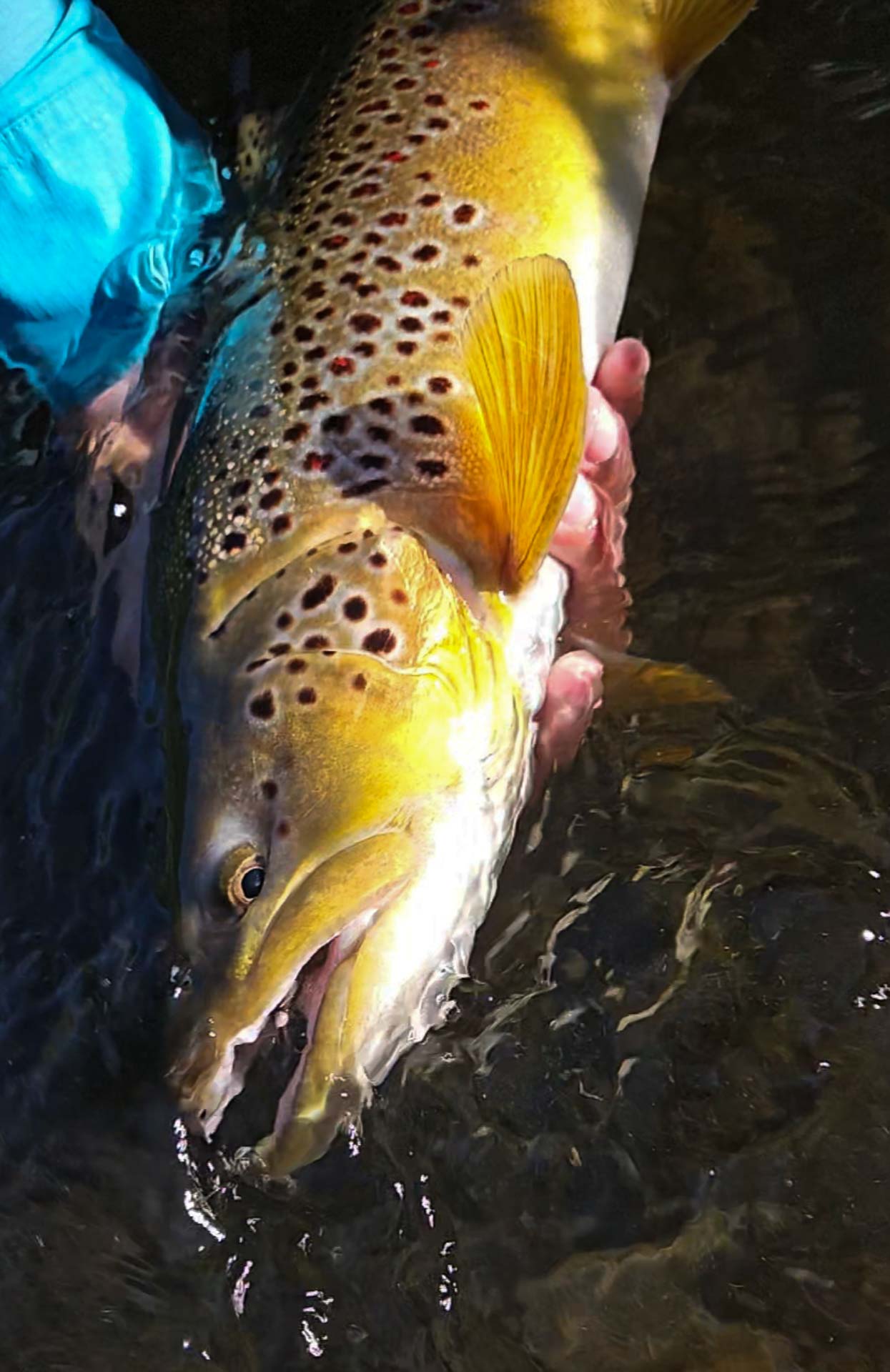
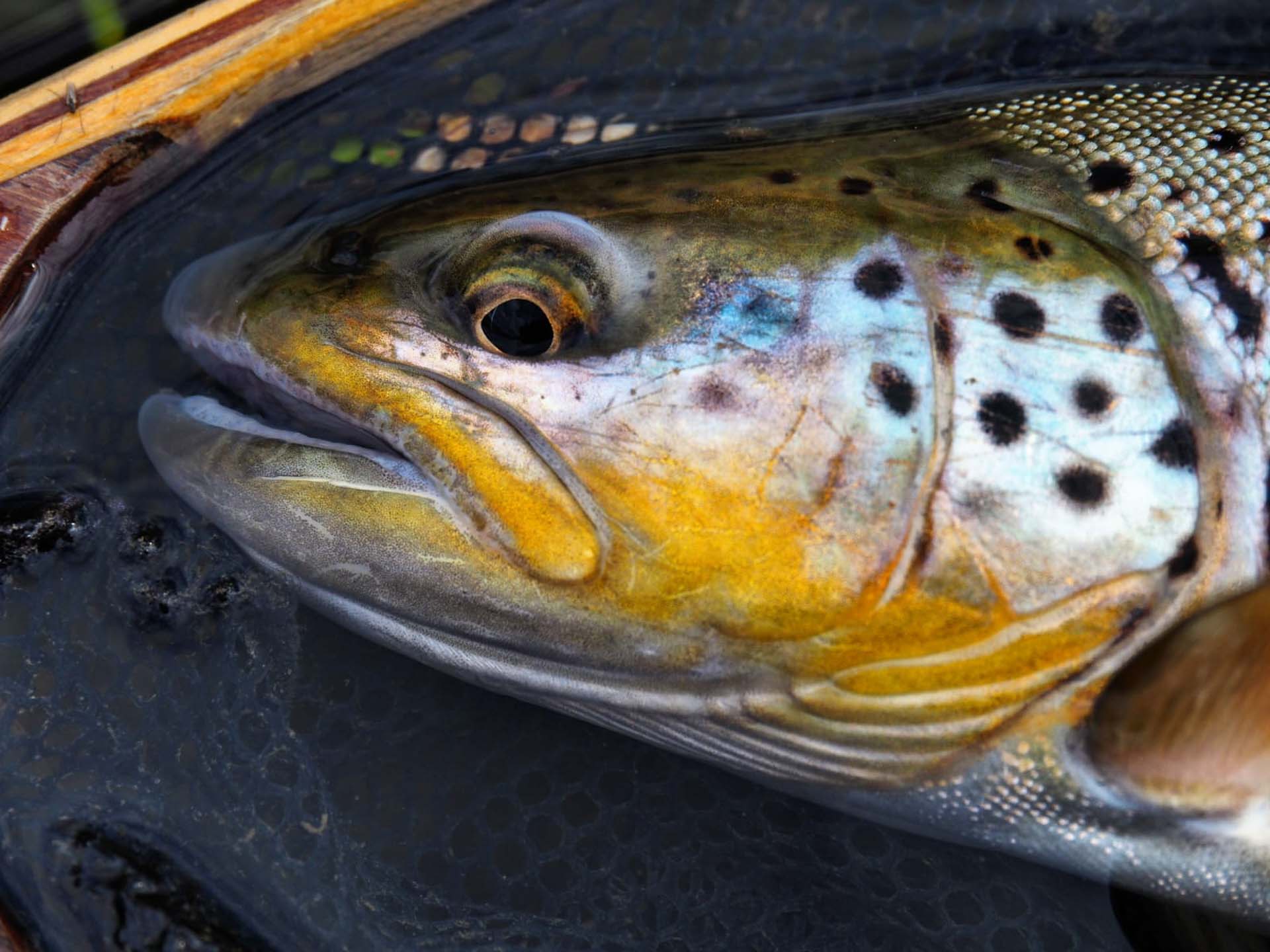
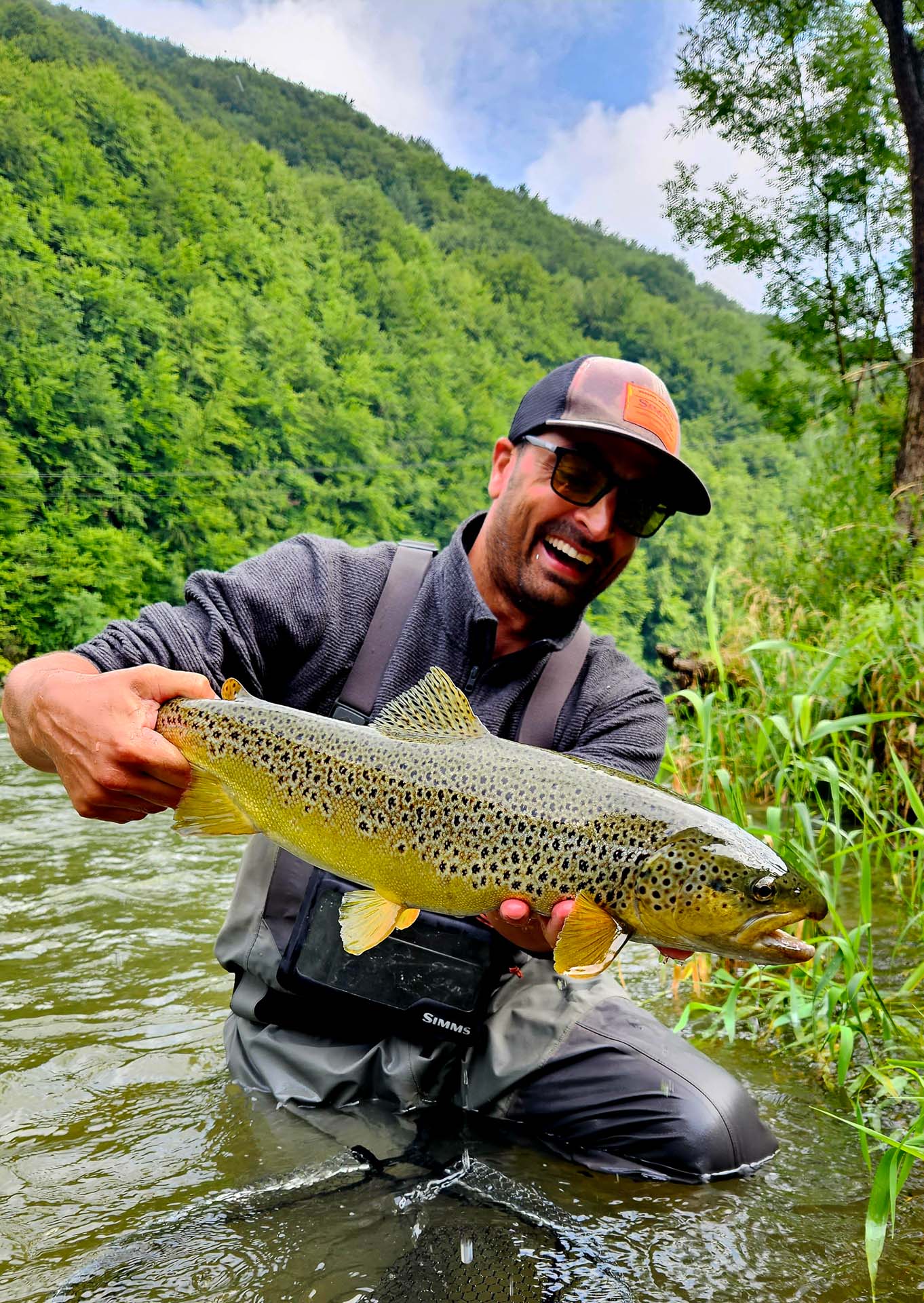
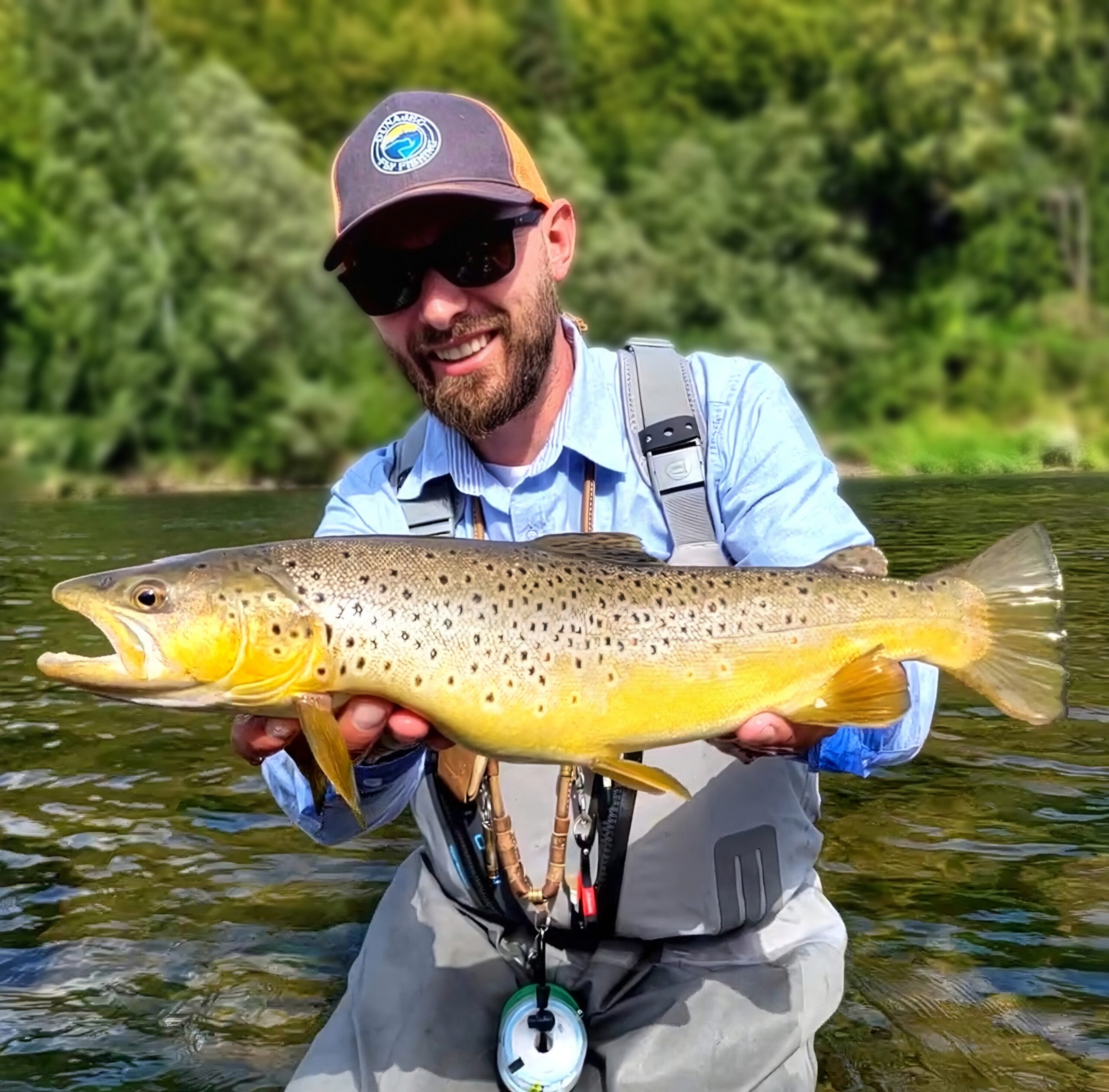
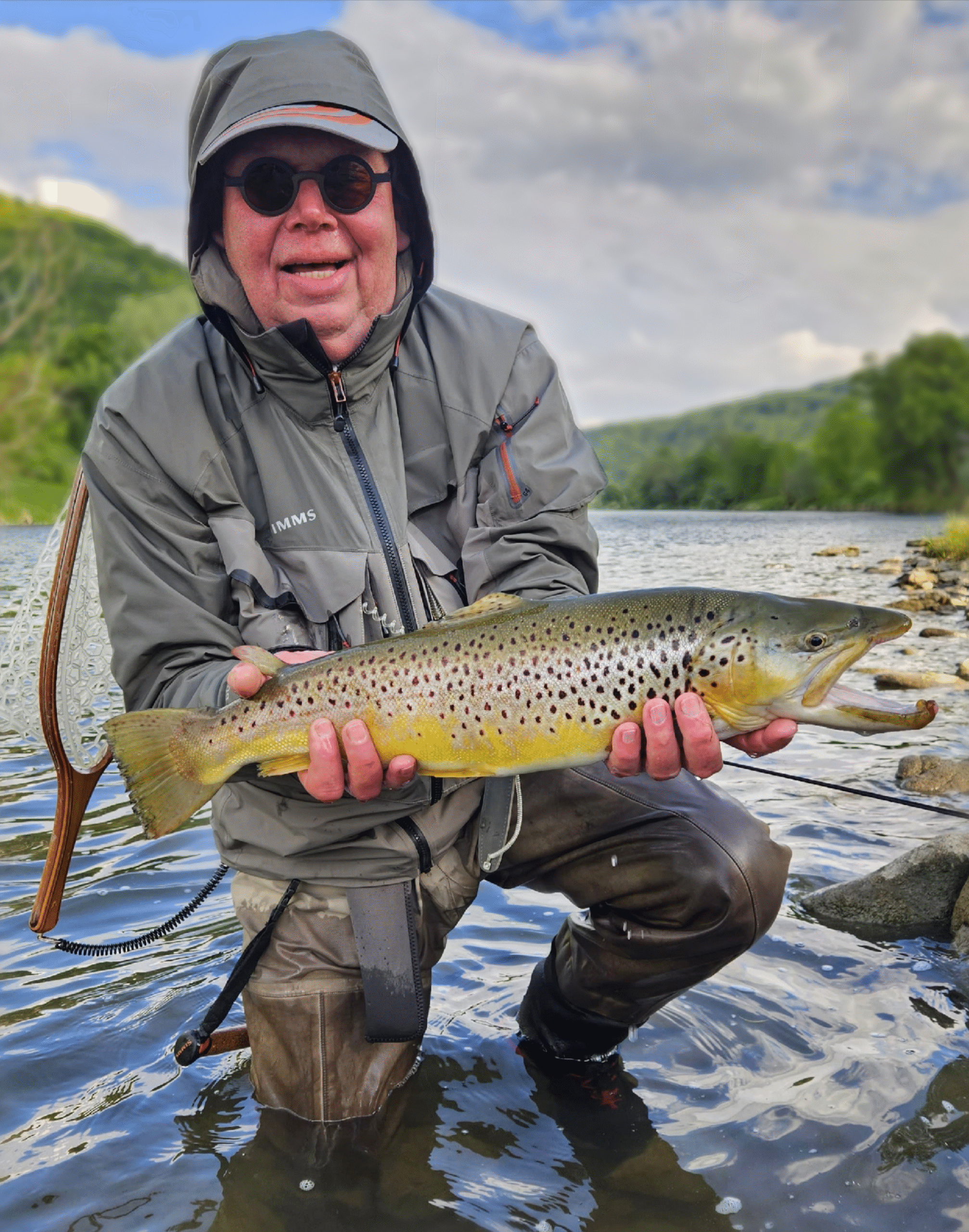
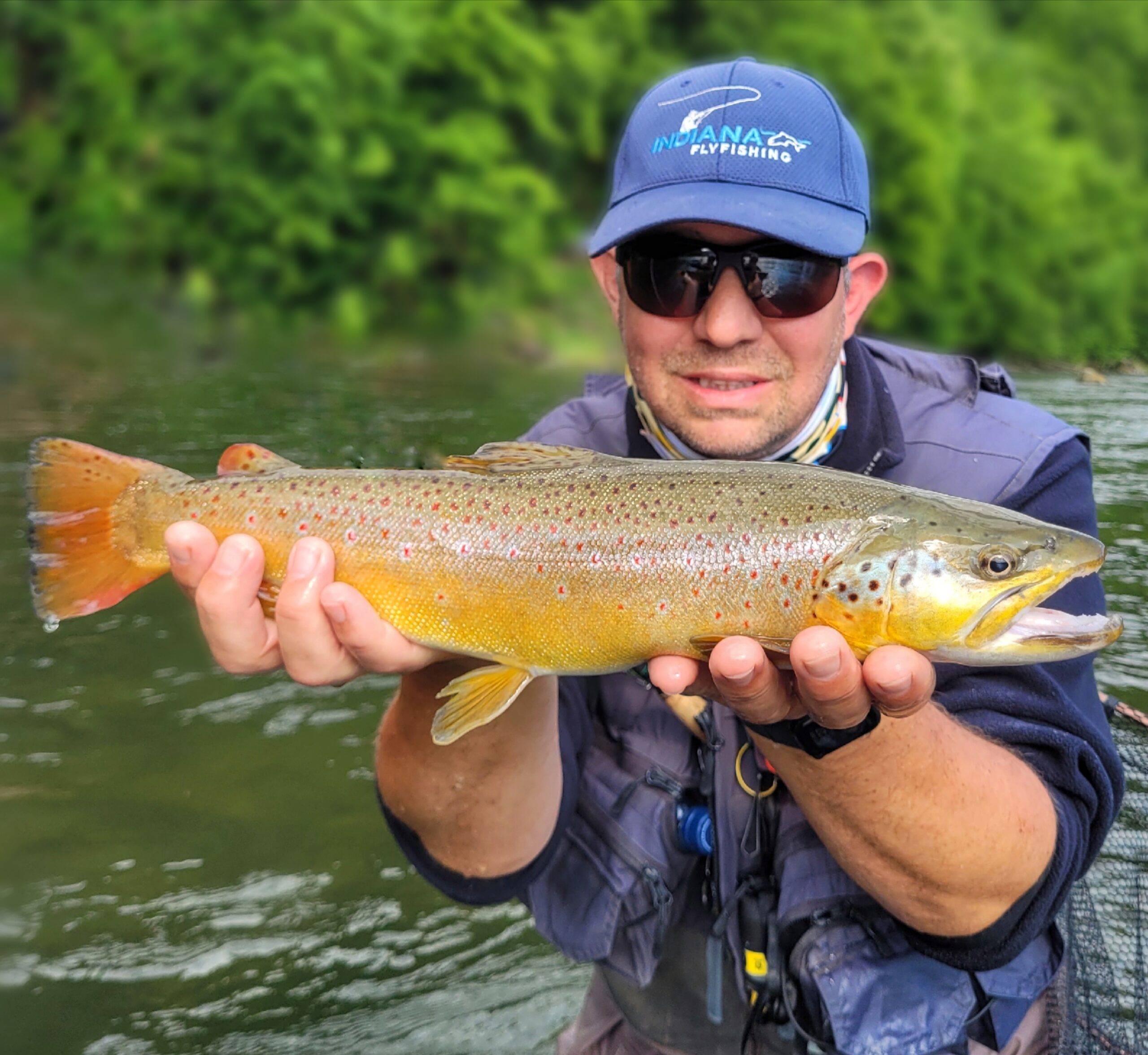
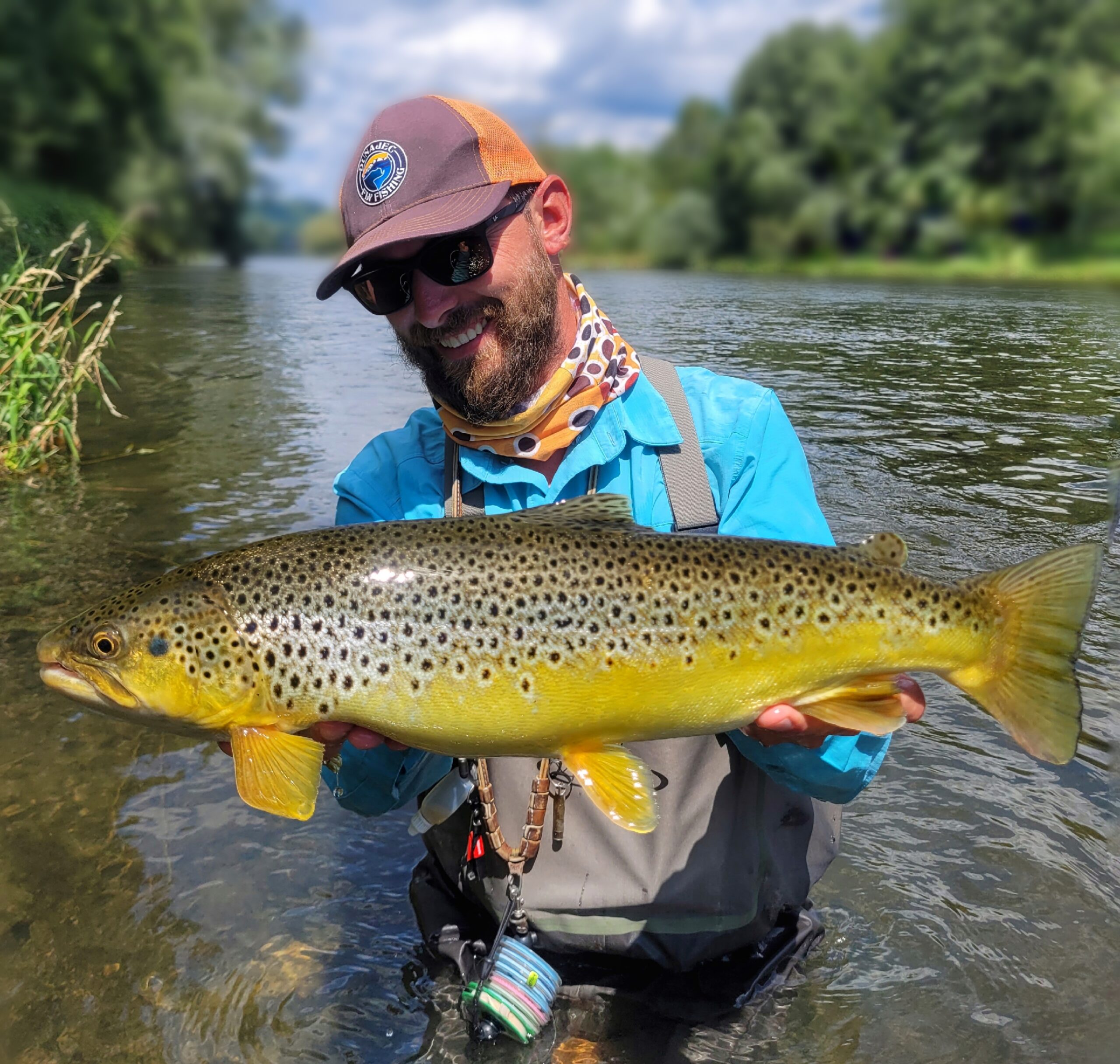
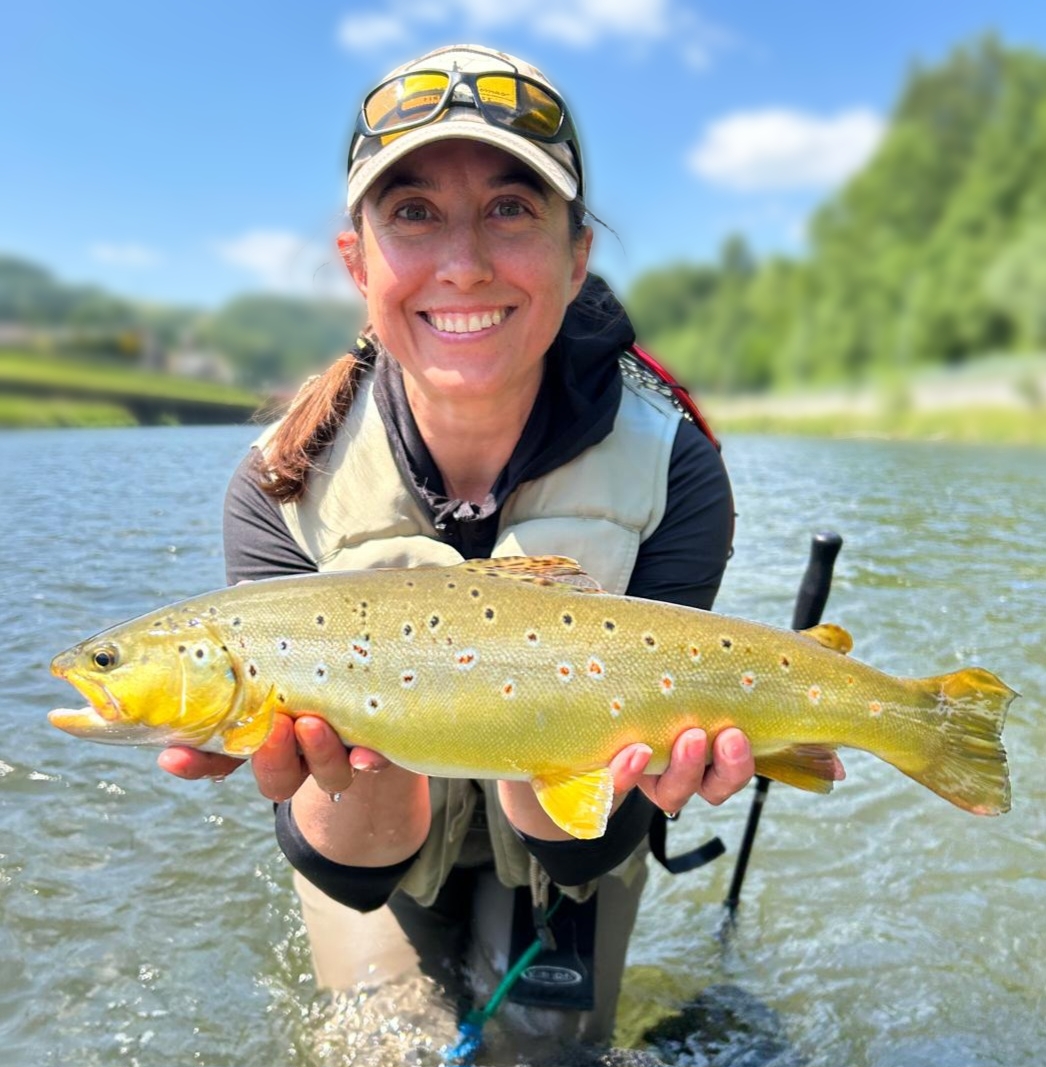
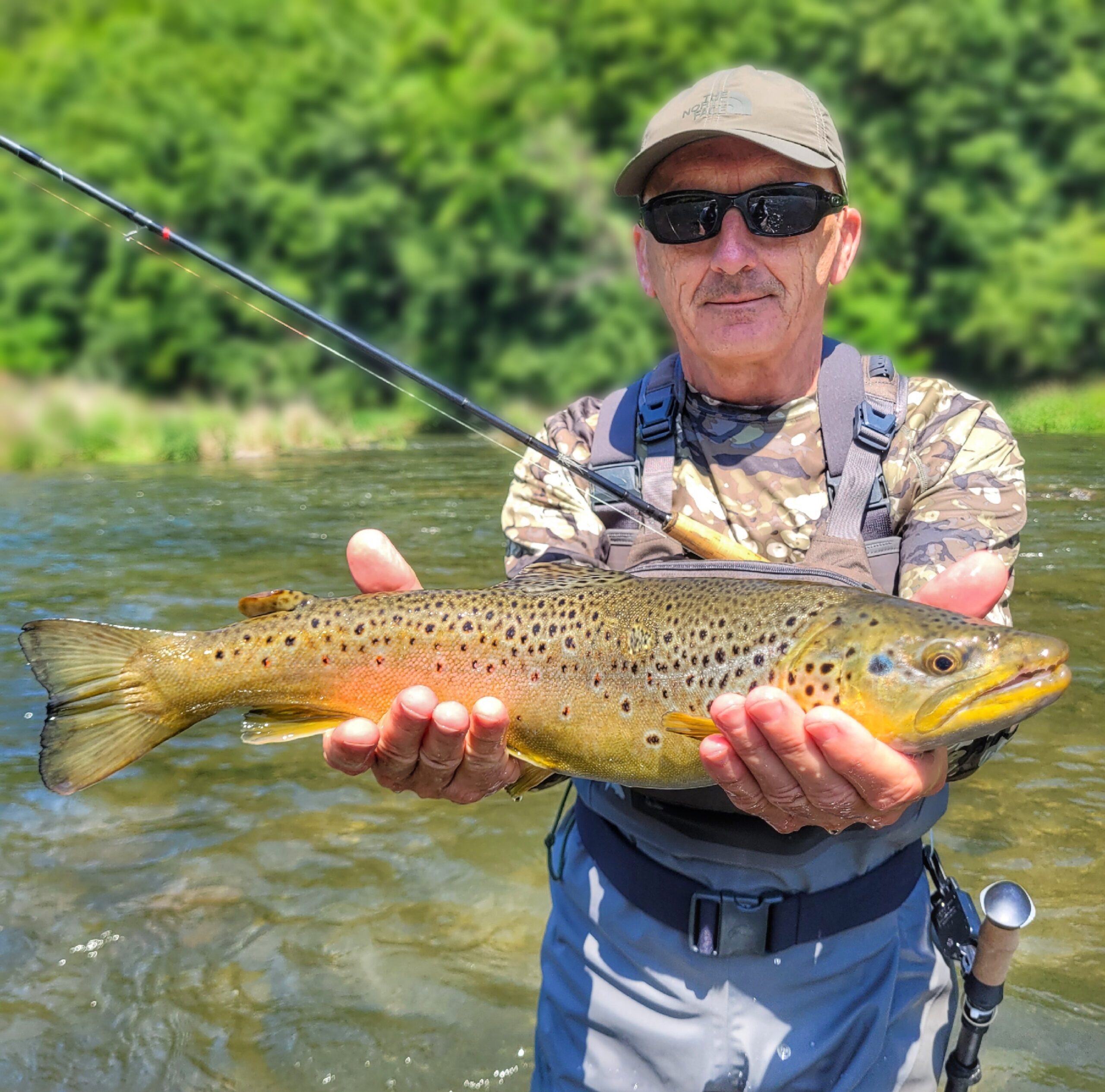
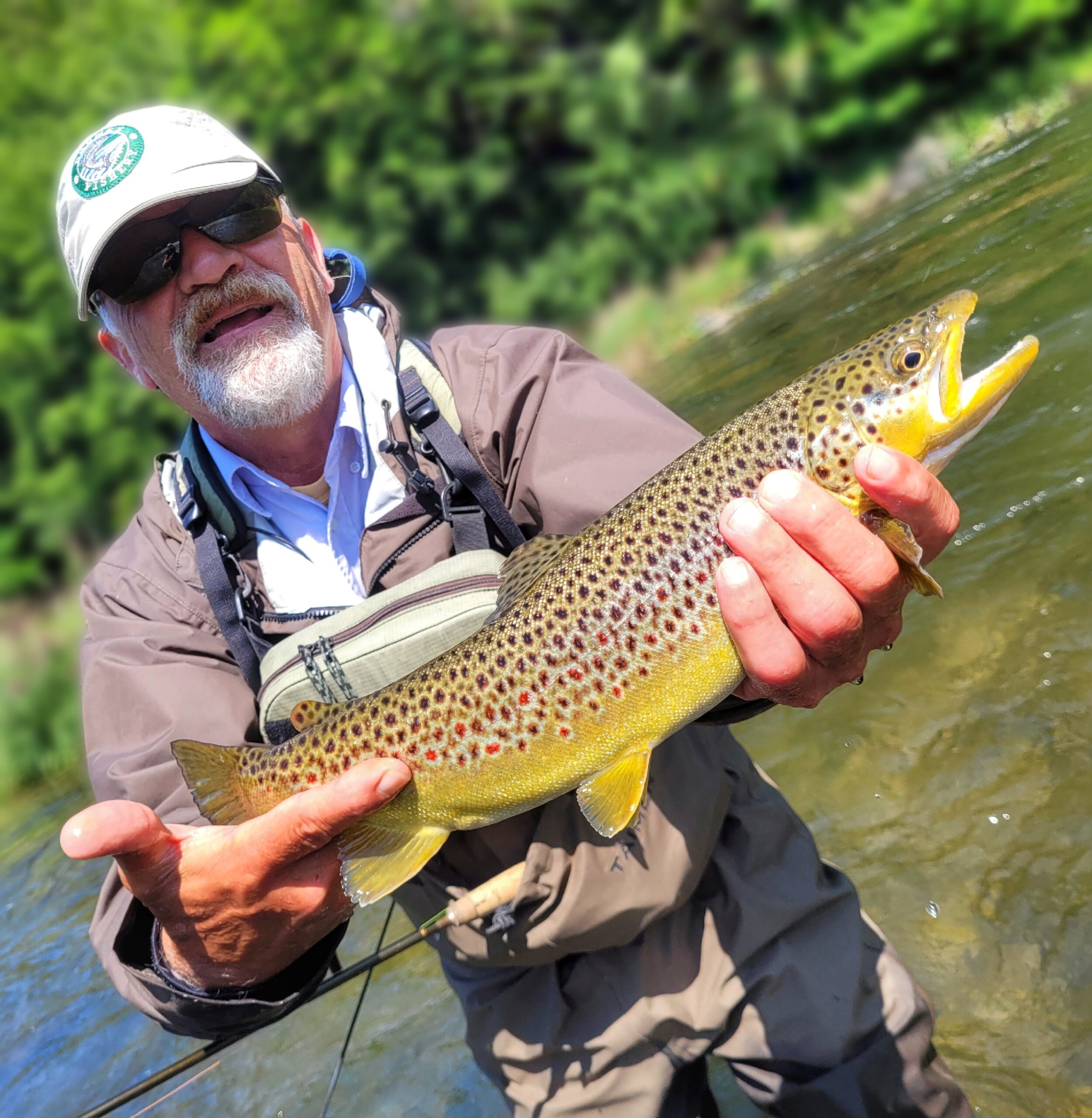
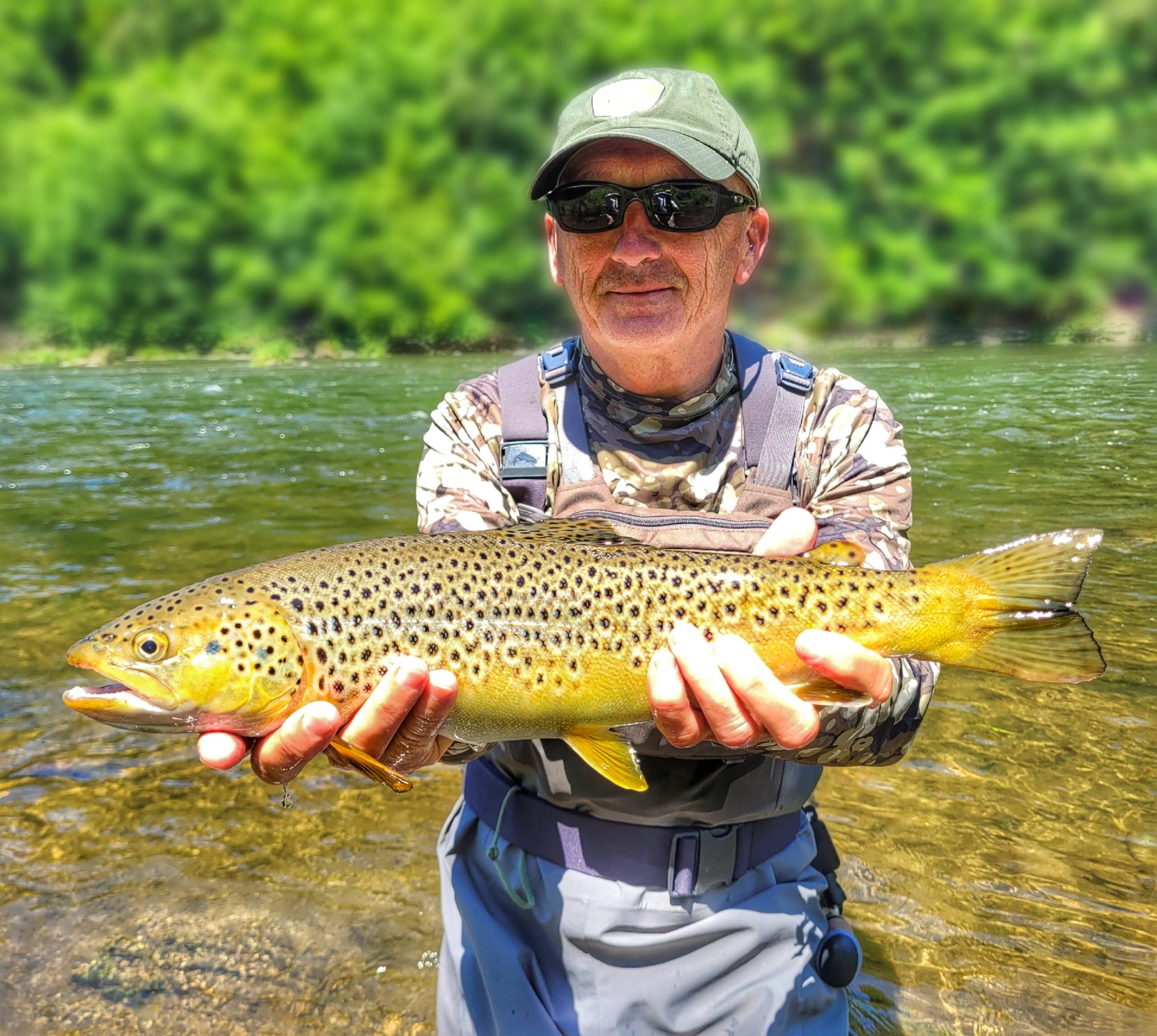
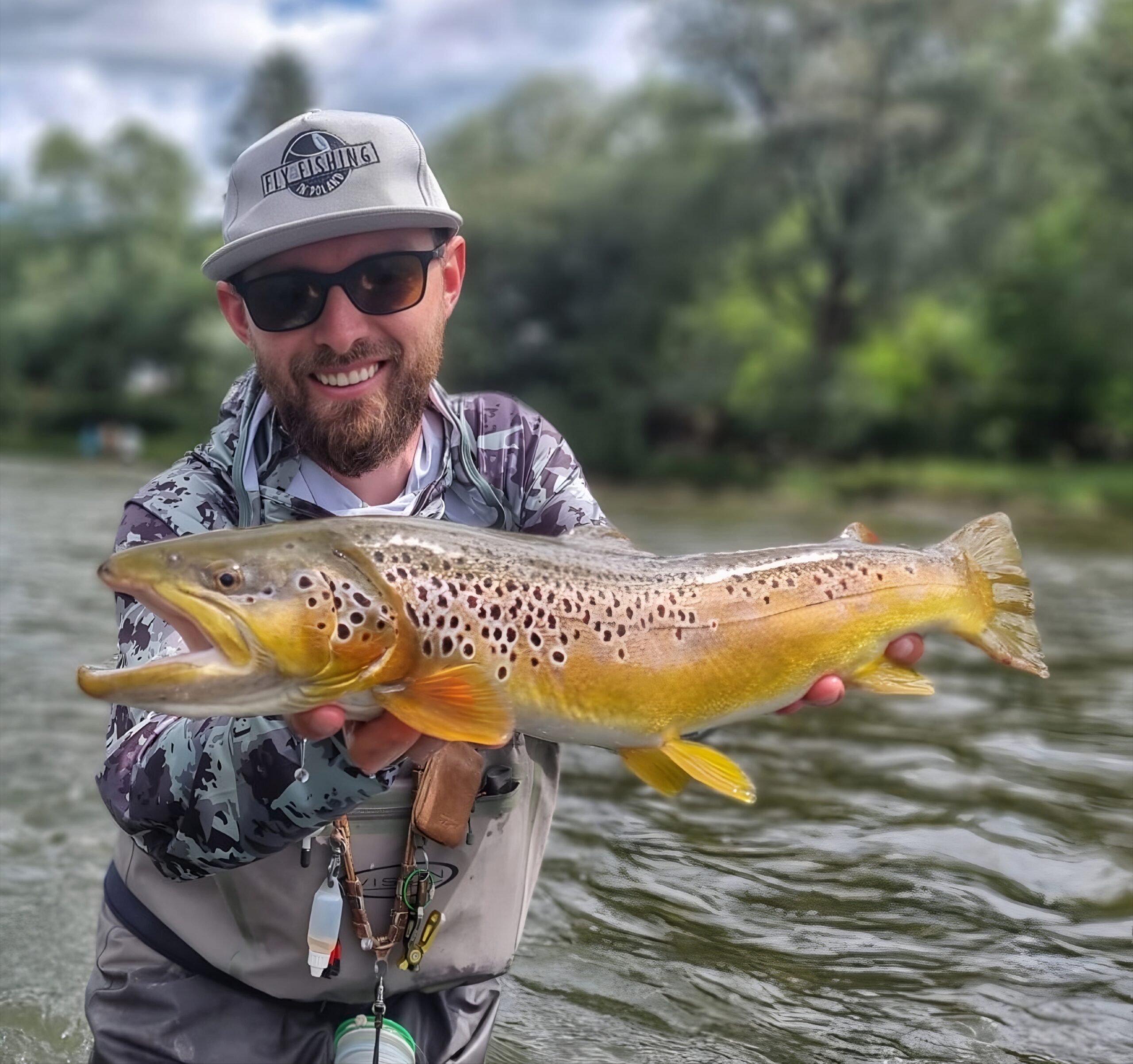
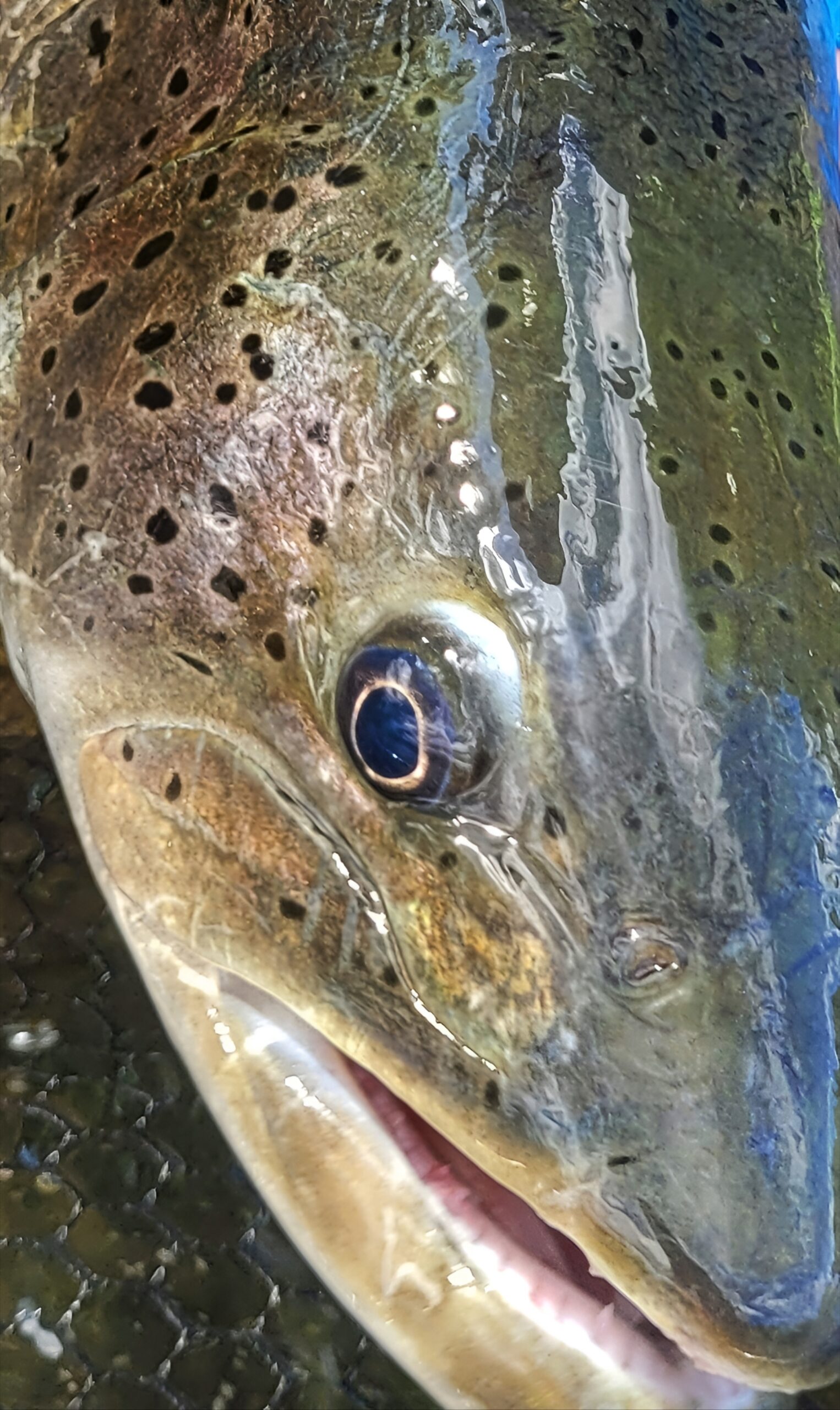
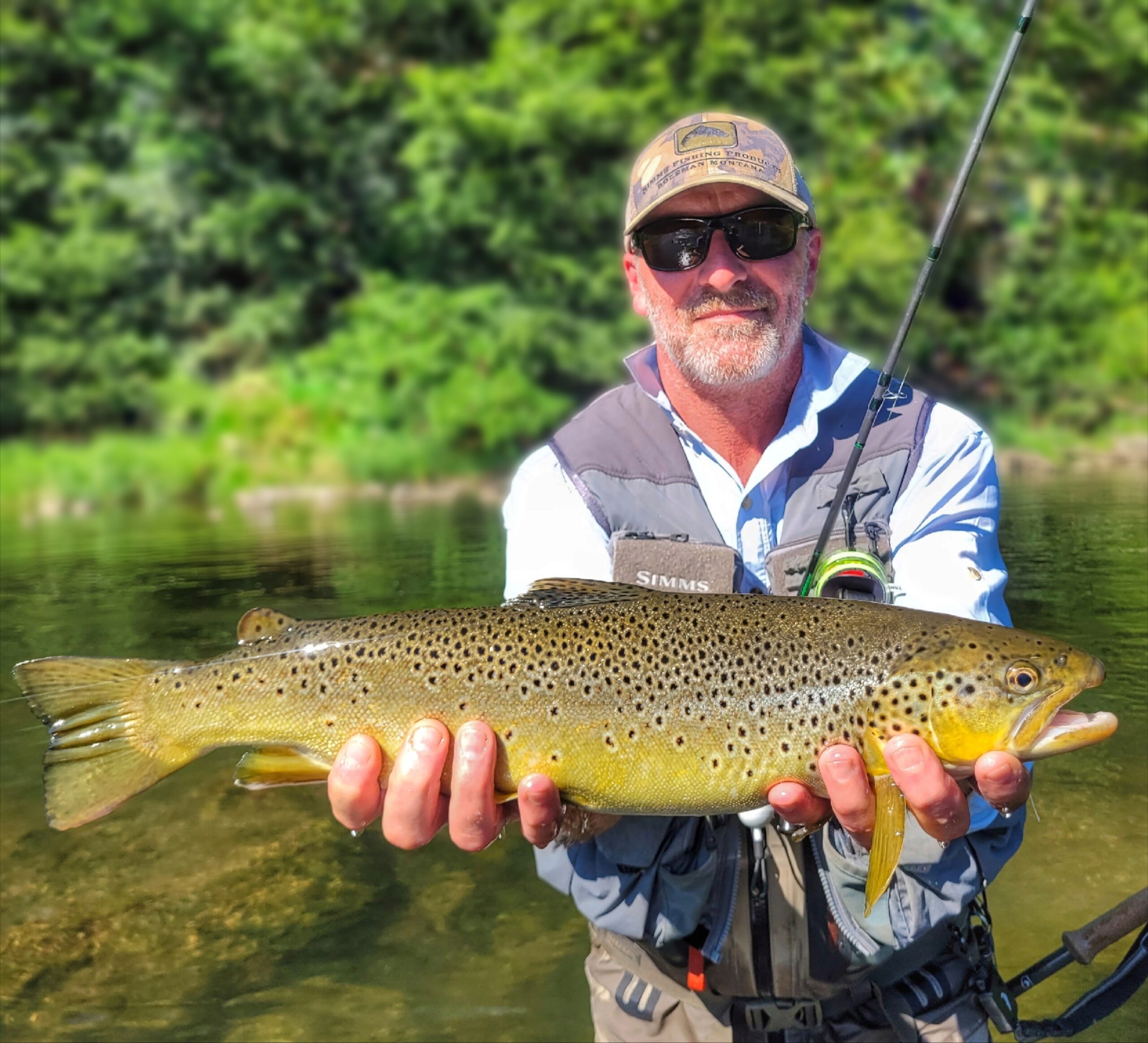
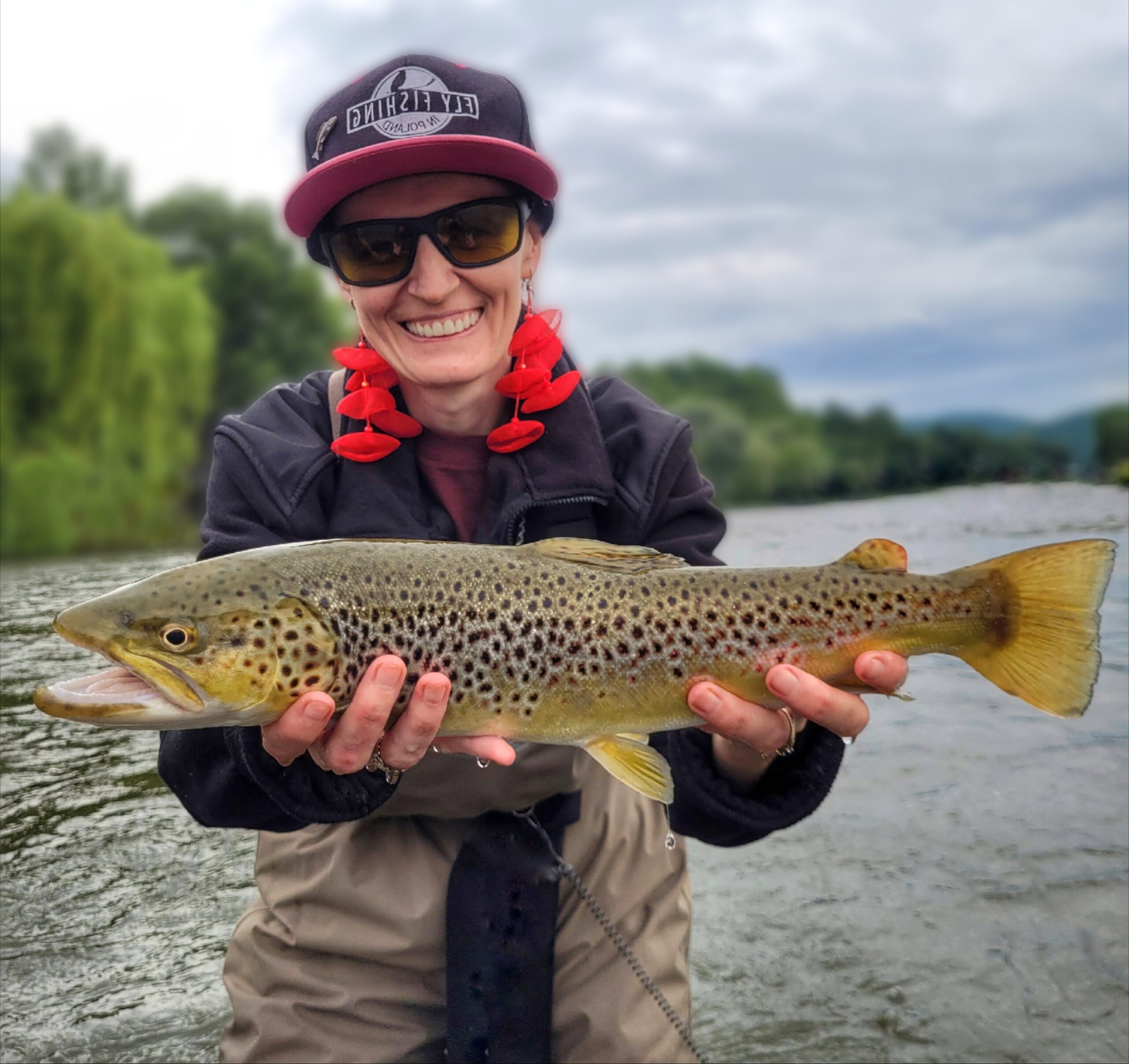
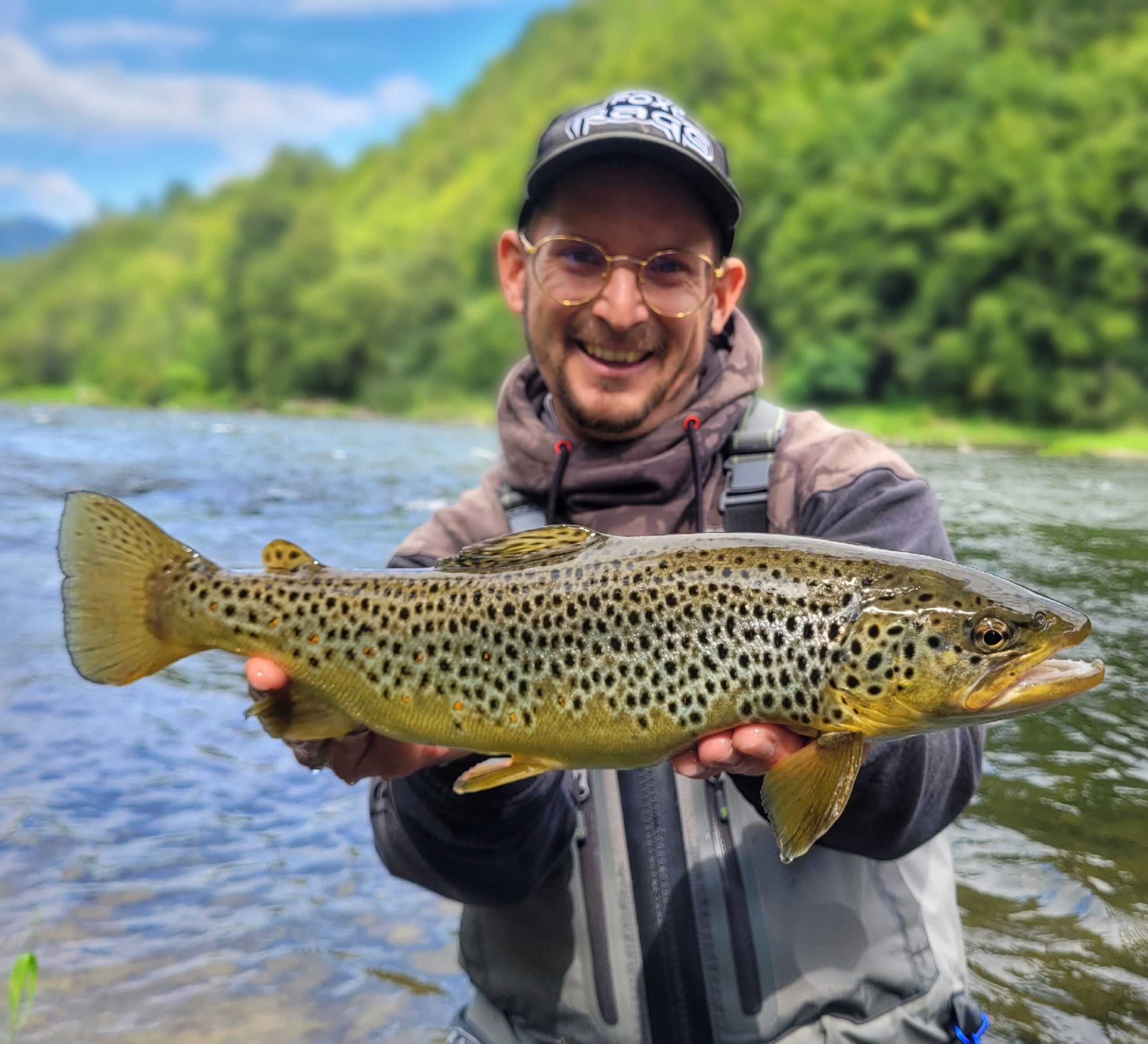
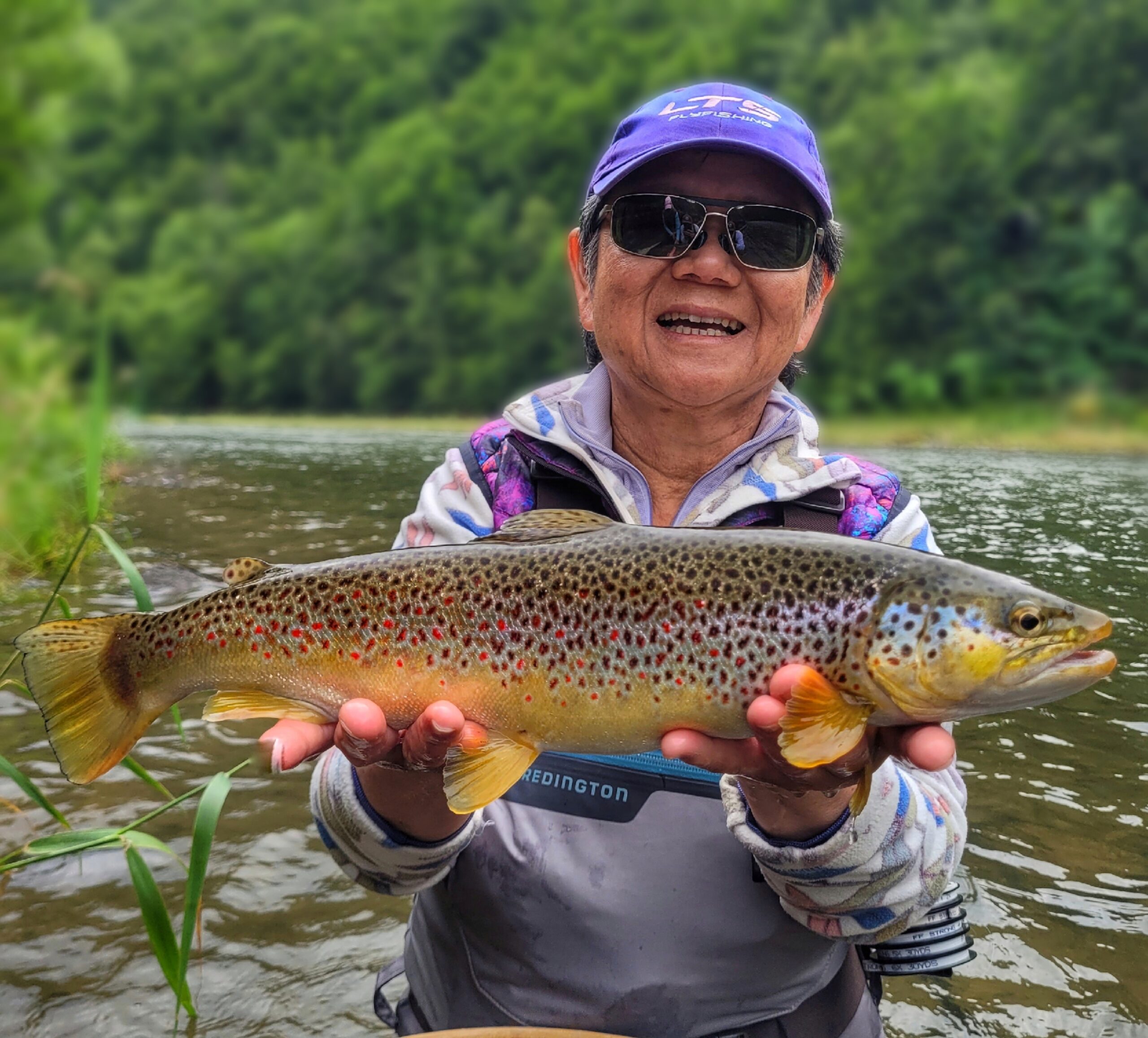
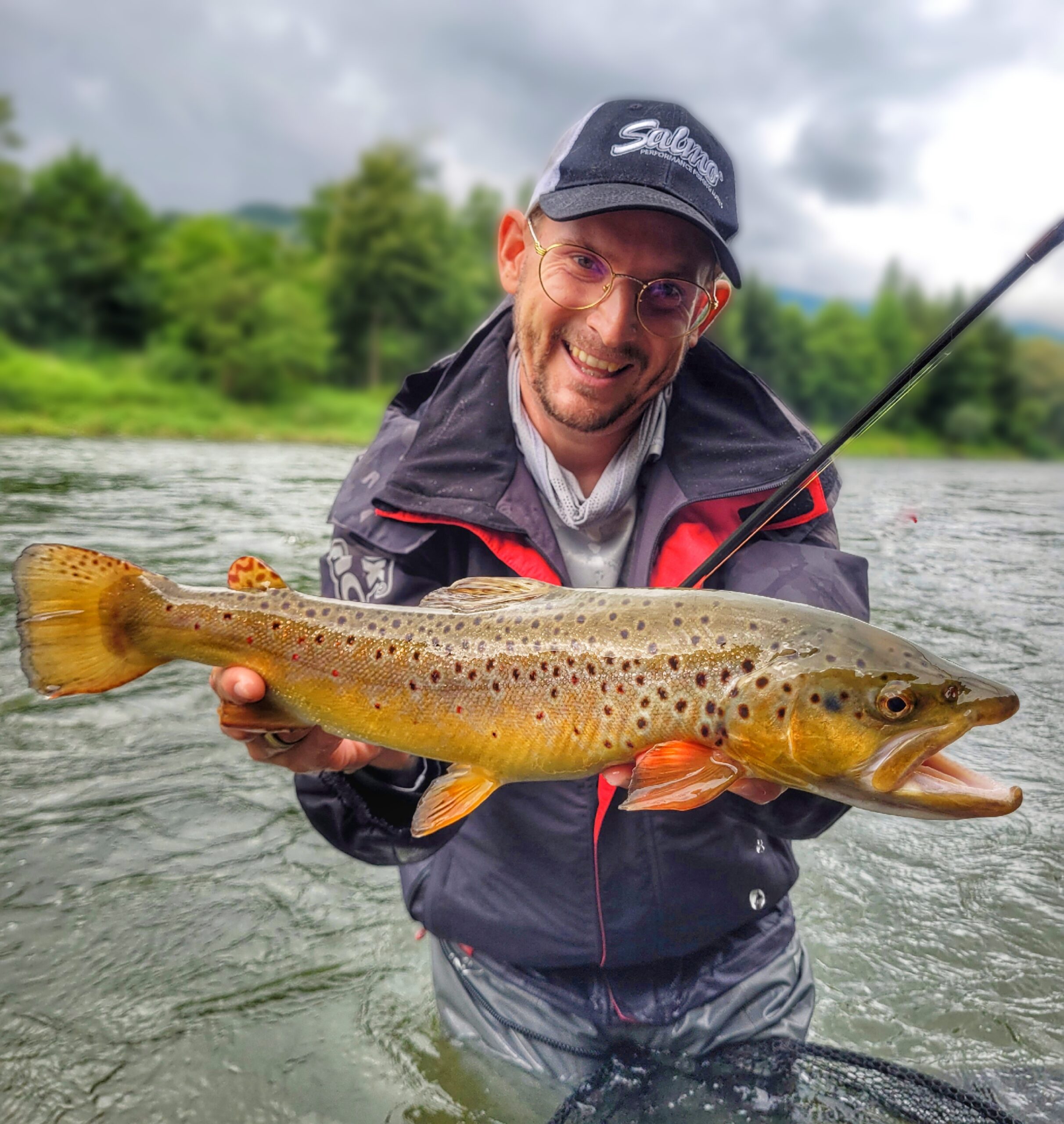
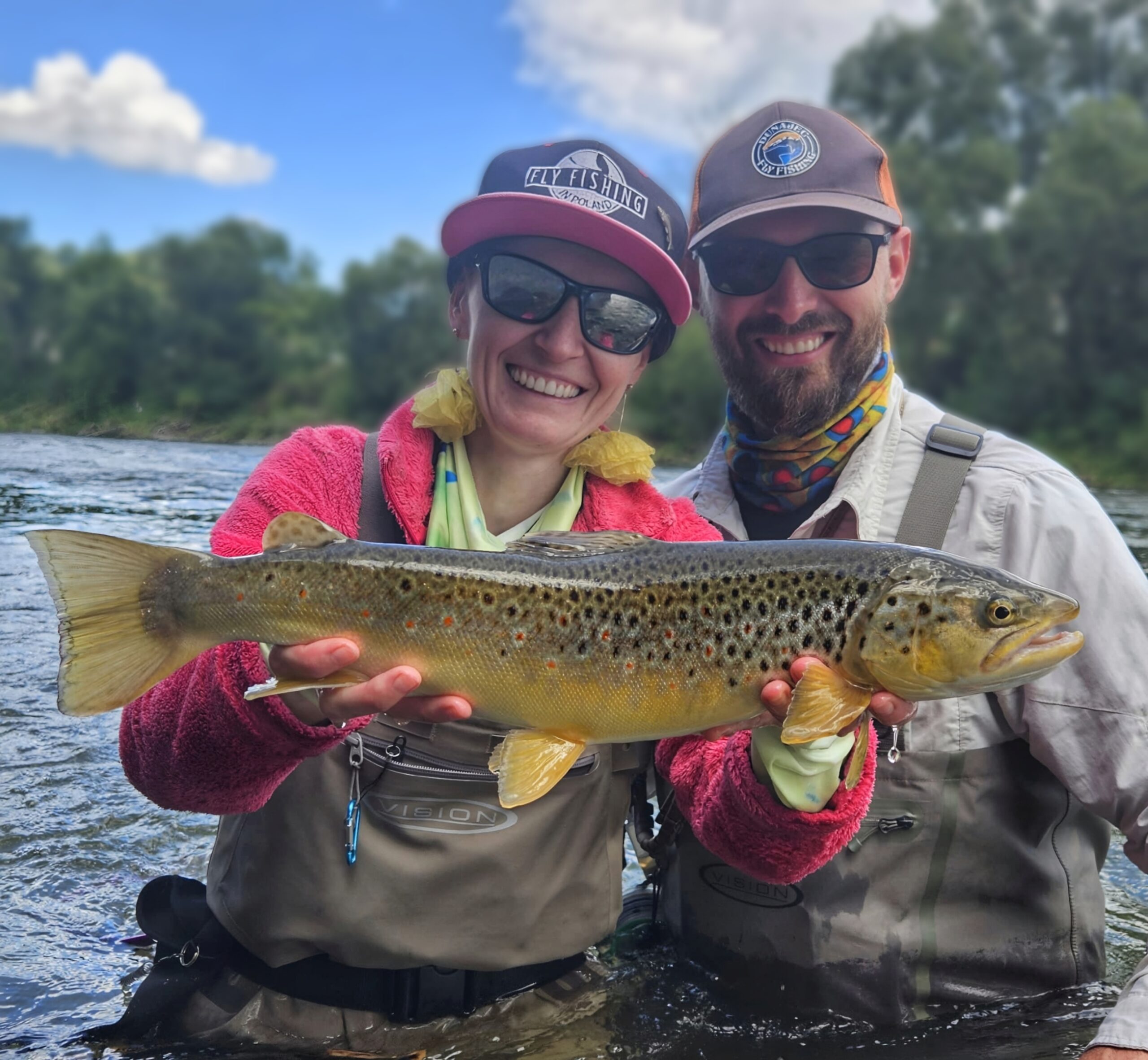
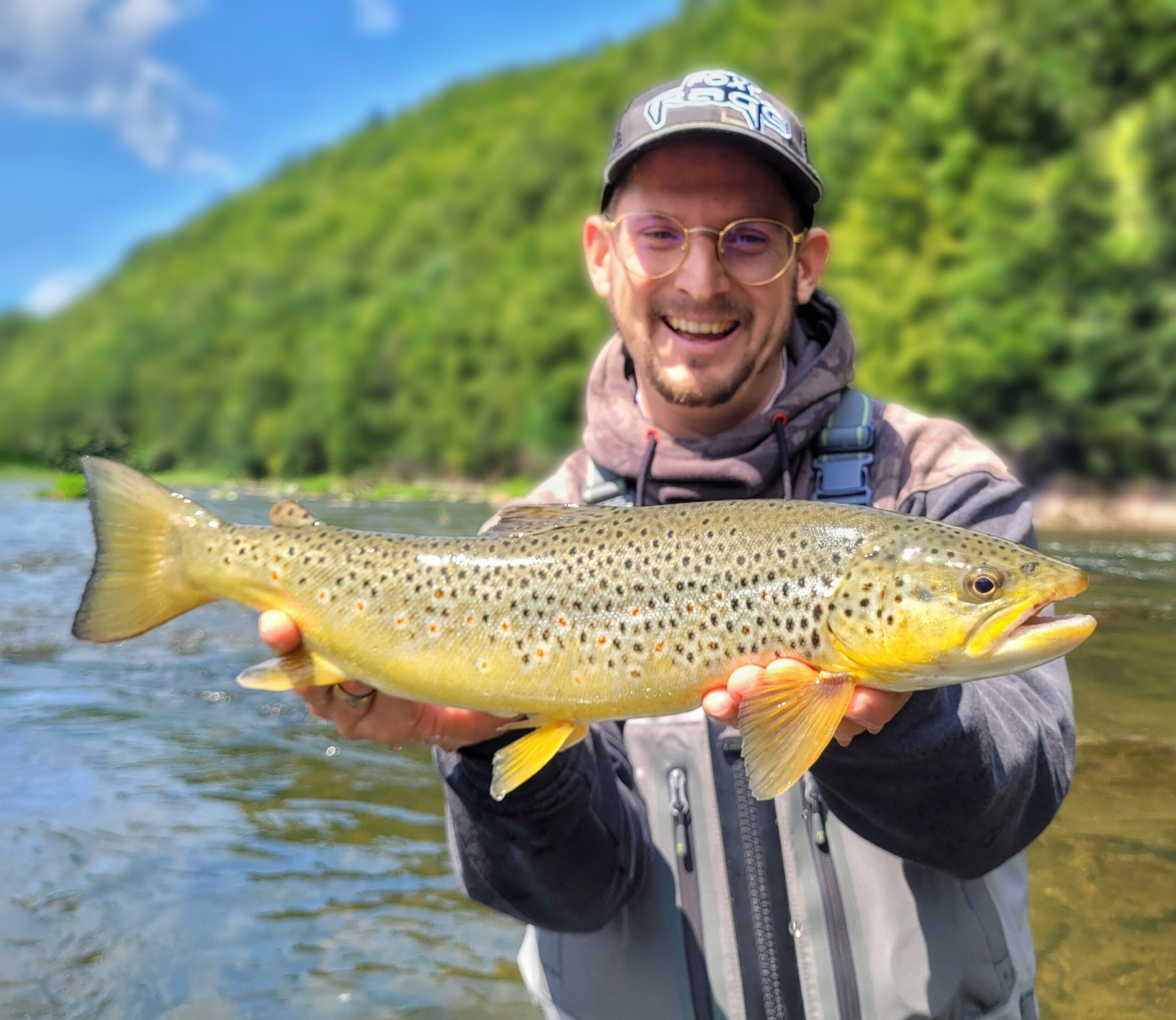
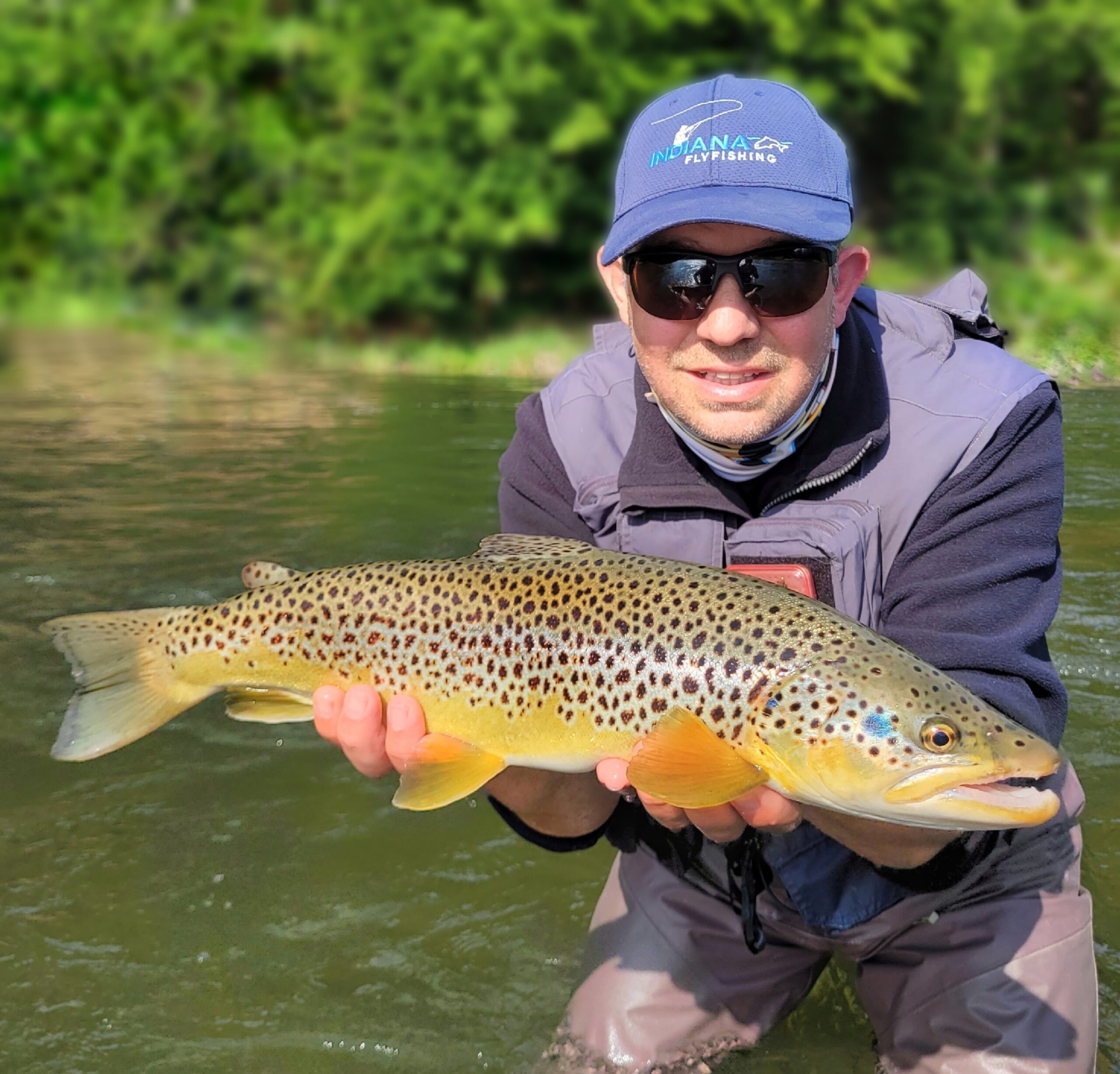
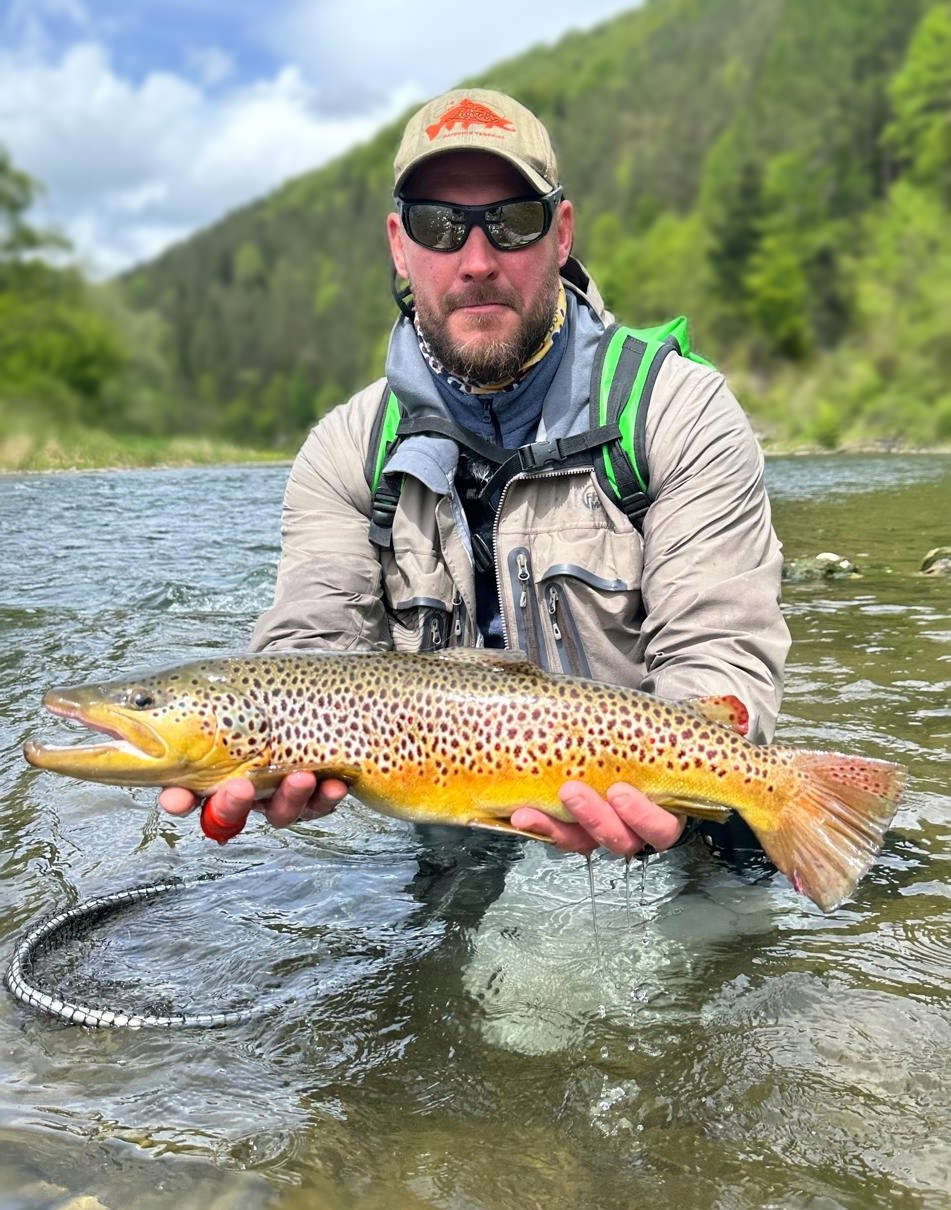
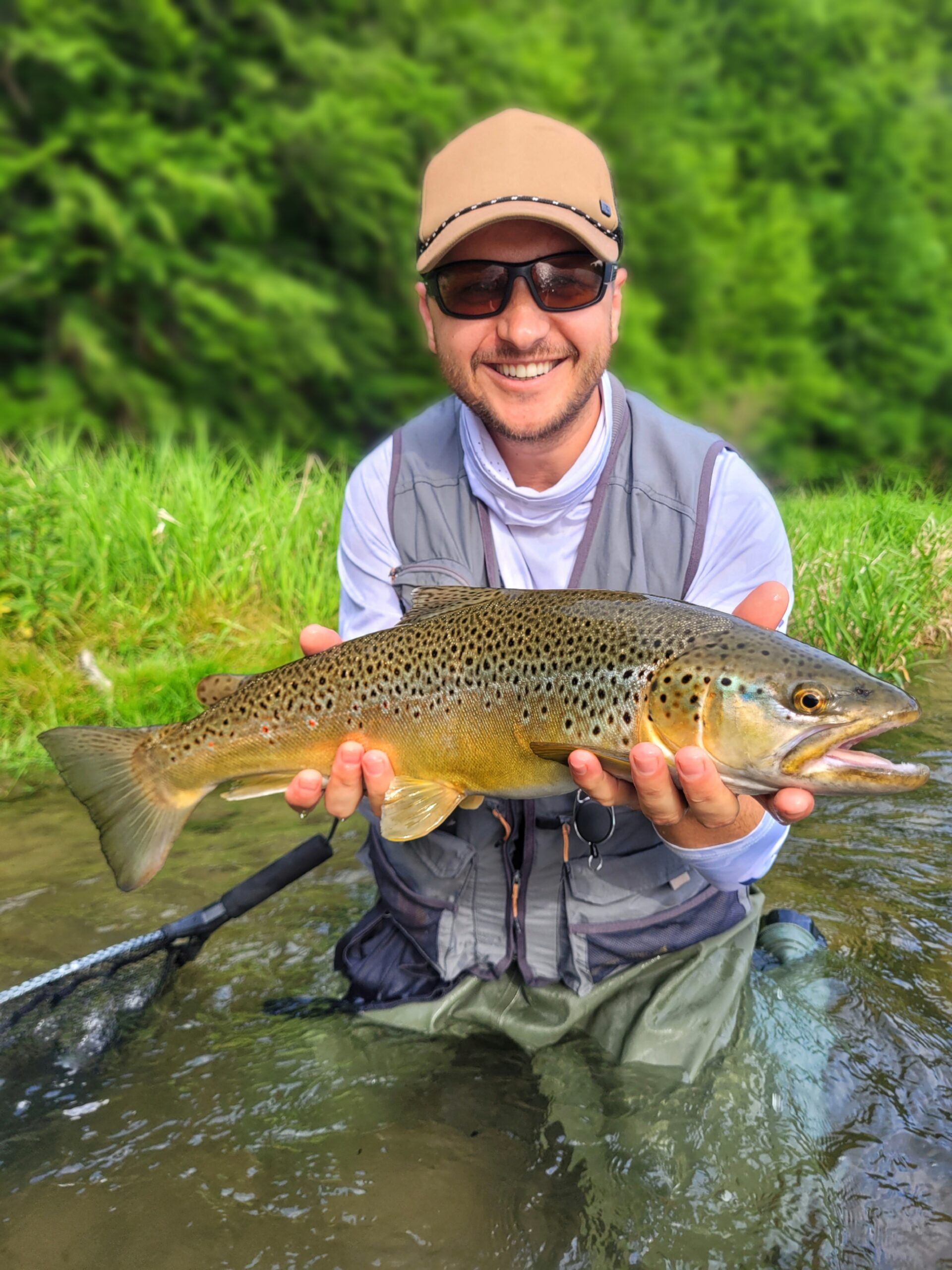
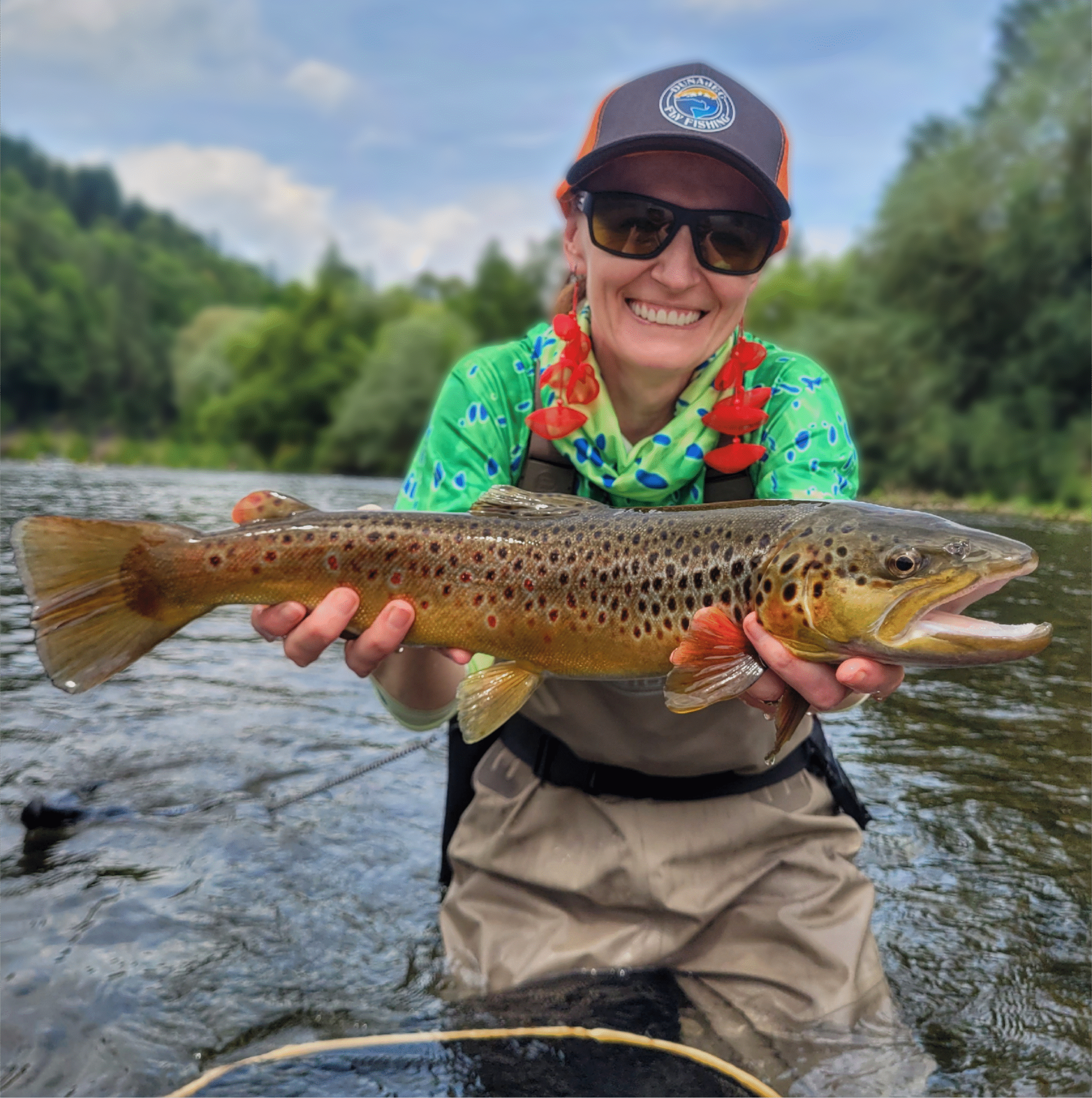
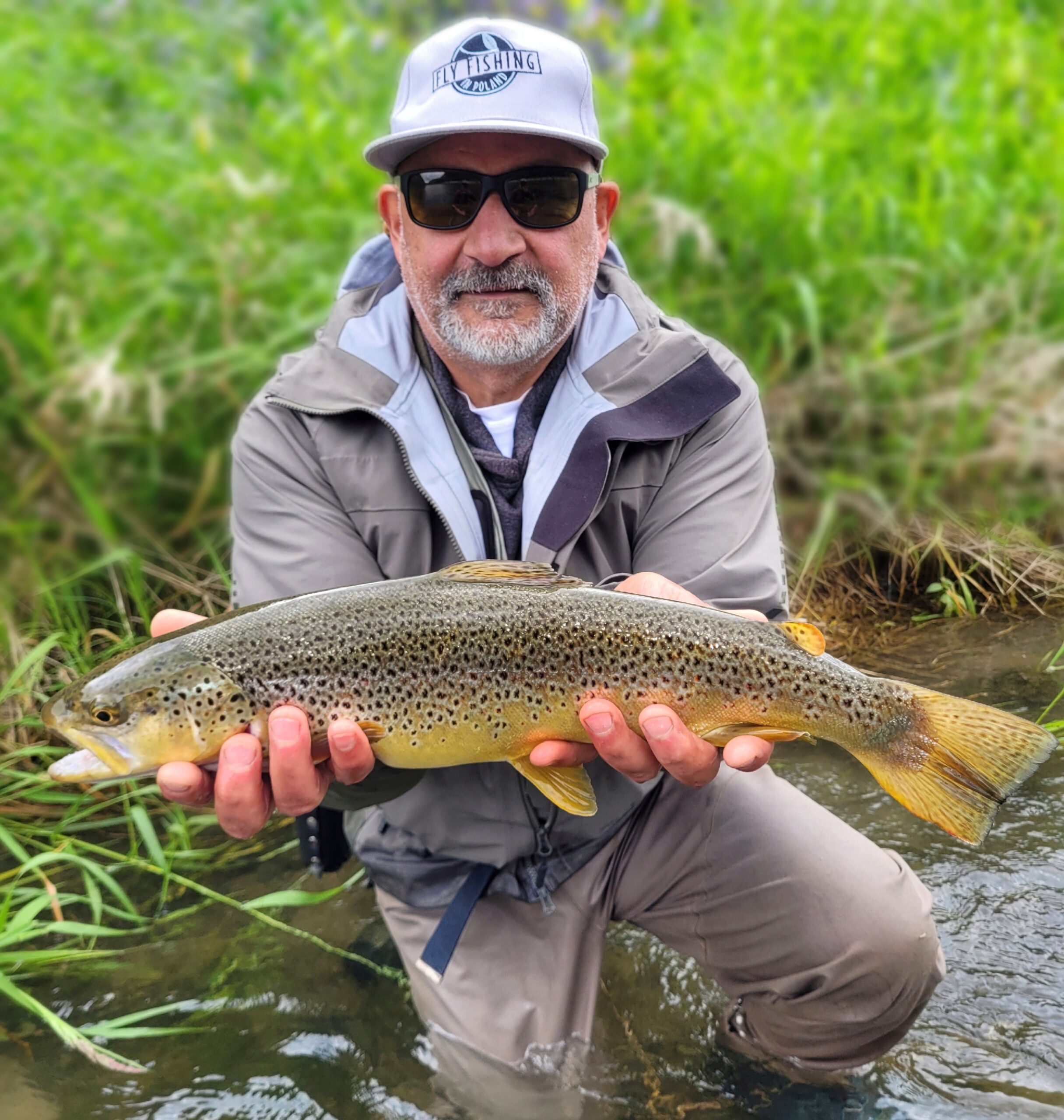
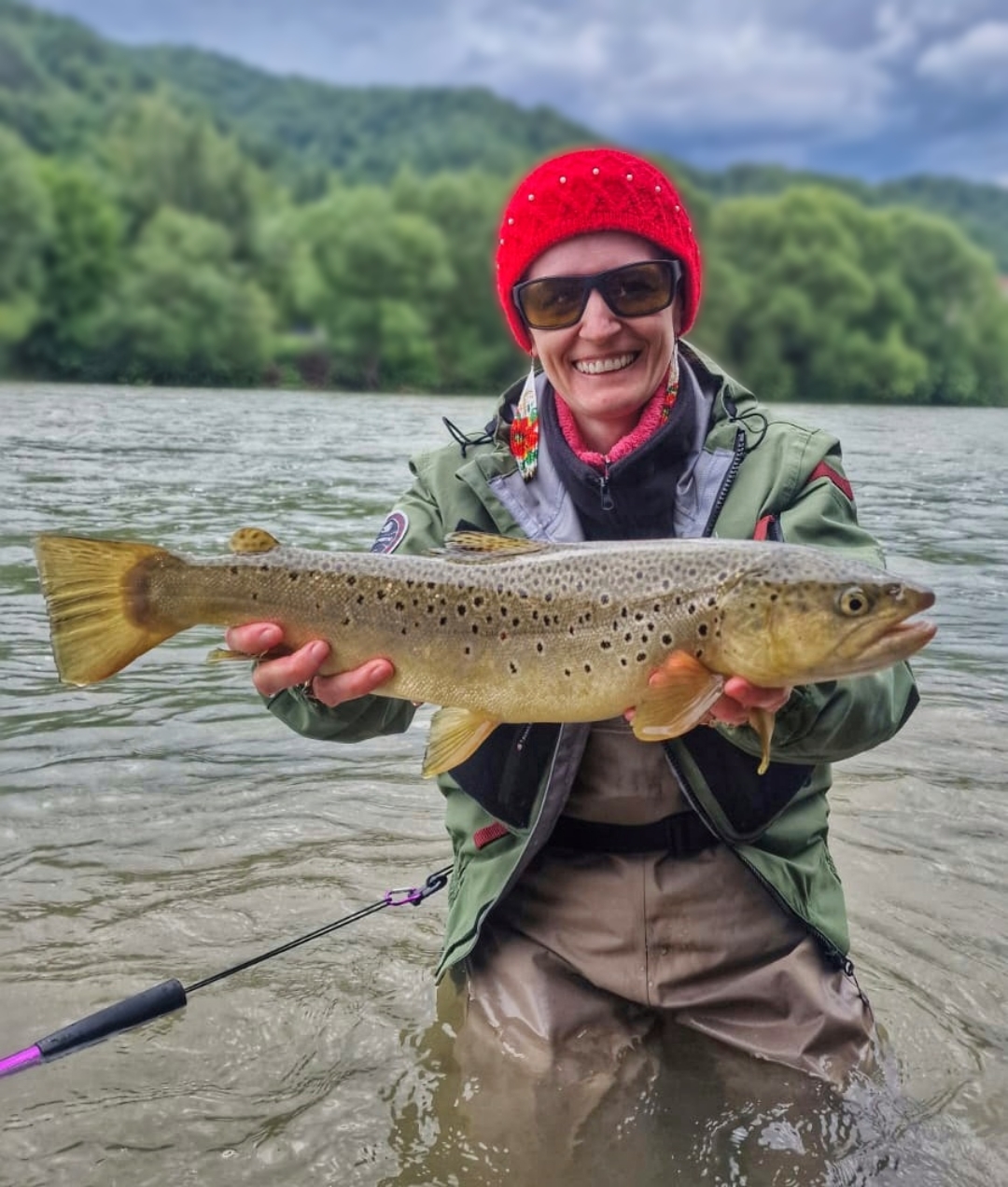
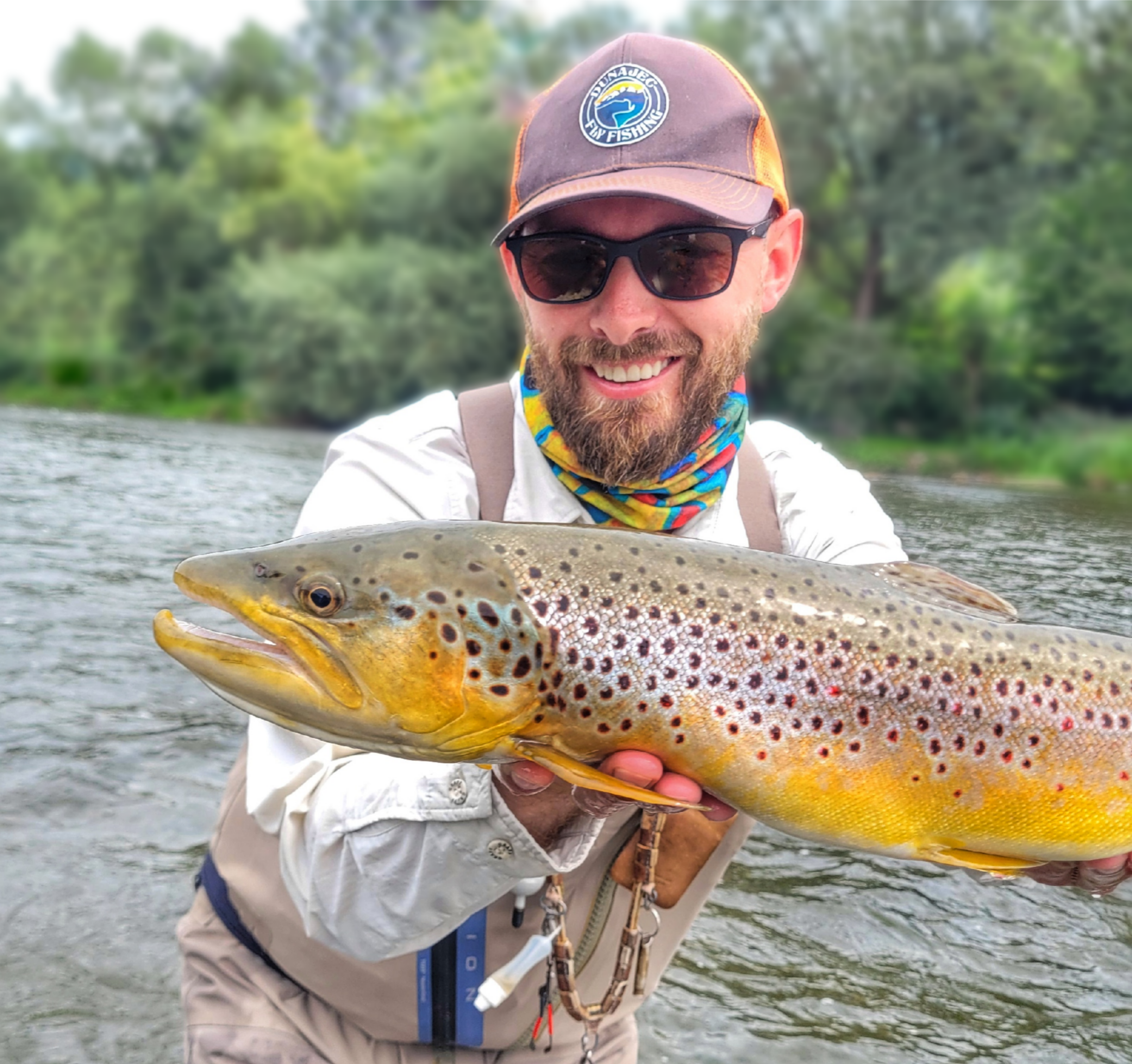
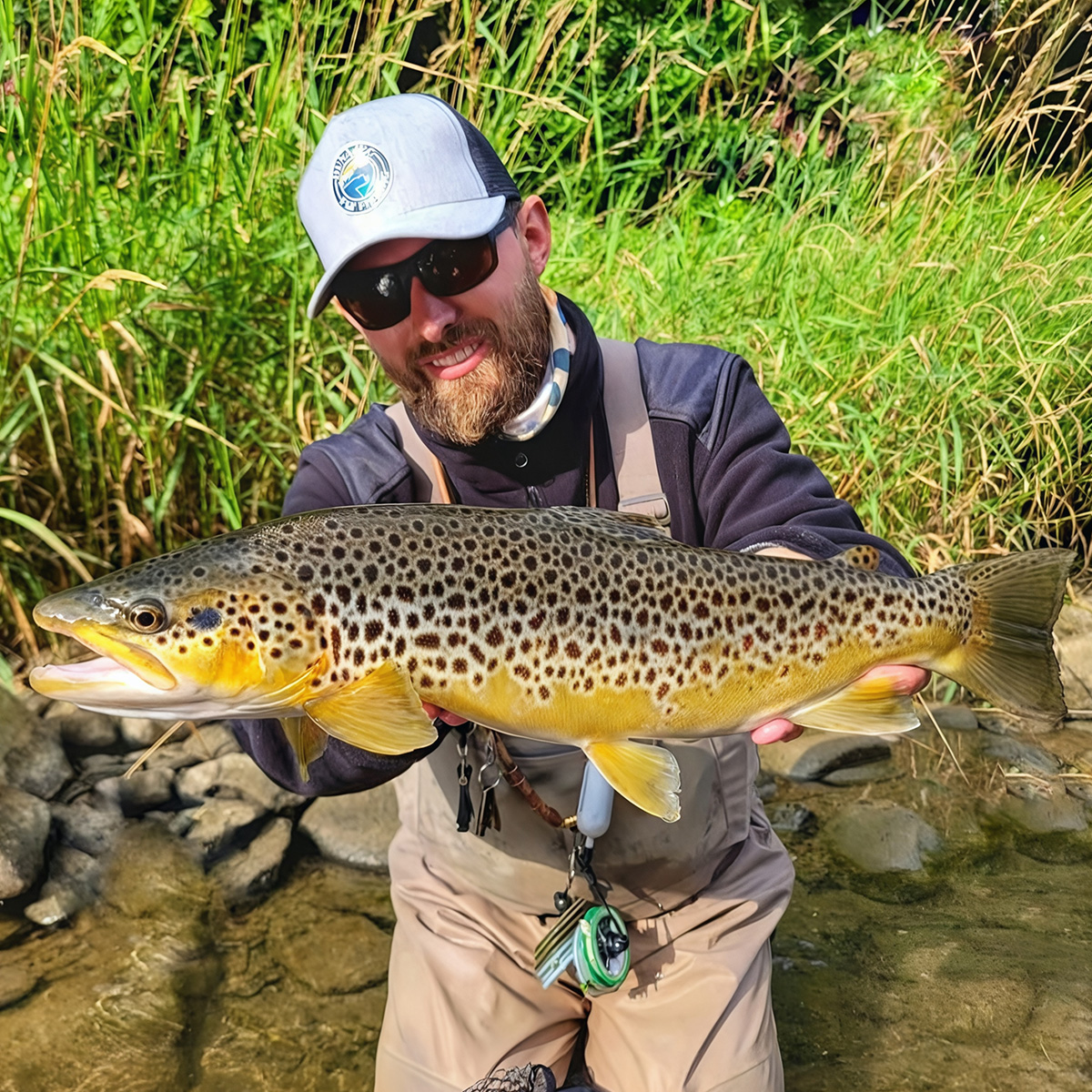
Brown trout
Salmo trutta
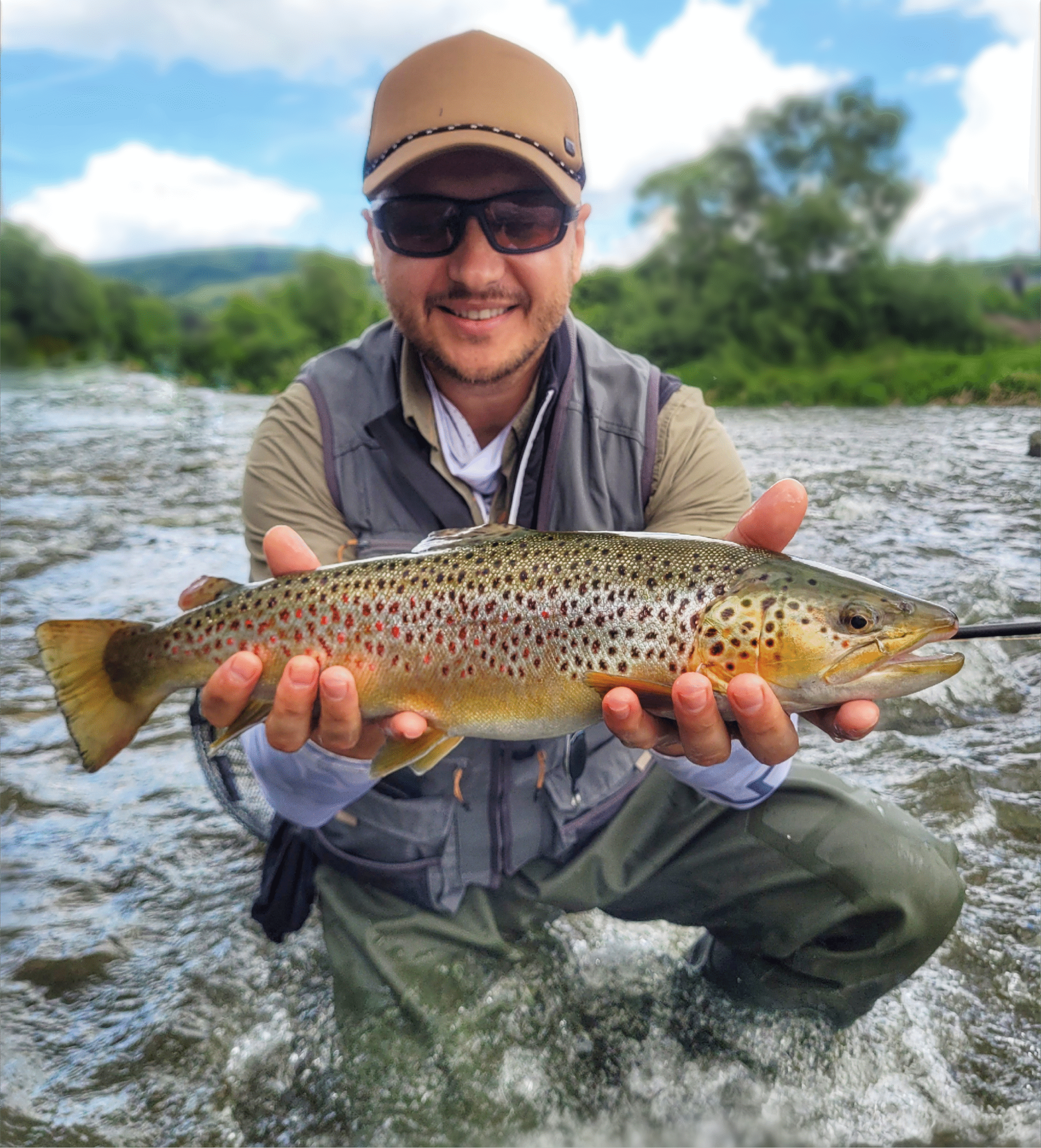
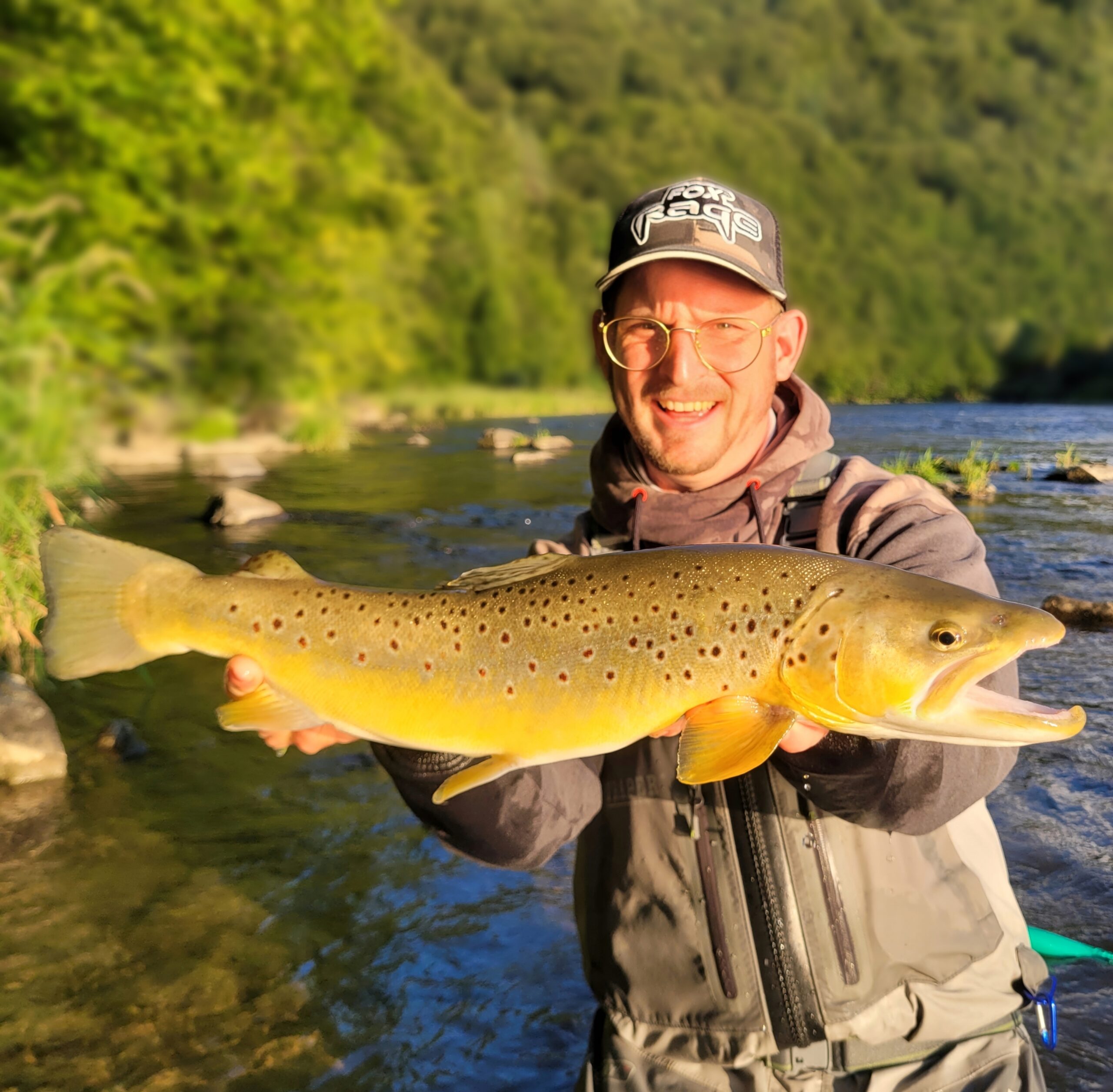
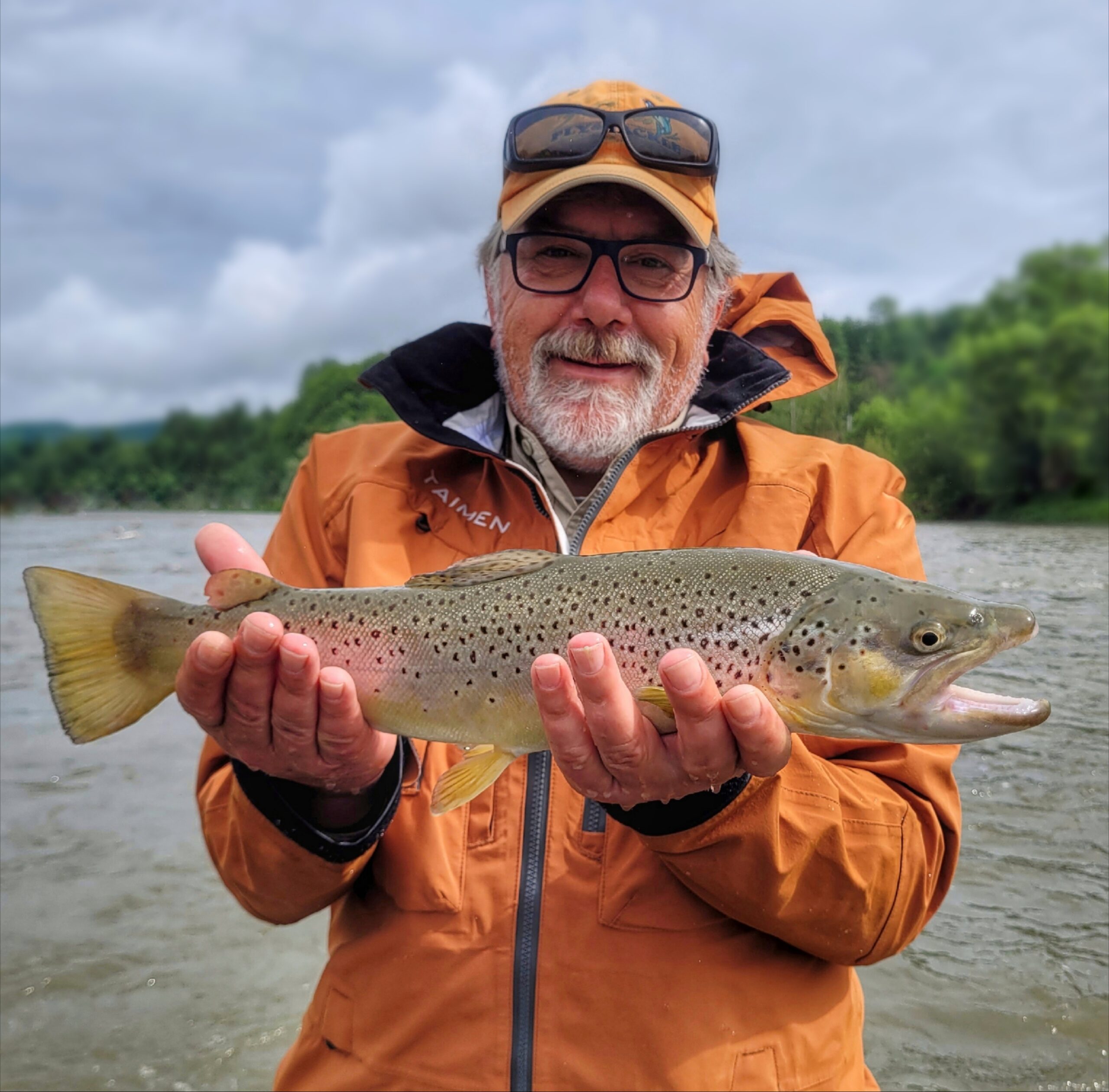
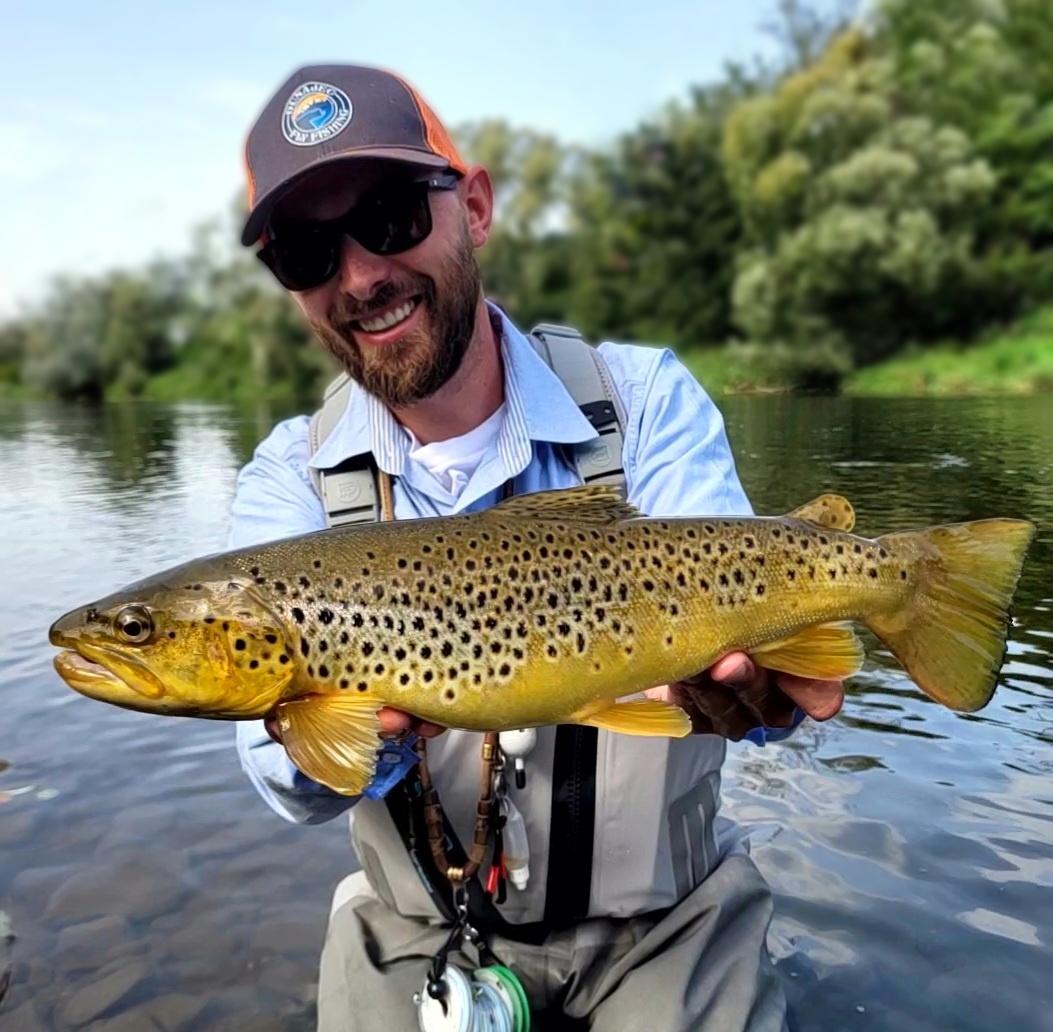
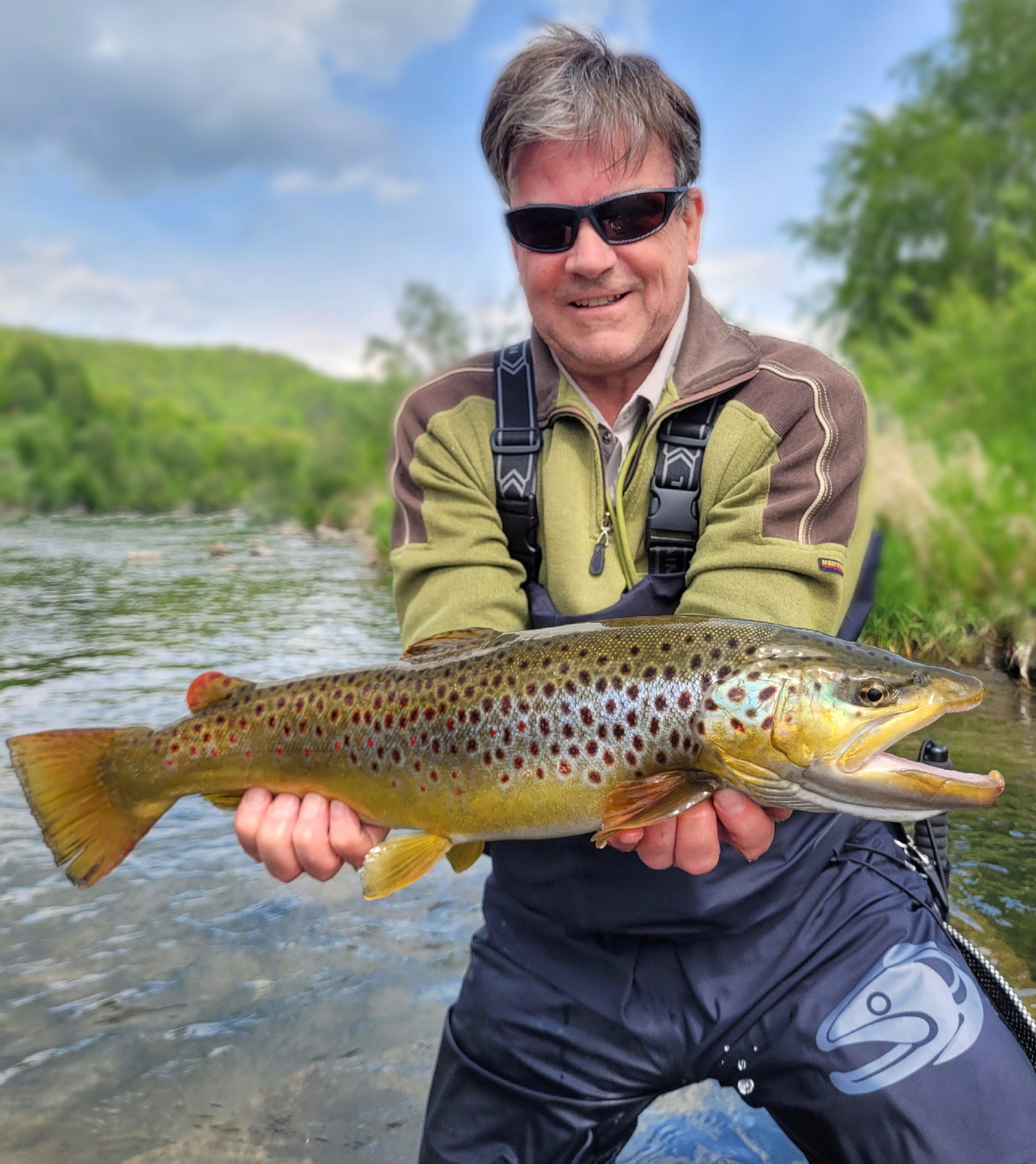
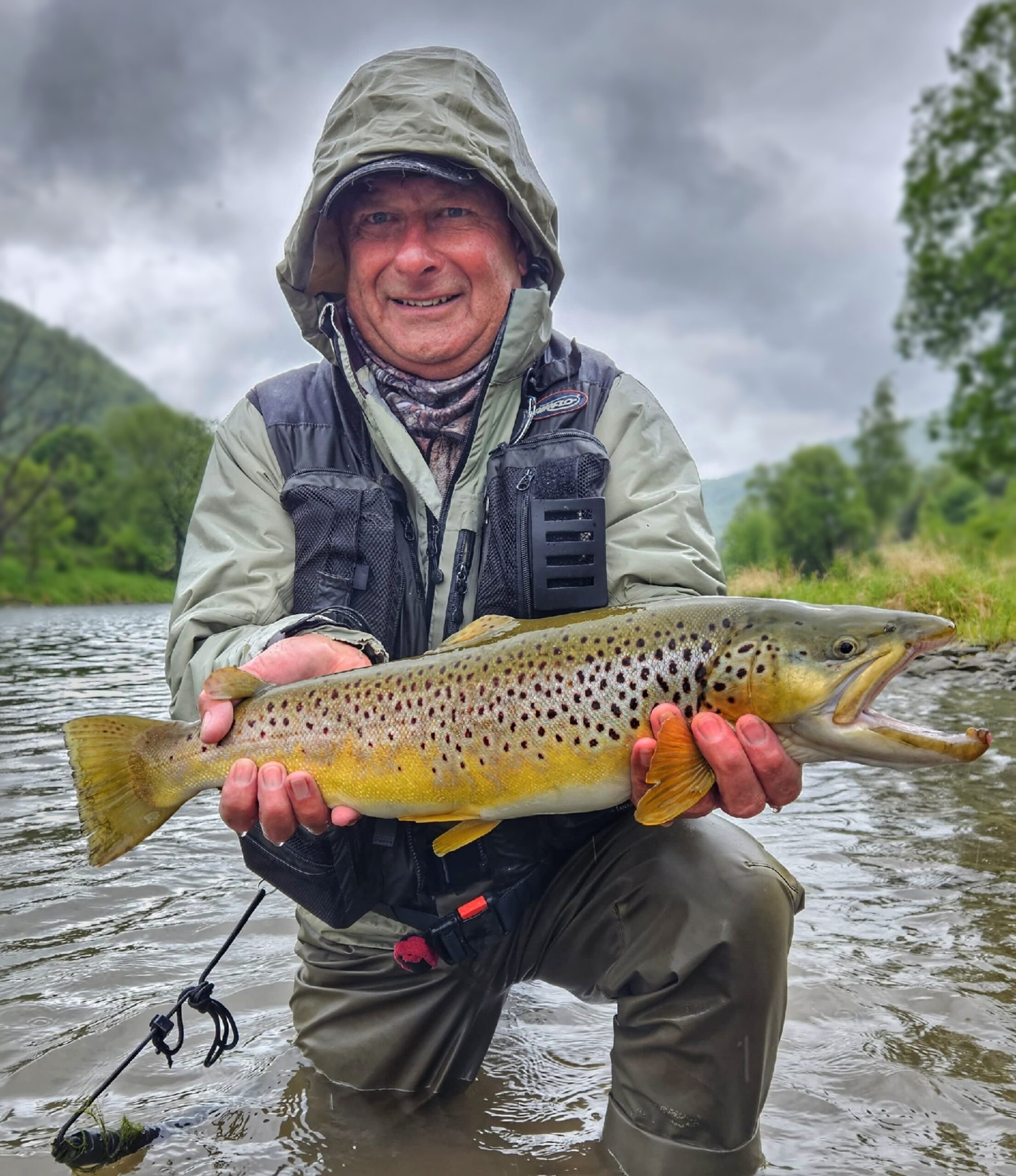
Freshwater fish from the salmon family. In Poland, it reaches a maximum of approx. 80 cm in length, the coloration may vary depending on the location and conditions of each river. The streamlined body structure is an important element in facilitating life in fast flowing river. A characteristic feature of the species are black and red dots on the back. This predatory fish feeds on both insects and other fish. The season for brown trout in the rivers of the southern Poland is 1st Febuary – 31st August.
Brown trout in Poland can reach dimensions of up to 80 cm in length. The most common method of catching this fish is a short nymph setup. (You may know this as “Czech Nymphing”, however, the Polish invented the method, the Czechs made it famous during a competition.) Rods required have the following specifications 10’0 – 11’0 # 3 – # 5 weight is a very popular option. However, nowadays fishing rods 12’0 and # 4 – # 5 weight are more often used. Monofilament ranging 0.16 – 0.18 mm are used.
Another method used to catch trout is with a streamer (lure). Streamer fishing requires stronger rods with a fast action, the most common configuration is a 9’0 – 10’0 # 6 – # 7 weight. Fish attack very aggressively and therefore thicker monofilaments, usually 0.20 – 0.26 mm should be used.
Our third method which has great potential is the Wet fly; casting your fly at a 45 degree angle down river and gently raising your rod tip can sometimes entice a big and really picky fish. Fast action rods in weight # 5 – # 6 are a good choice.
The last, but very spectacular method is the ‘dry fly’. The moment when a fish takes the fly from the surface of the water is something you will never forget. For this method, rods are generally softer with greater sensitivity to present the fly naturally, rods of # 3 – # 4 weight are ideal and thin leaders should be used.
Besides the above mentioned equipment, remember a few crucial regulations enforced by the local bailiffs. Forceps are required for unhooking fish even though ONLY barbless hooks are allowed, and in some rivers, only knotless mesh landing nets can be used.
Brown trout in Poland can reach dimensions of up to 80 cm in length. The most common method of catching this fish is a short nymph setup. (You may know this as “Czech Nymphing”, however, the Polish invented the method, the Czechs made it famous during a competition.) Rods required have the following specifications 10’0 – 11’0 # 3 – # 5 weight is a very popular option. However, nowadays fishing rods 12’0 and # 4 – # 5 weight are more often used. Monofilament ranging 0.16 – 0.18 mm are used.
Another method used to catch trout is with a streamer (lure). Streamer fishing requires stronger rods with a fast action, the most common configuration is a 9’0 – 10’0 # 6 – # 7 weight. Fish attack very aggressively and therefore thicker monofilaments, usually 0.20 – 0.26 mm should be used.
Our third method which has great potential is the Wet fly; casting your fly at a 45 degree angle down river and gently raising your rod tip can sometimes entice a big and really picky fish. Fast action rods in weight # 5 – # 6 are a good choice.
The last, but very spectacular method is the ‘dry fly’. The moment when a fish takes the fly from the surface of the water is something you will never forget. For this method, rods are generally softer with greater sensitivity to present the fly naturally, rods of # 3 – # 4 weight are ideal and thin leaders should be used.
Besides the above mentioned equipment, remember a few crucial regulations enforced by the local bailiffs. Forceps are required for unhooking fish even though ONLY barbless hooks are allowed, and in some rivers, only knotless mesh landing nets can be used.
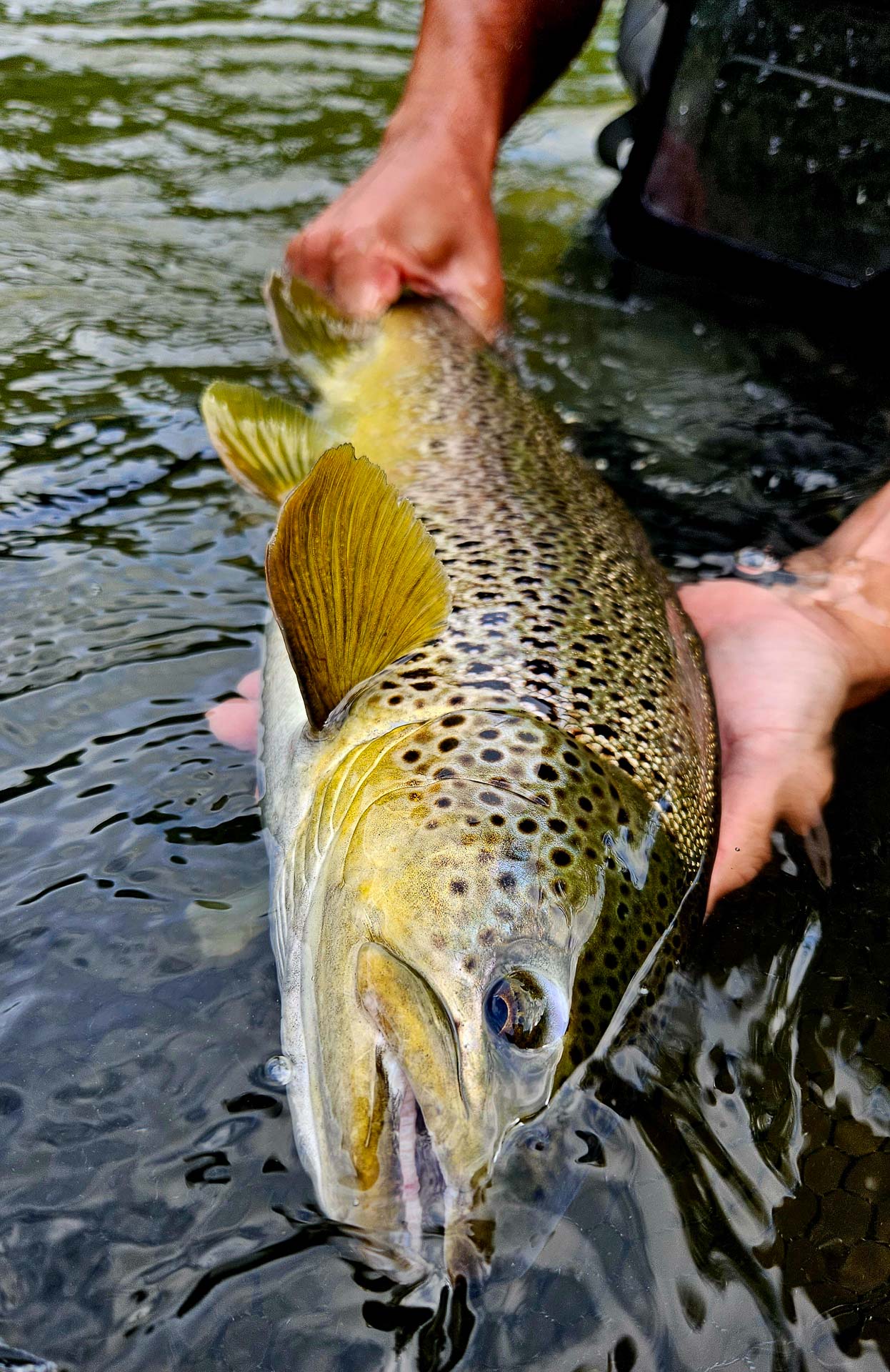
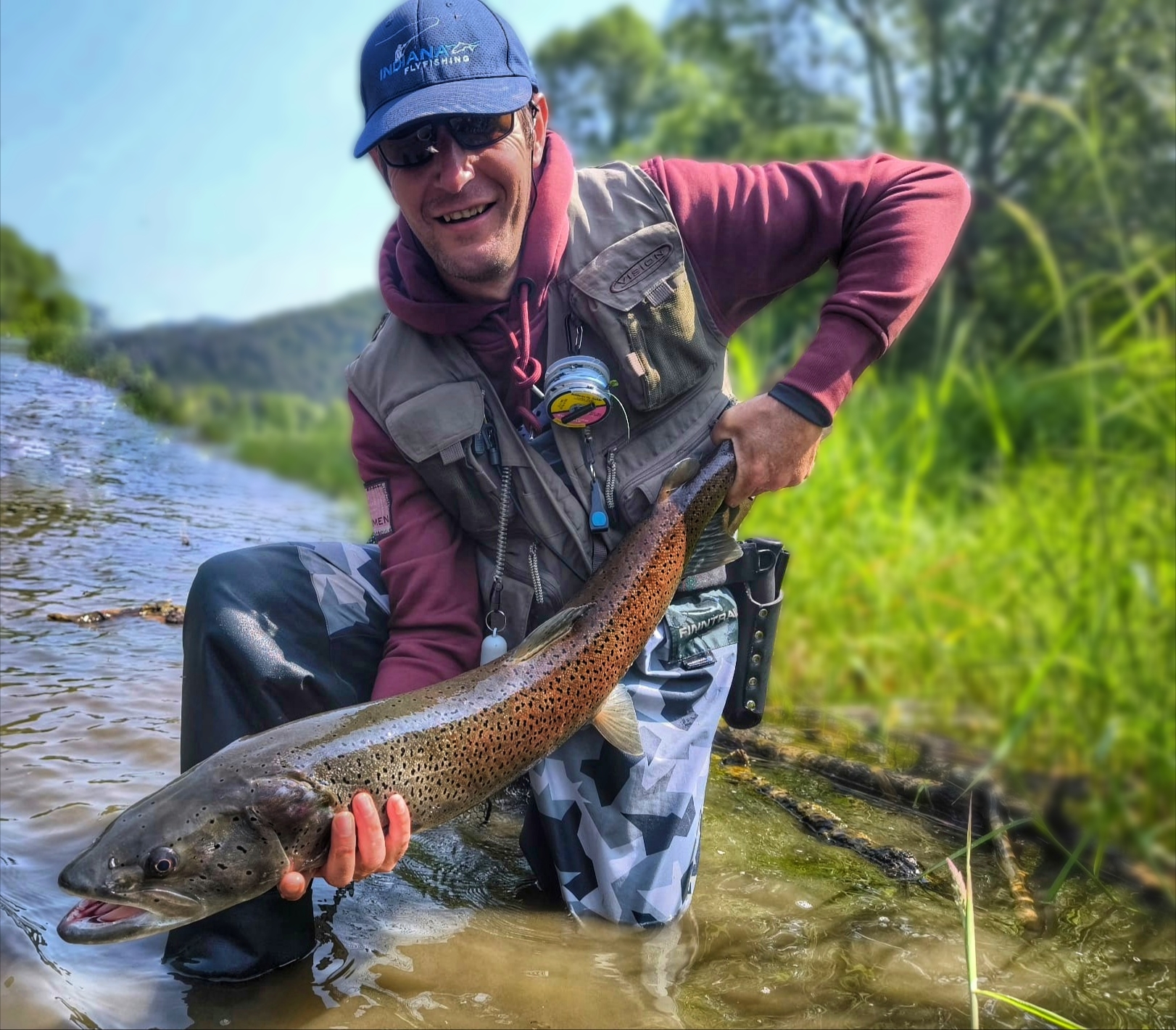
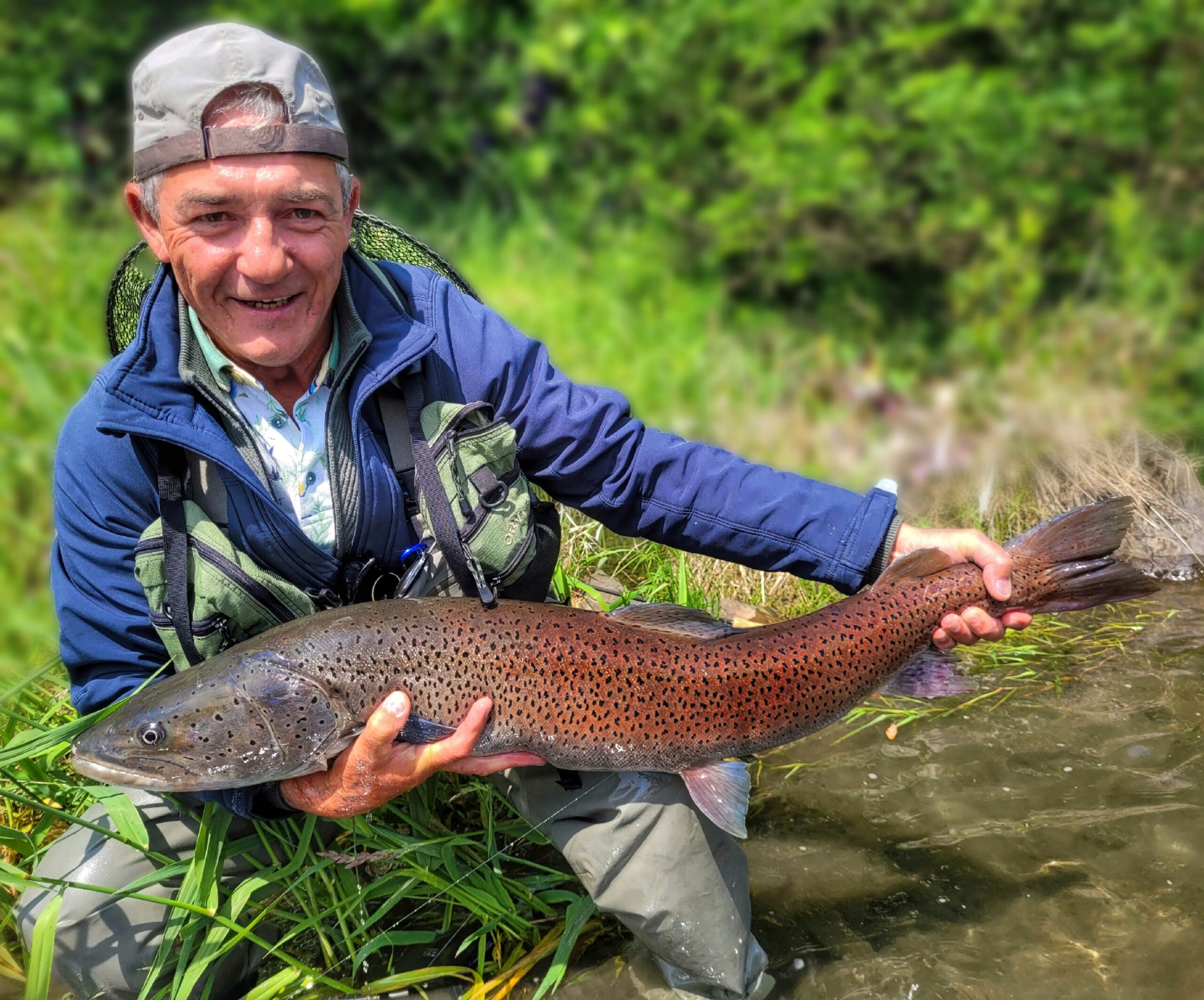
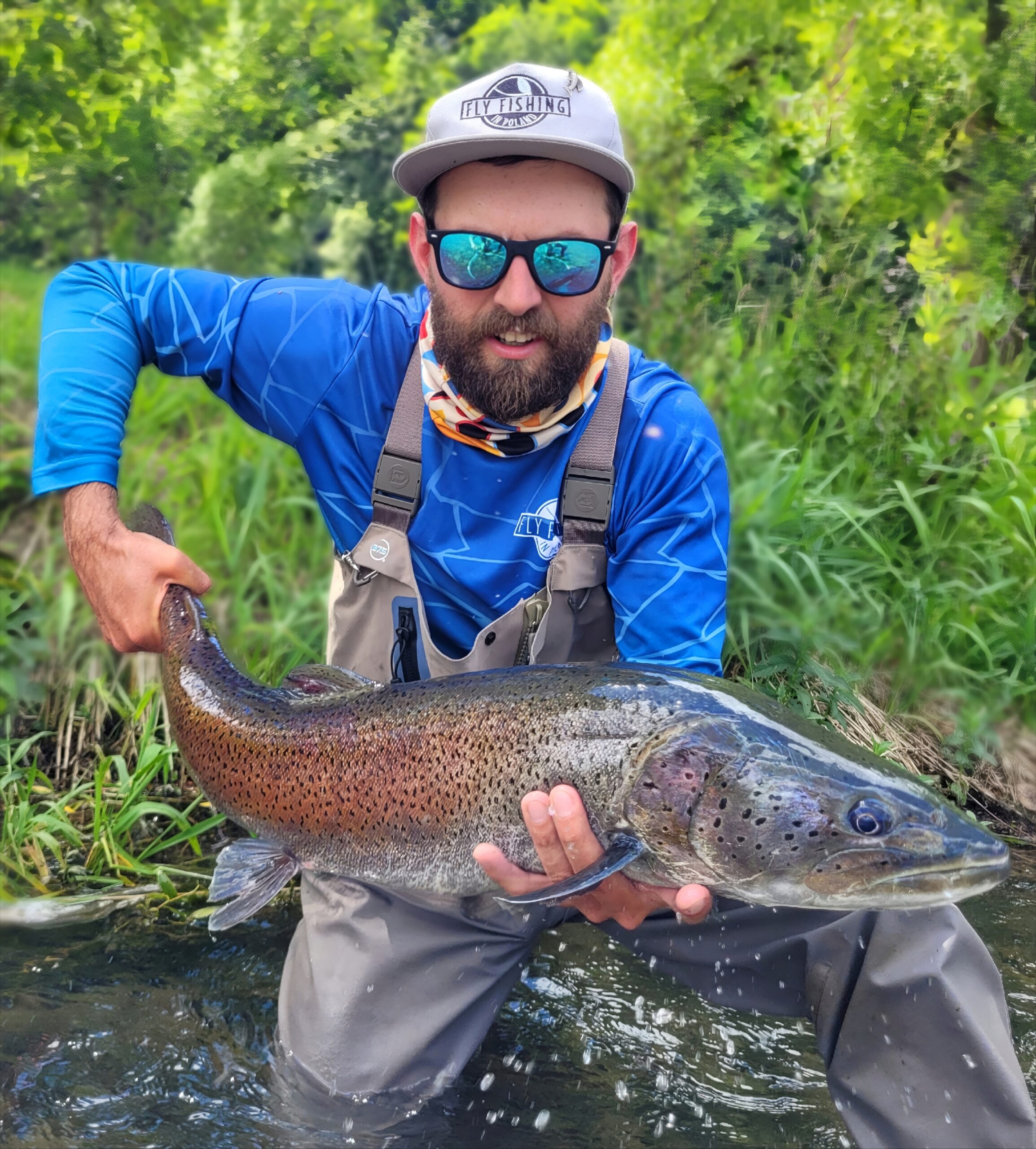
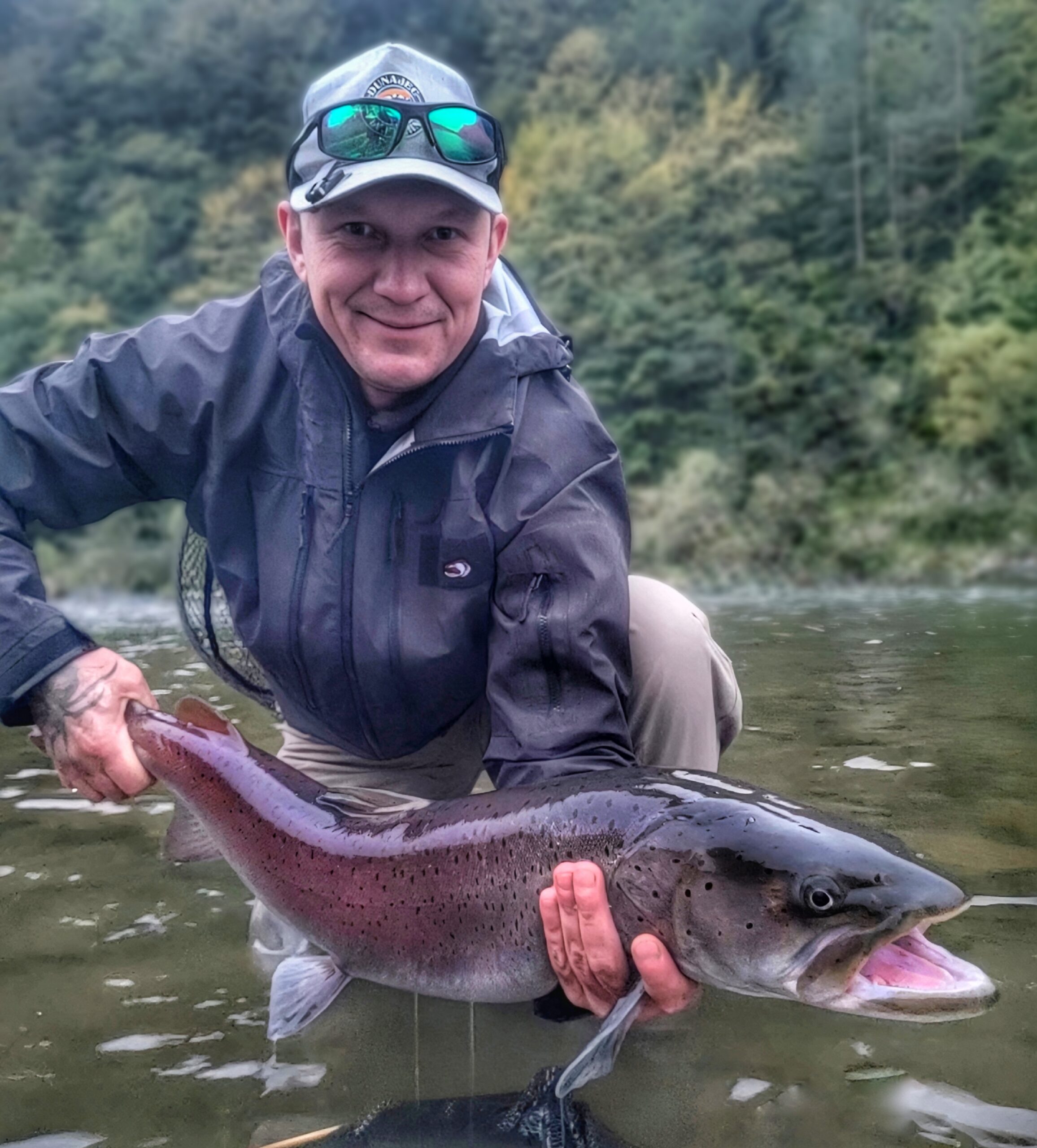
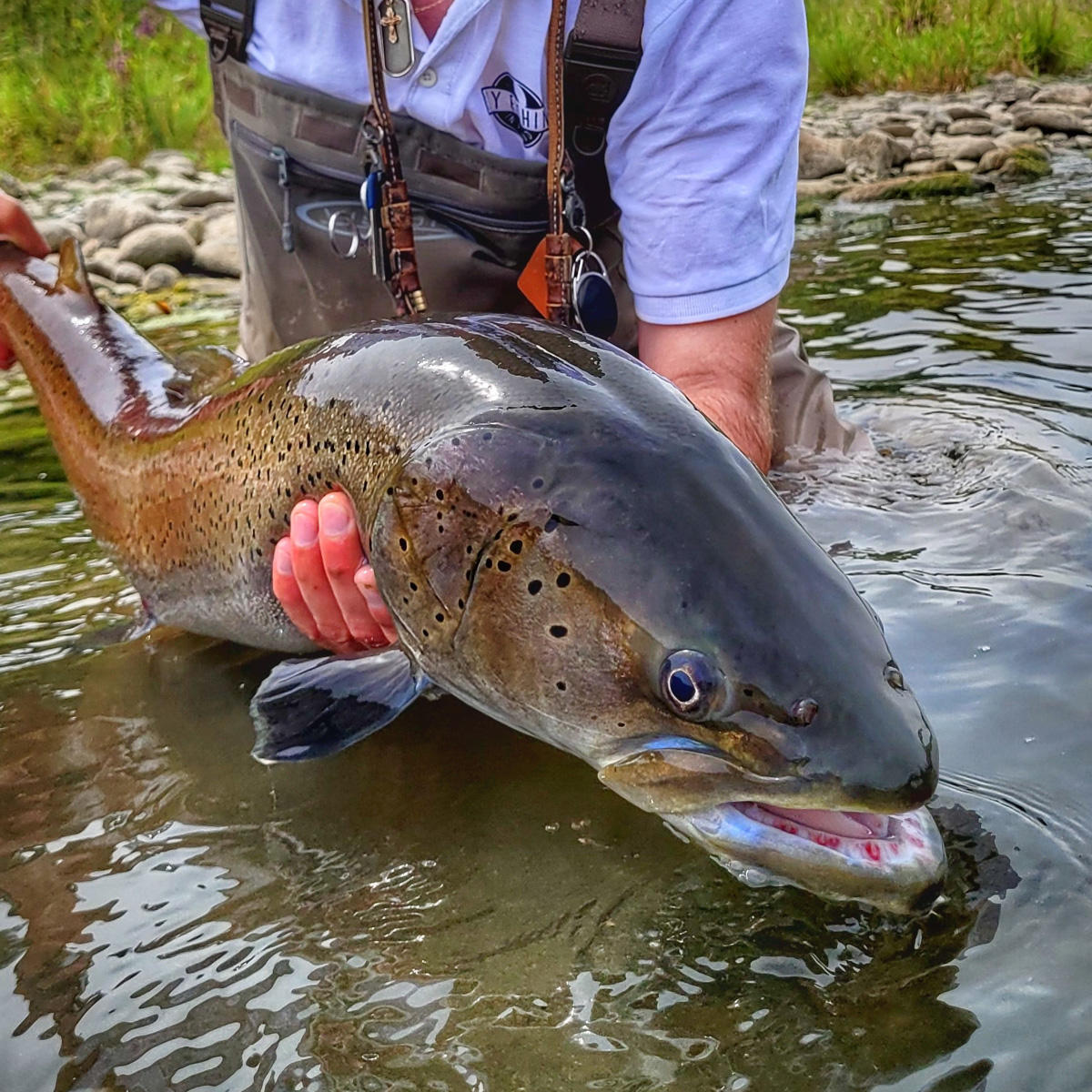
Danube Salmon
(Hucho-Hucho)
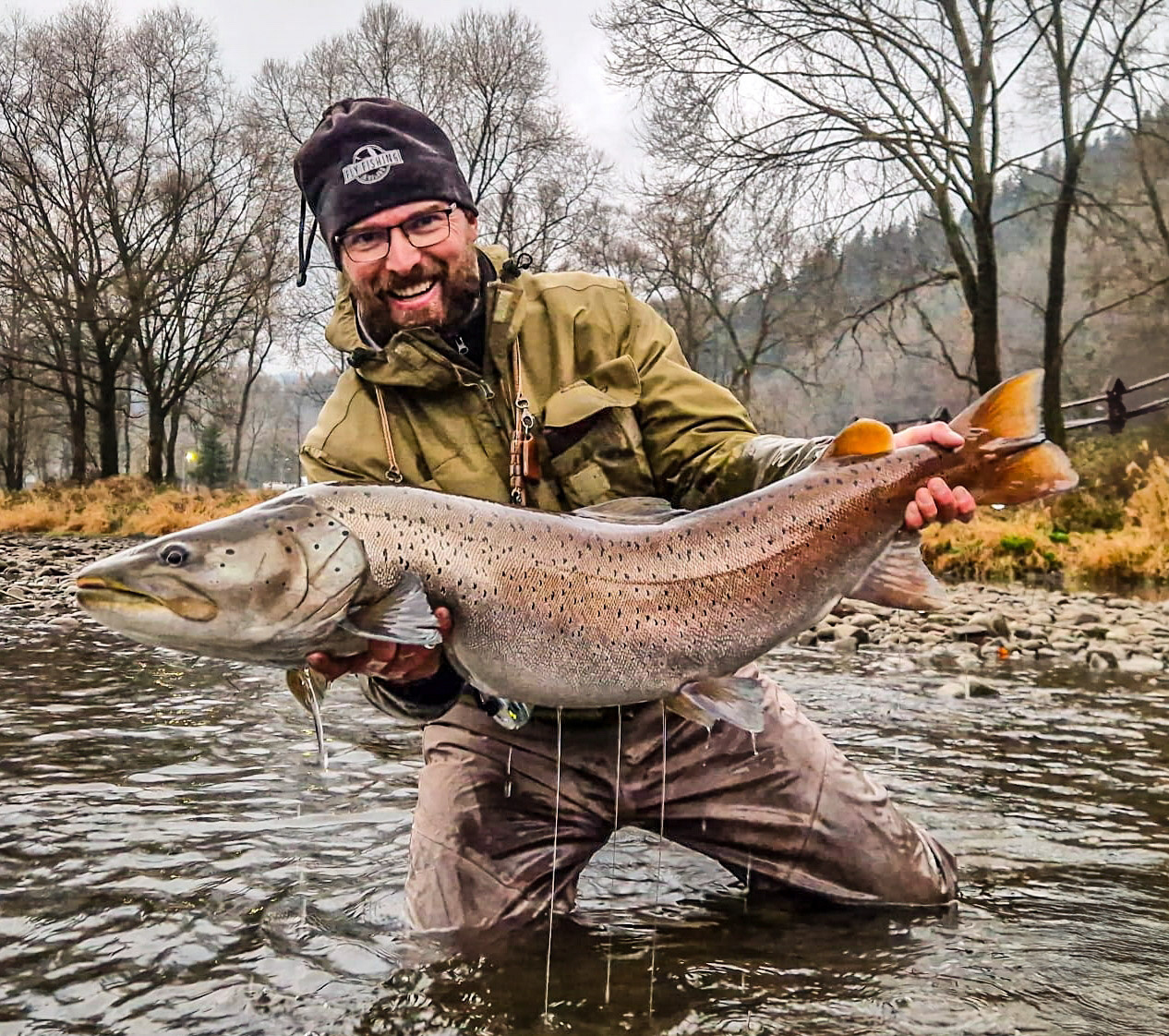
The Dunajec River is a prime location for anglers seeking the elusive Danube Salmon, also known as the Huchen or Hucho hucho. This impressive fish can grow over one meter in length and weigh up to 50 kilograms, making it a highly sought-after catch for fishing enthusiasts.
The Danube Salmon thrives in the fast-flowing, cold waters of the Dunajec, where its agility and strength are put to the test. Its elongated, silvery-grey body with darker spots makes it a striking sight as it navigates the river. Anglers in the Dunajec often face a thrilling challenge due to the fish’s remarkable endurance and power.
Despite being endangered due to habitat loss and overfishing, conservation efforts in the region aim to protect and restore the Danube Salmon’s natural habitats, ensuring that this magnificent species continues to thrive in the Dunajec.
The Danube Salmon thrives in the fast-flowing, cold waters of the Dunajec, where its agility and strength are put to the test. Its elongated, silvery-grey body with darker spots makes it a striking sight as it navigates the river. Anglers in the Dunajec often face a thrilling challenge due to the fish’s remarkable endurance and power.
Despite being endangered due to habitat loss and overfishing, conservation efforts in the region aim to protect and restore the Danube Salmon’s natural habitats, ensuring that this magnificent species continues to thrive in the Dunajec.
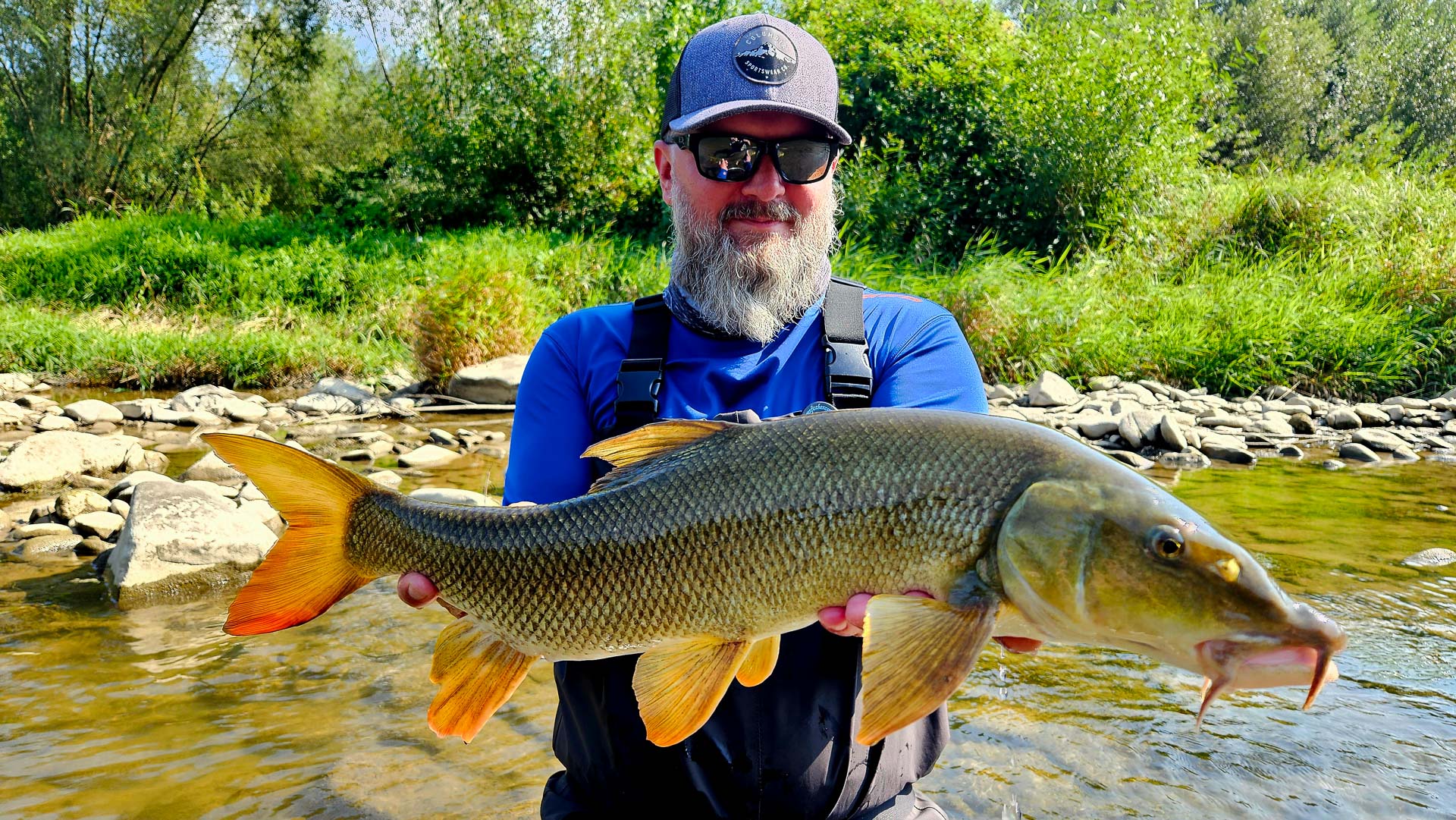
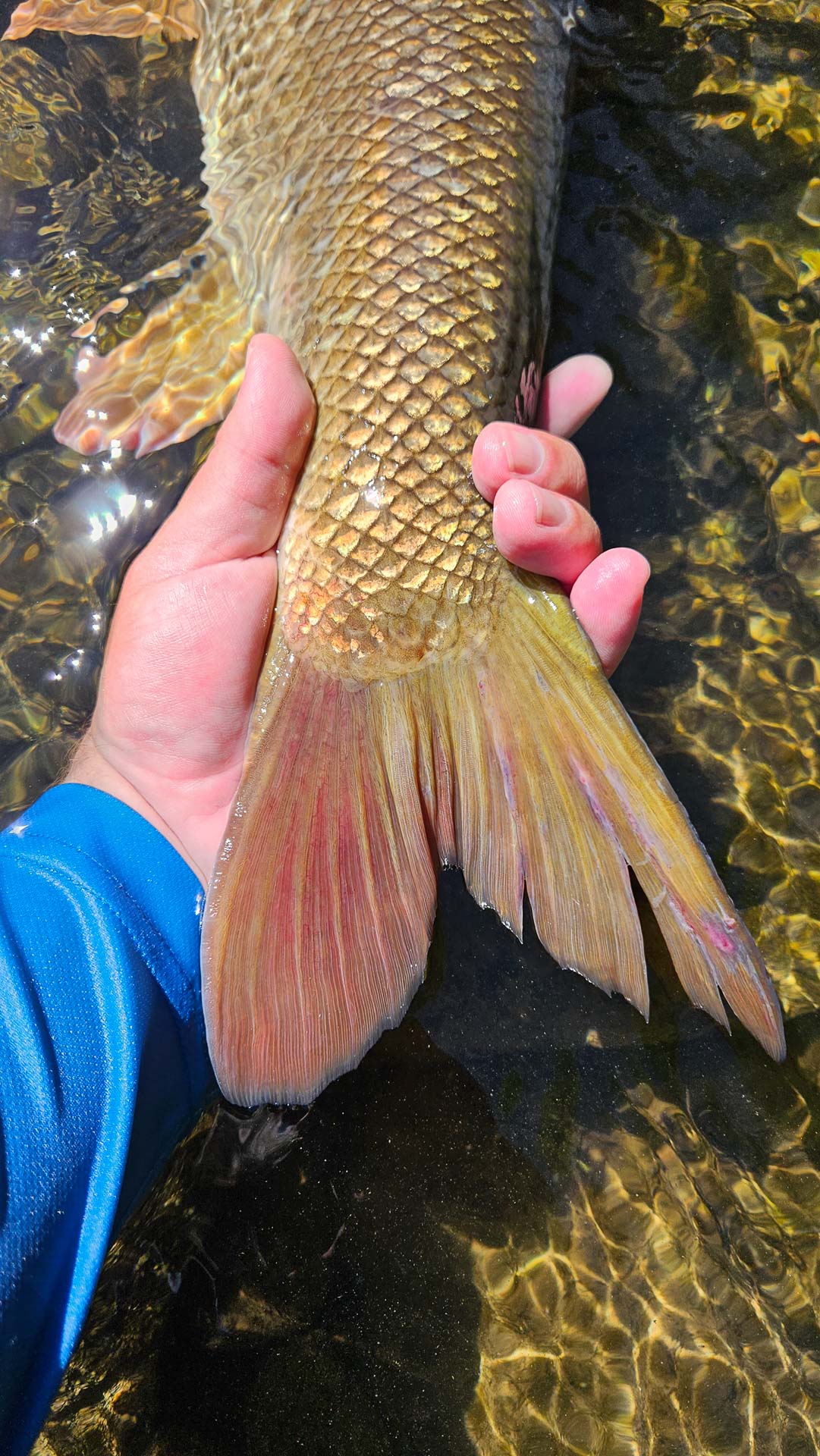
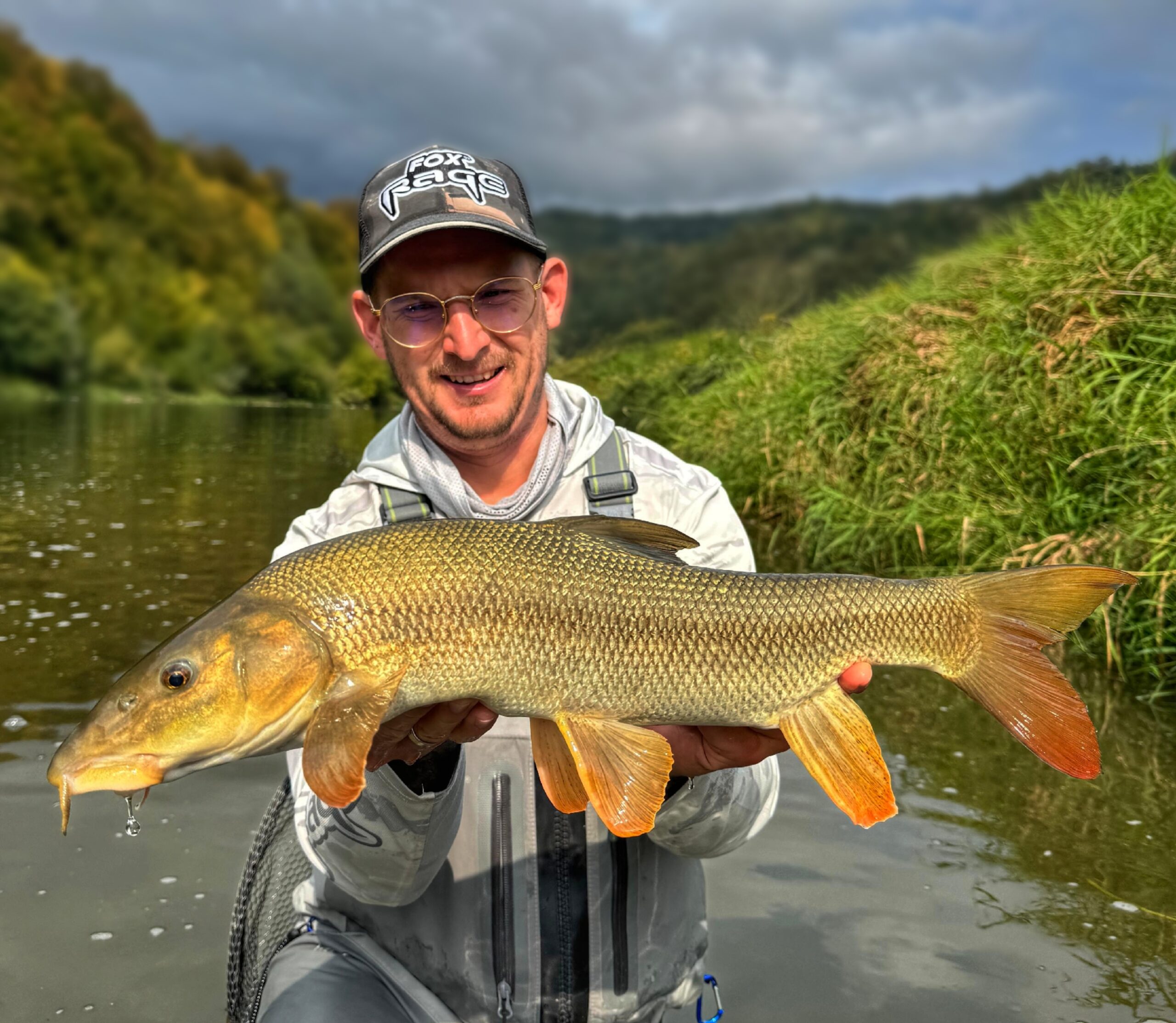
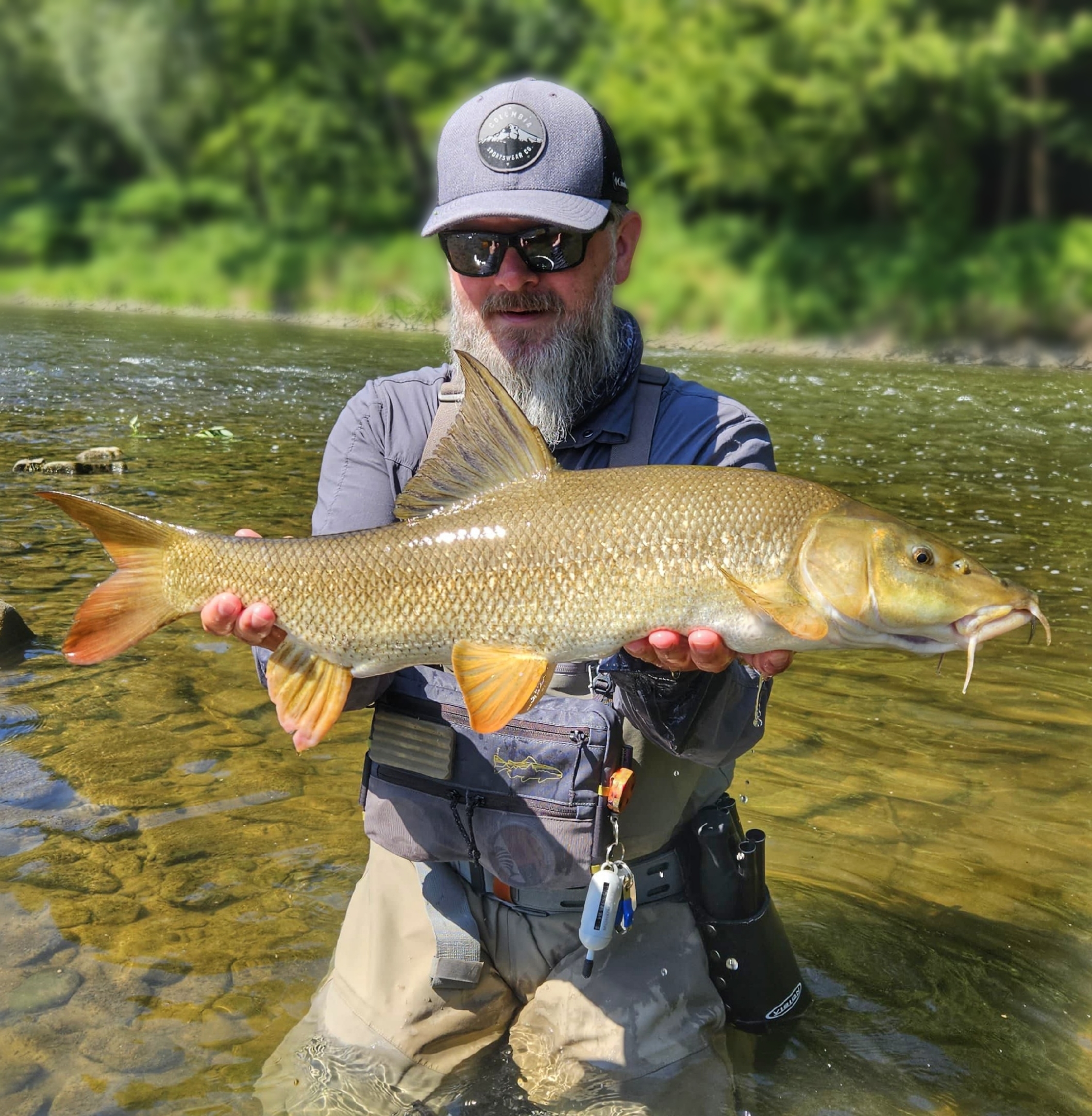
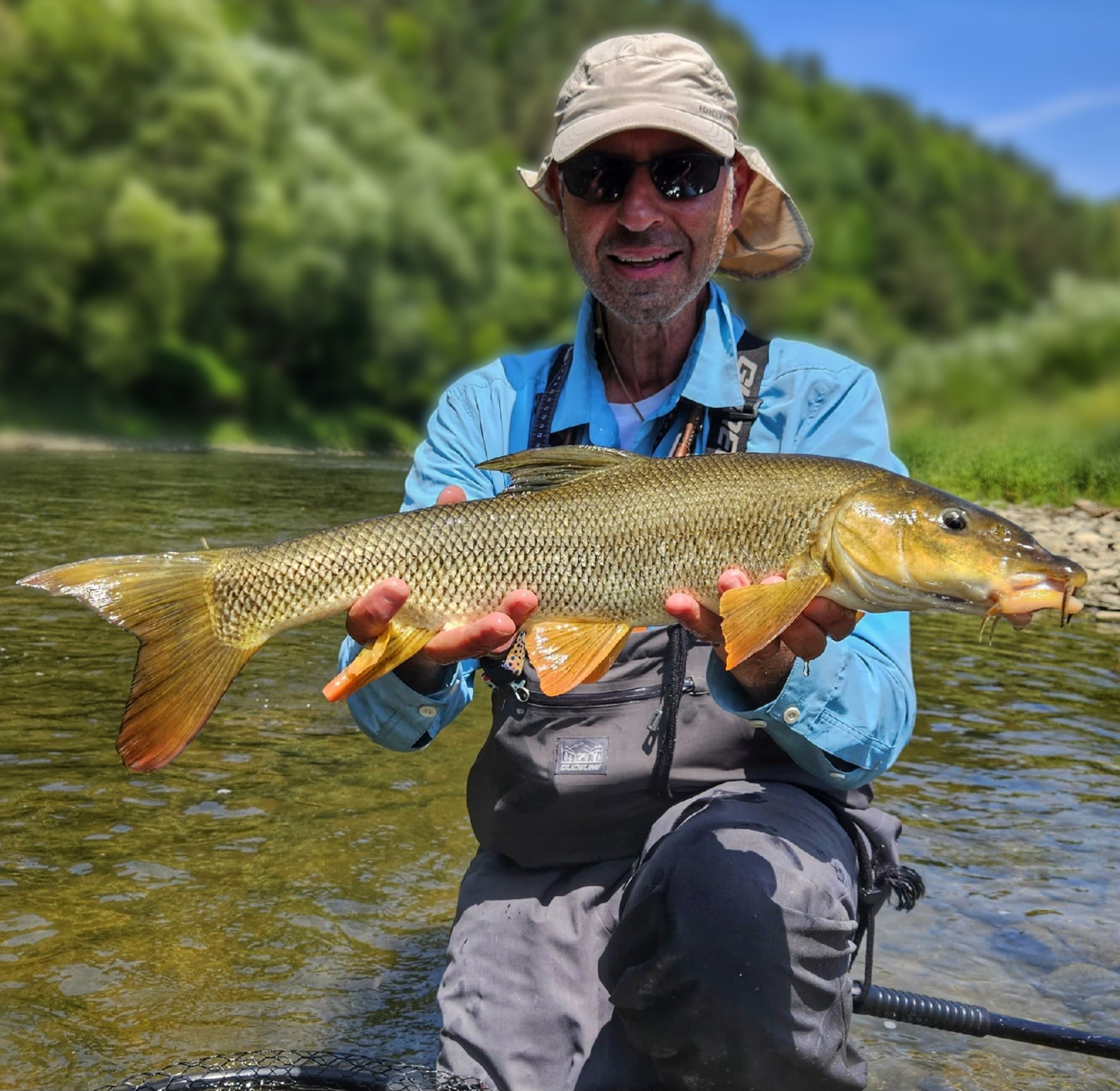
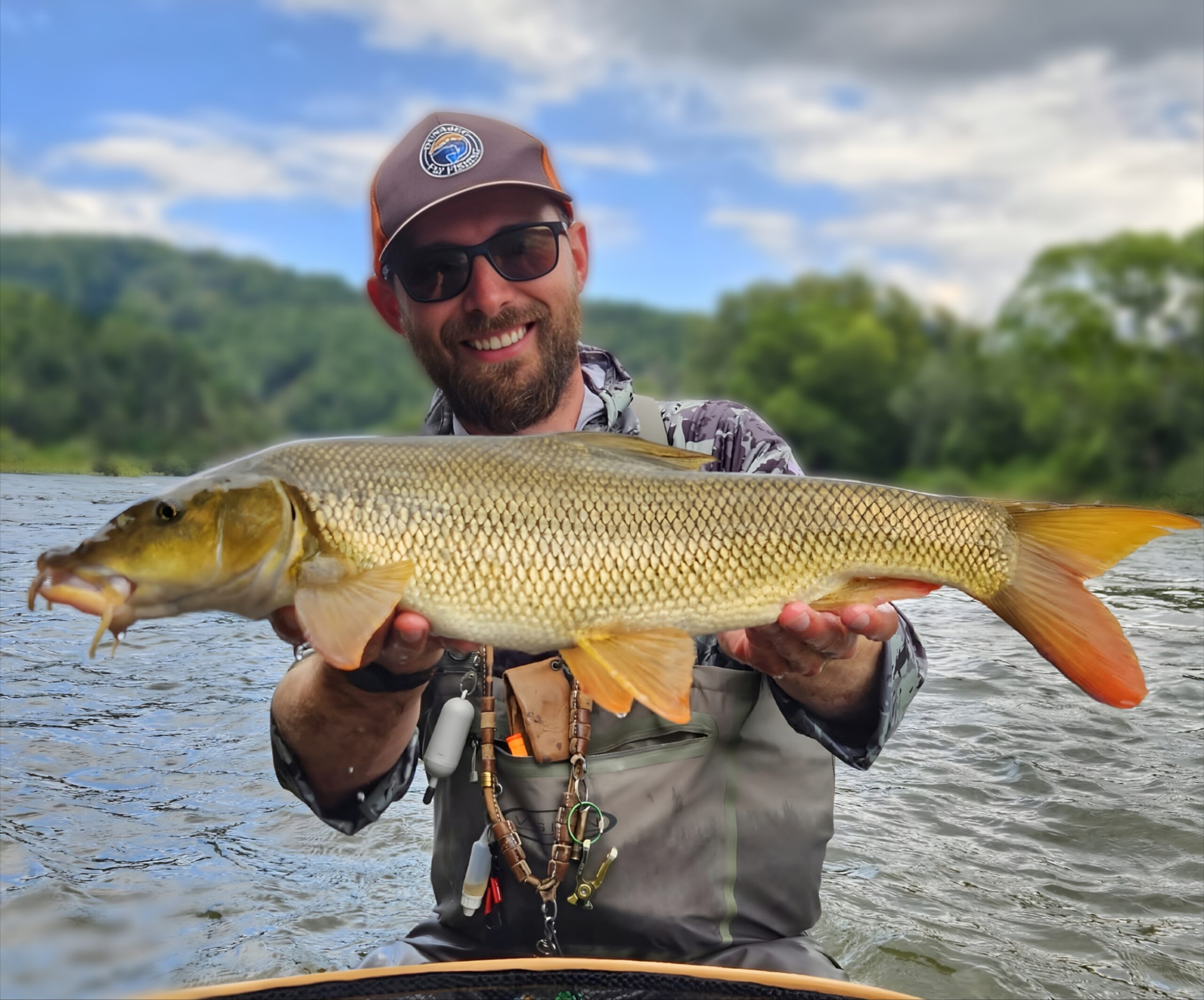
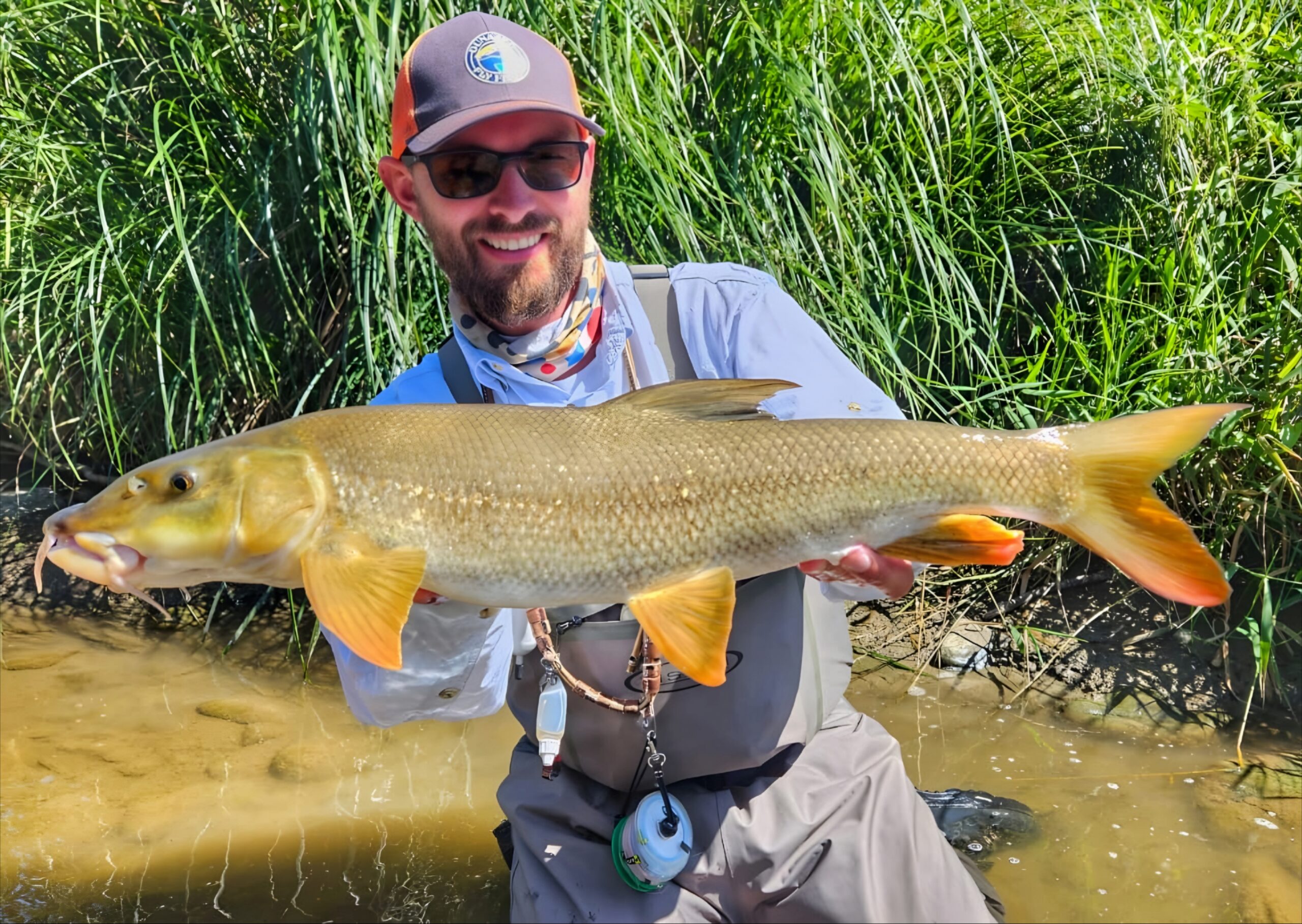
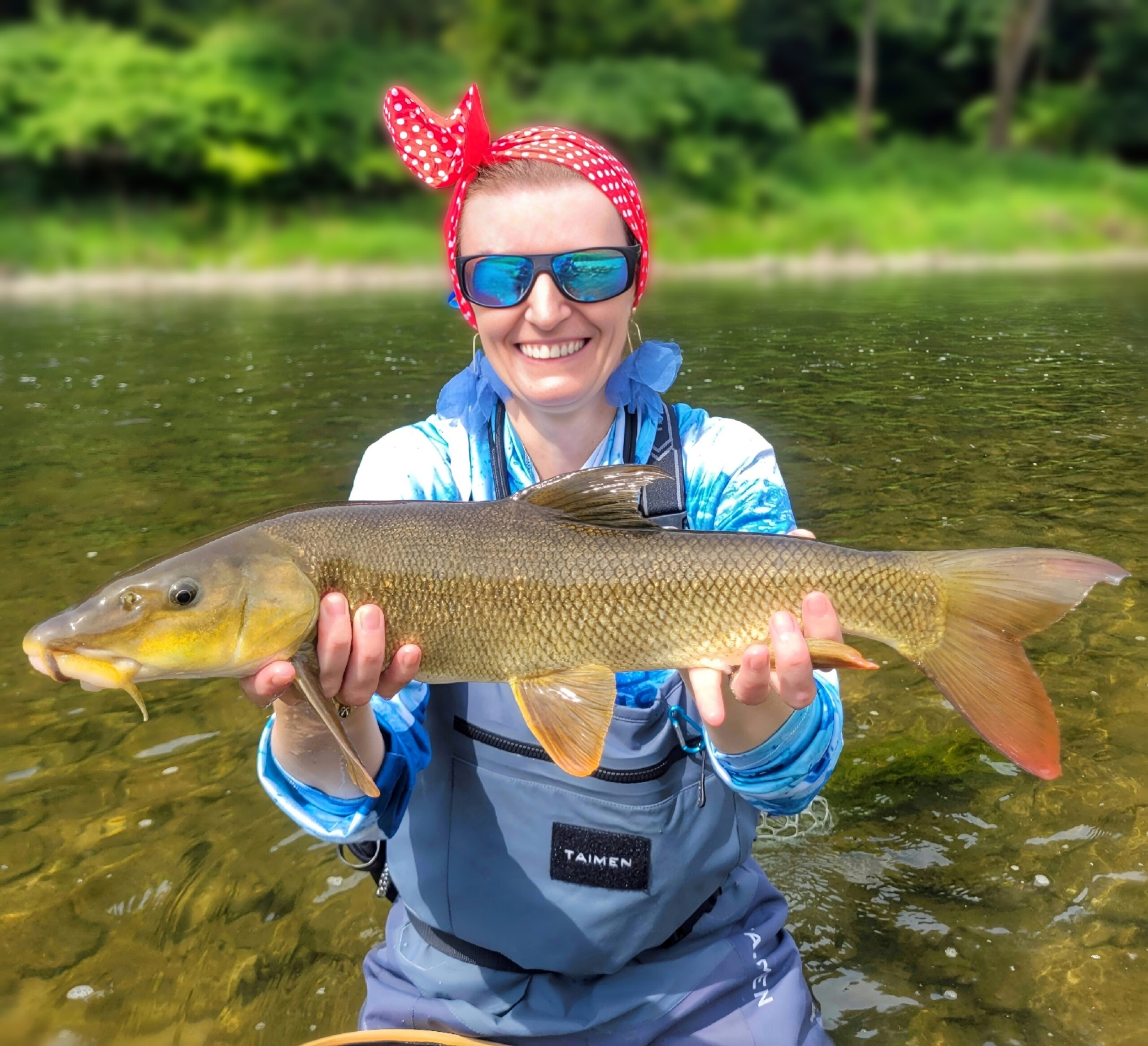
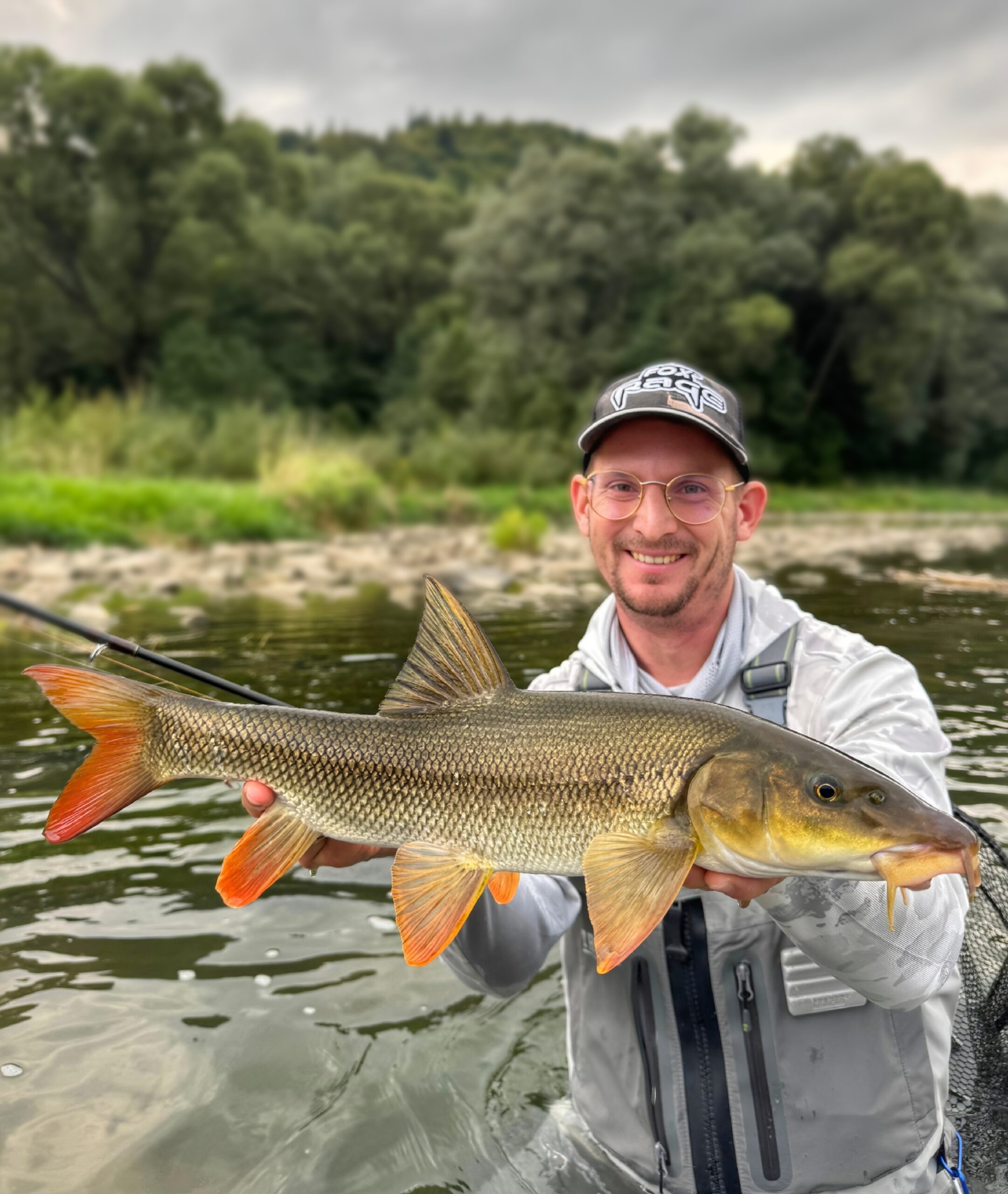
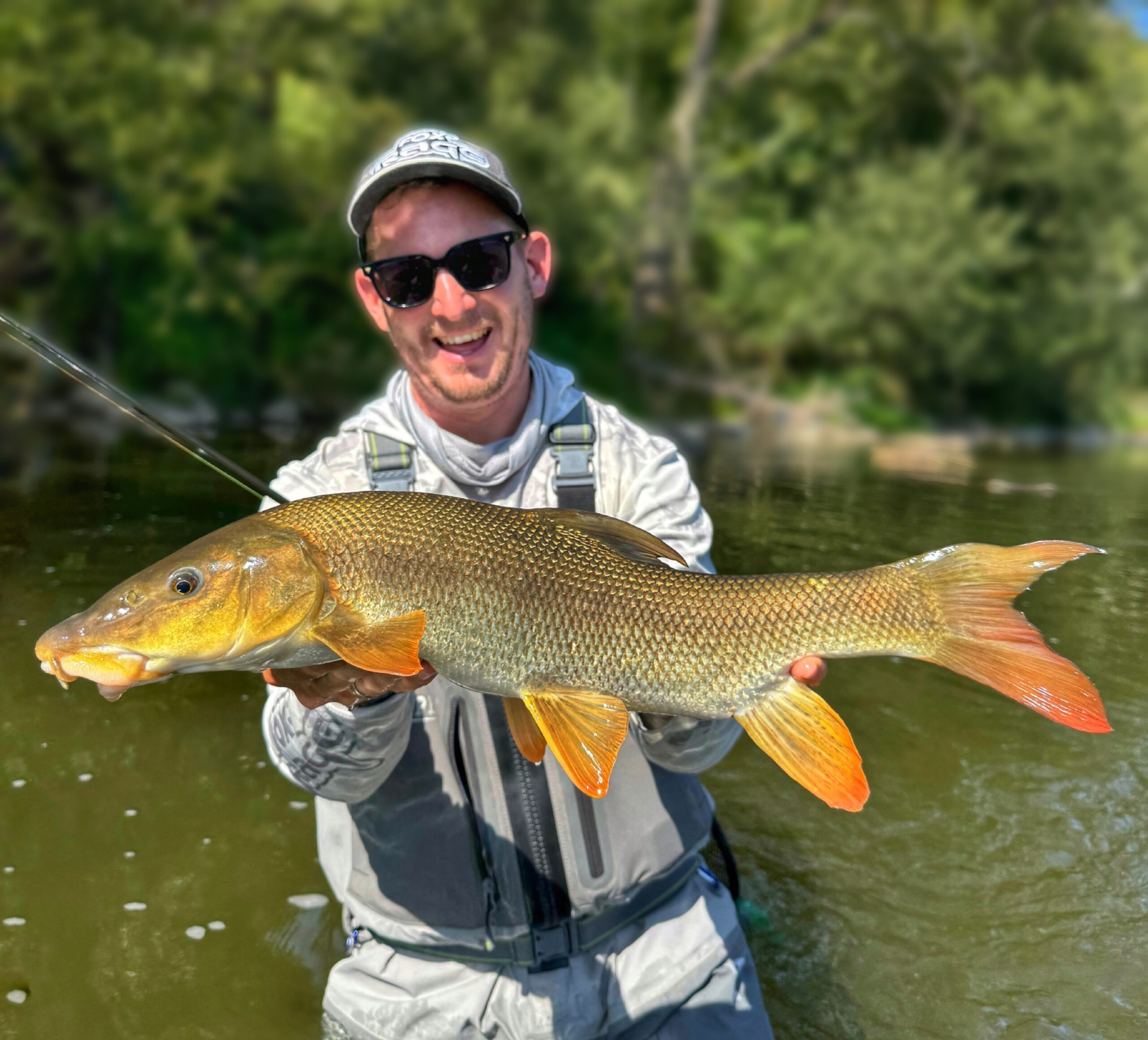
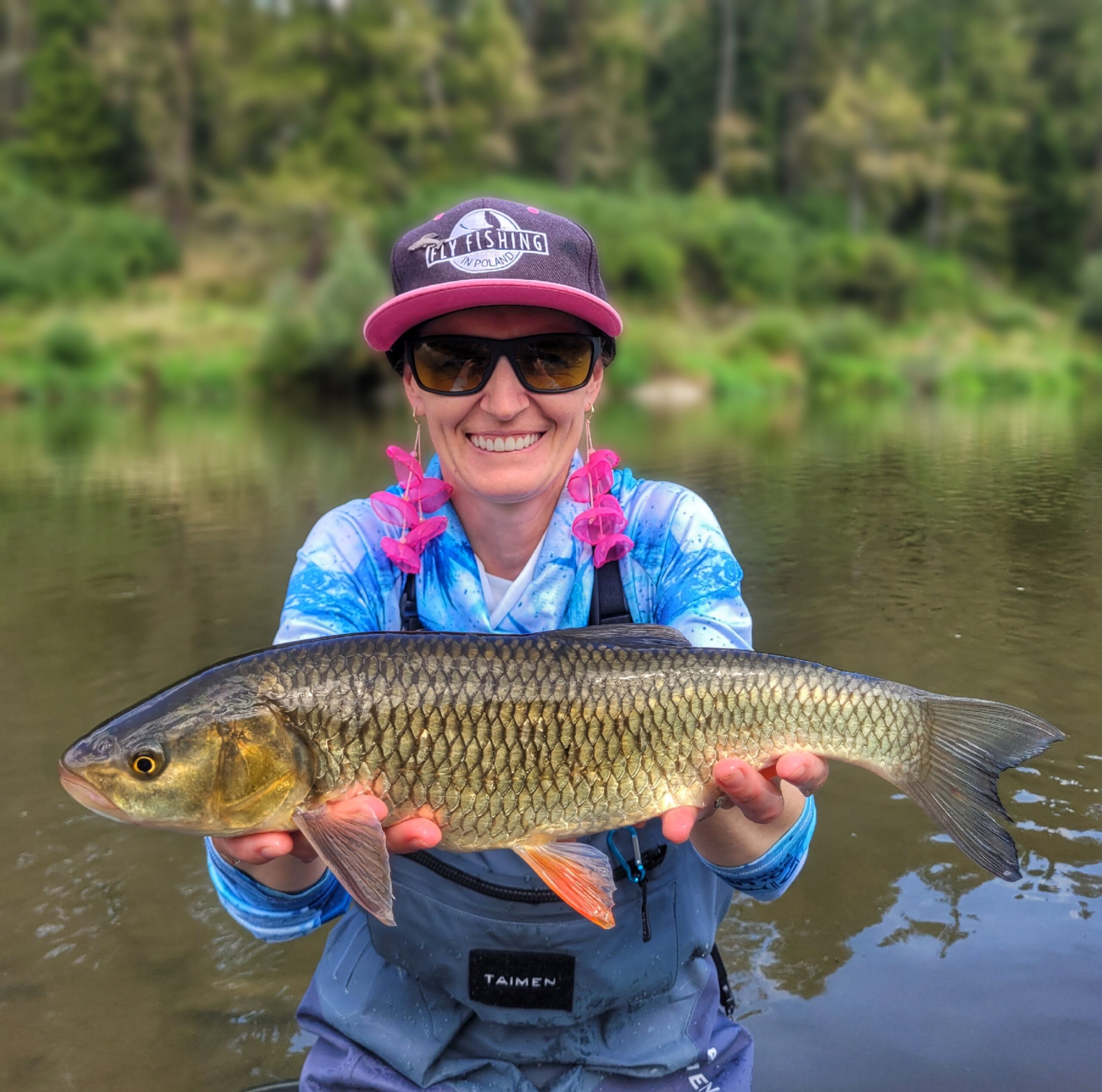
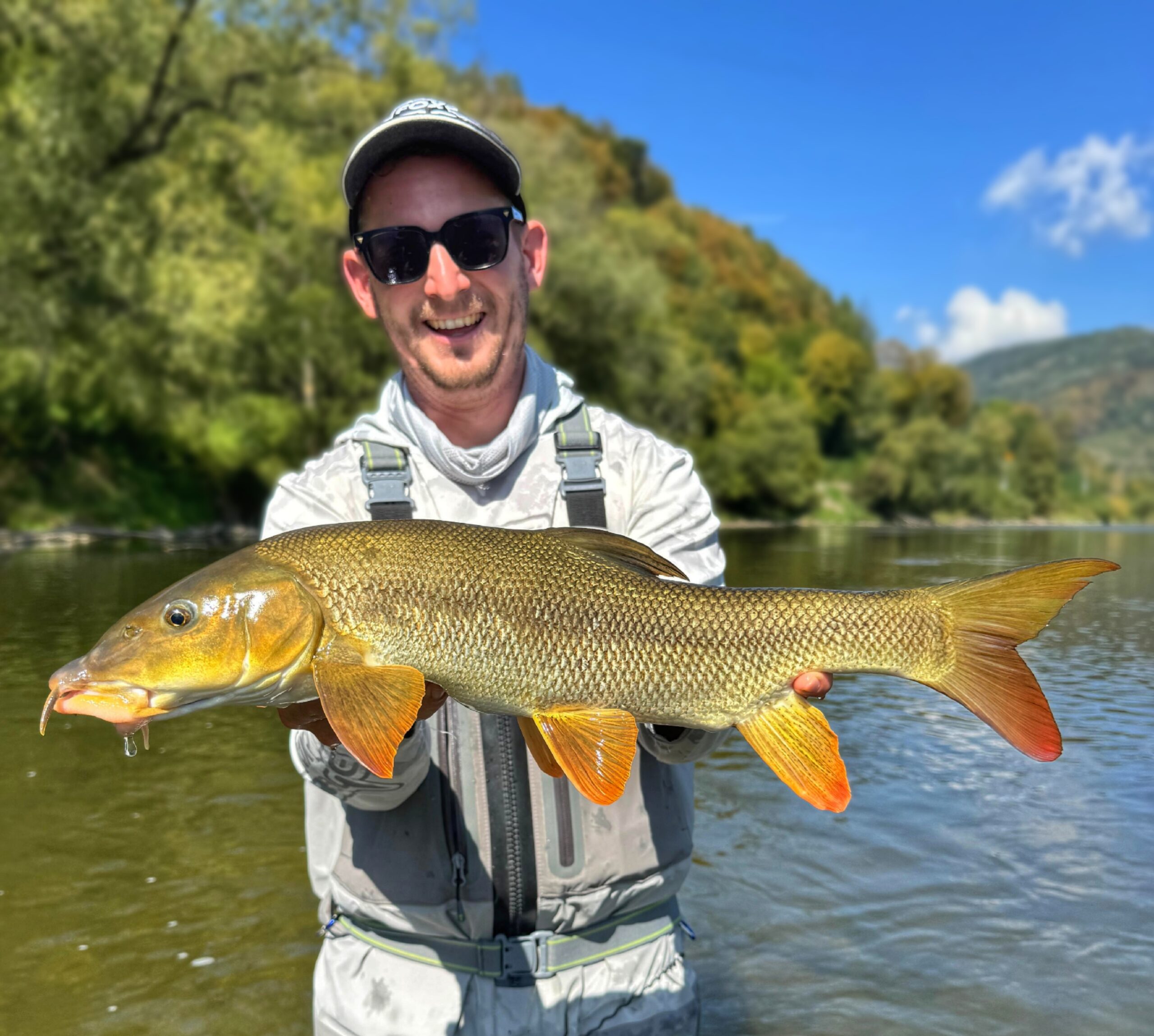
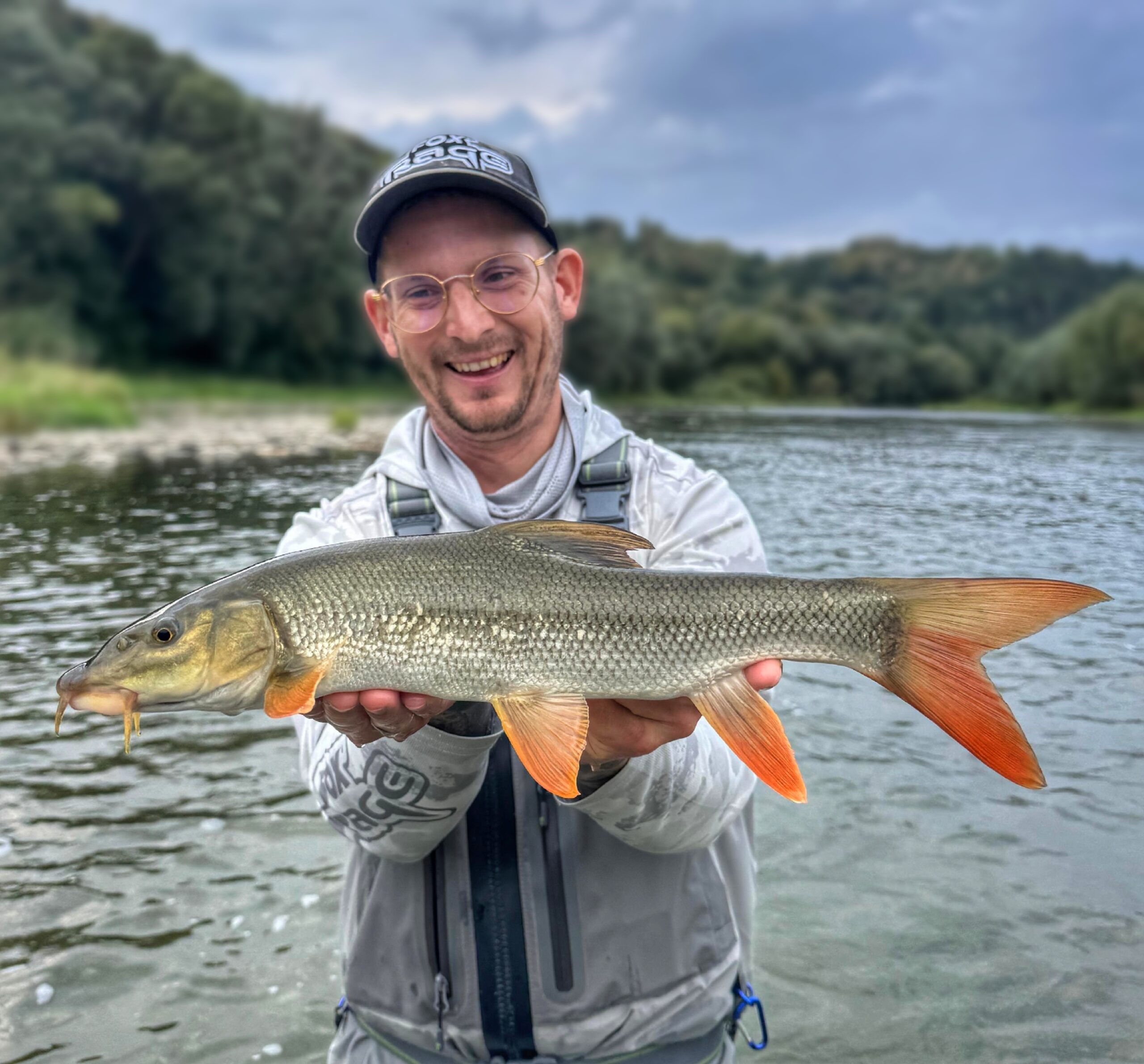
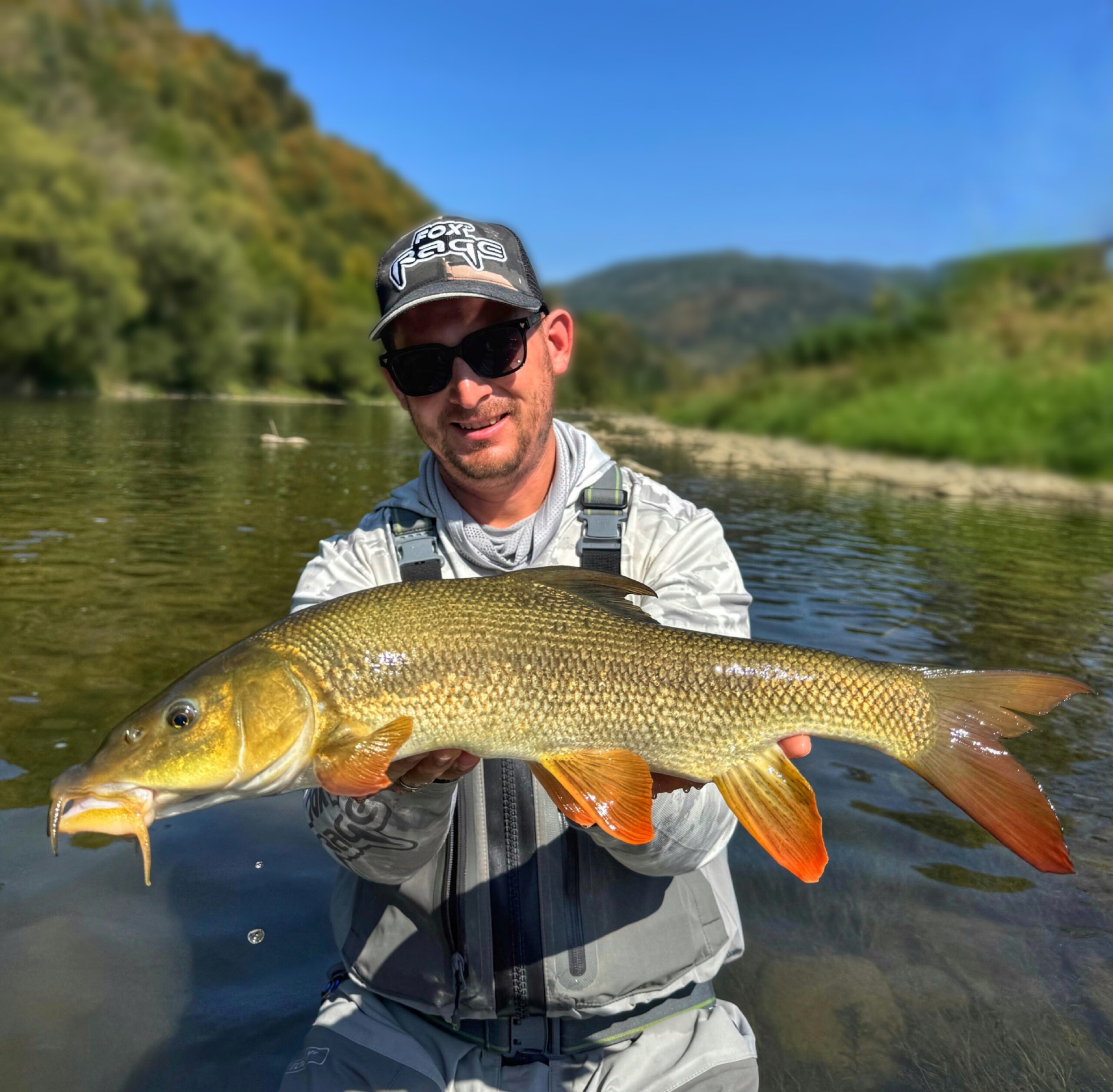
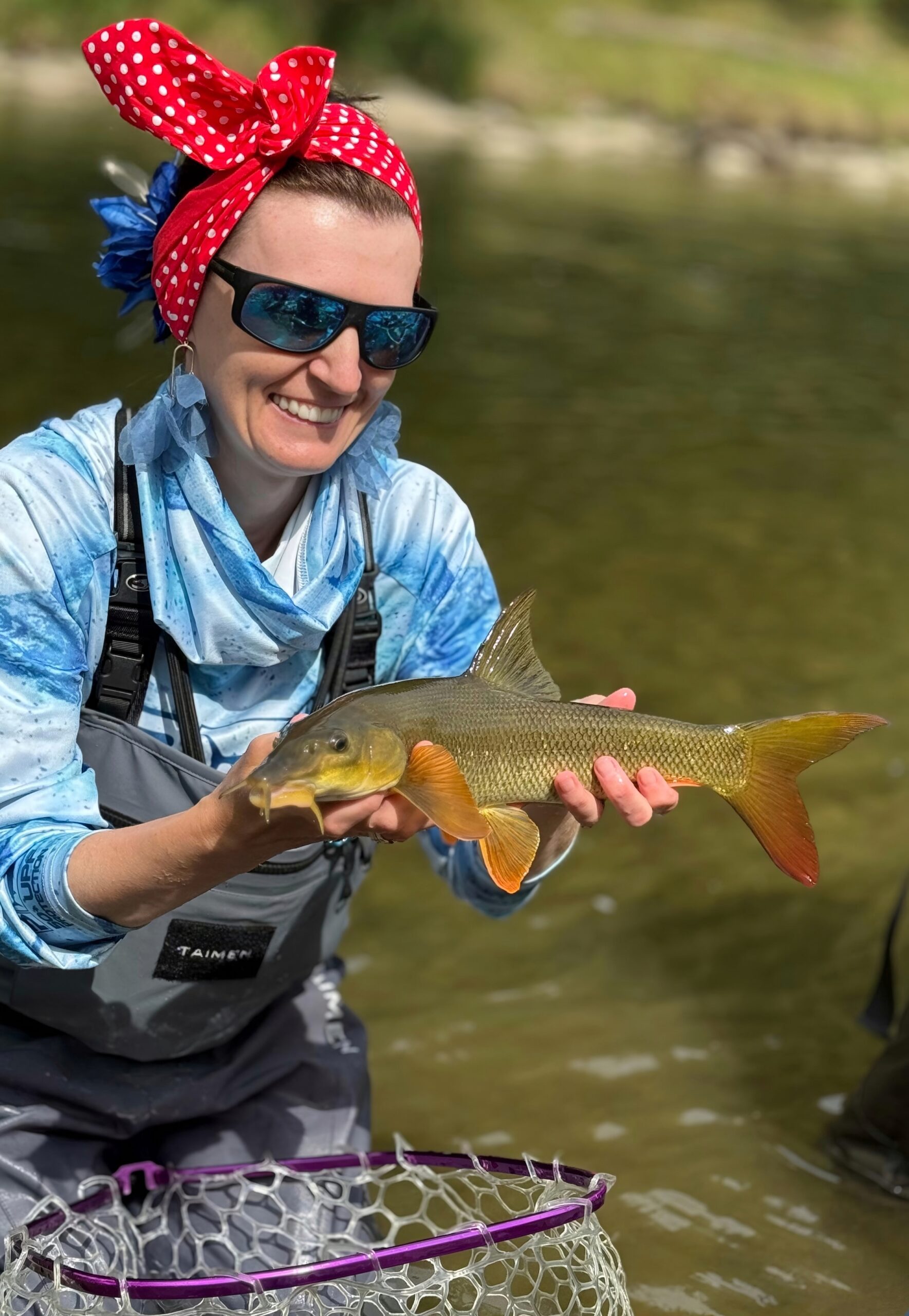
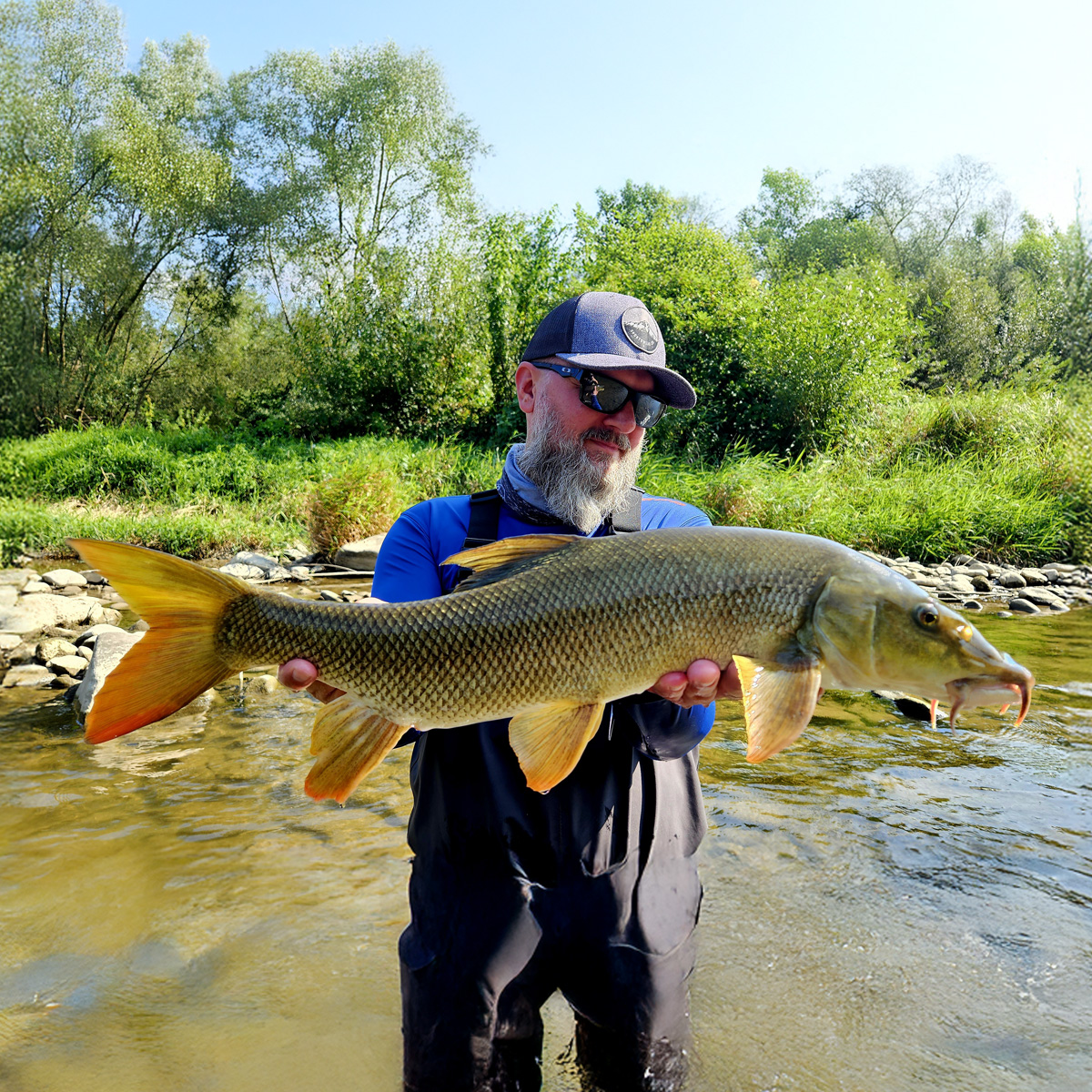
Barbel
(Barbus Barbus)
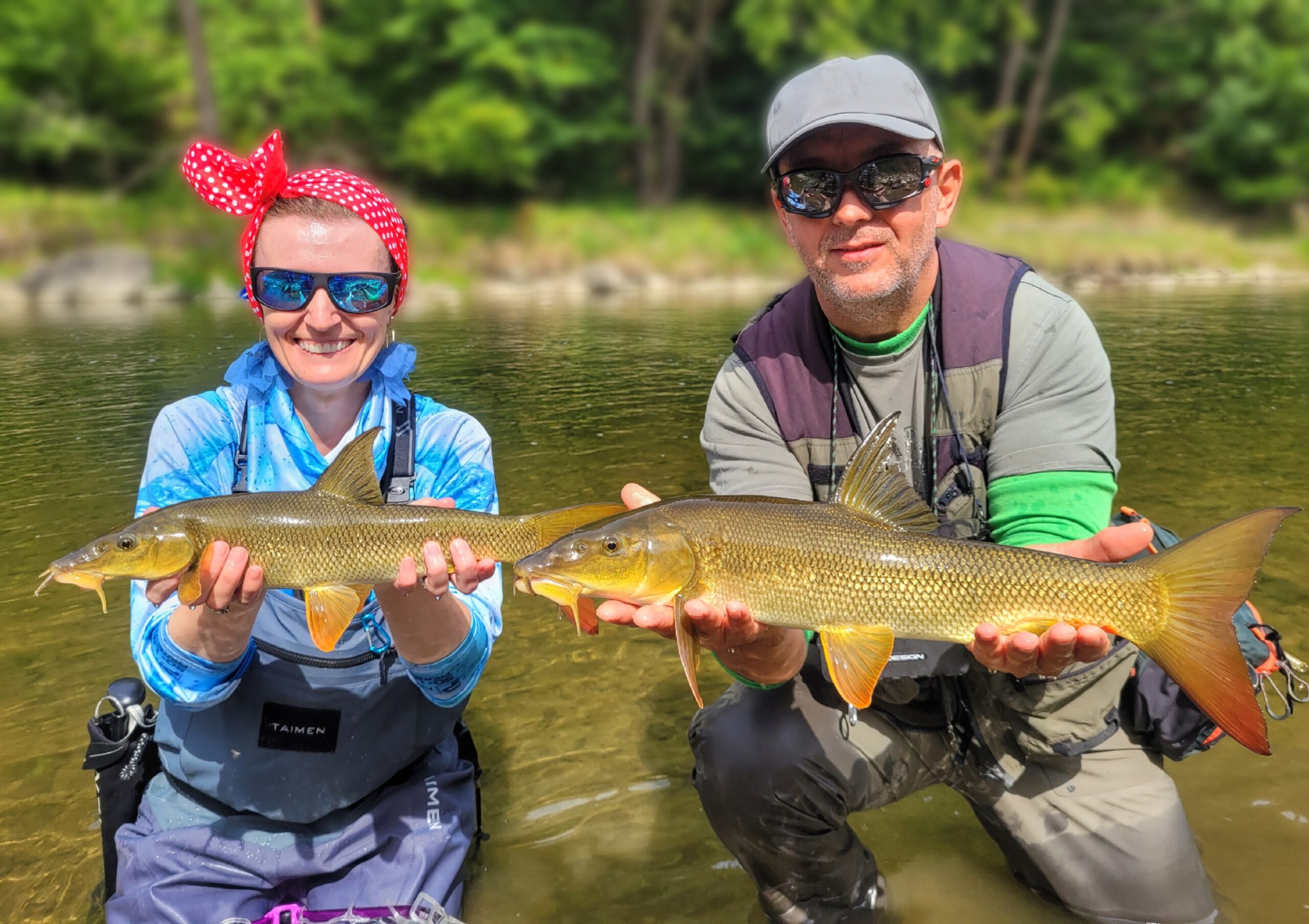
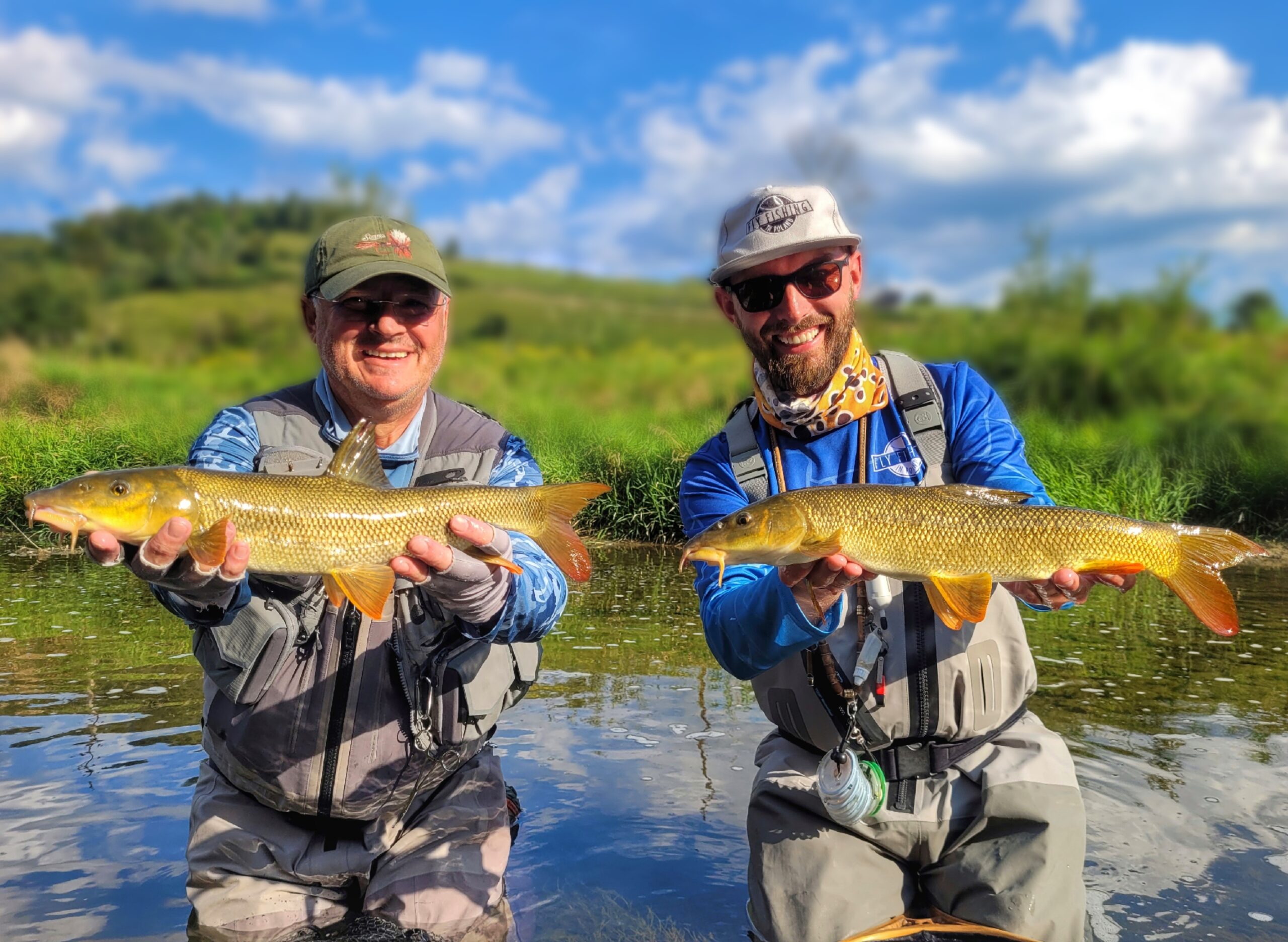
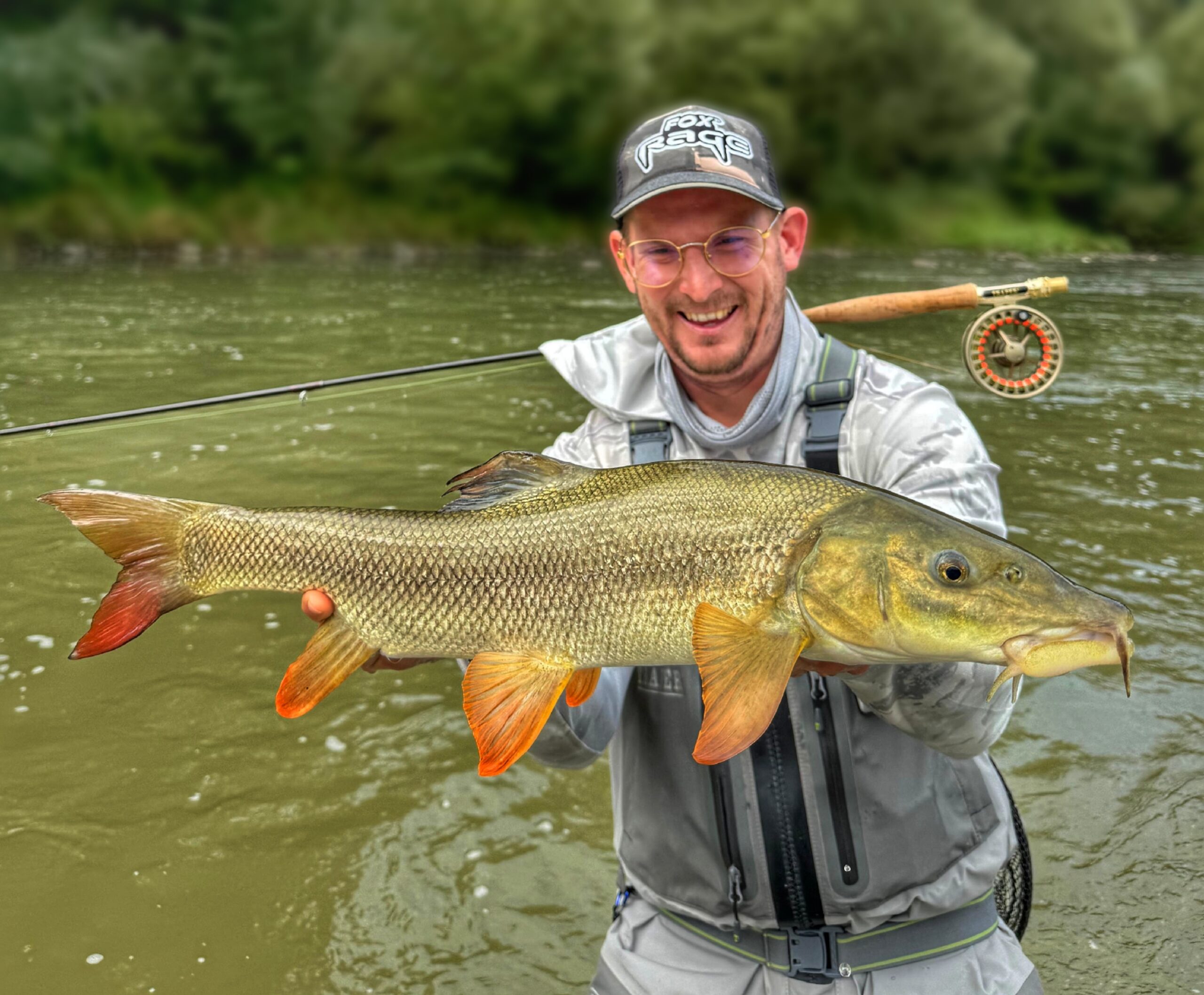
Species of freshwater fish from the Cyprinidae family. It exists in places with hard, stony or rocky-gravel bottoms with fast currents. Young barbel often stay close to the shore of the river, while adults choose mainstream with deeper water. The barbell is a fish that feeds mainly from the bottom. The best method of fishing is short or long nymph. Sometimes you happen to catch the barbel on a streamer. It’s fight is very fierce and combative, after hooking-up it usually runs and takes lots of line, then it stays in one place as if glued to the bottom.
The fight against an adult barbel gives the angler an incredible roller coaster ride of emotions.
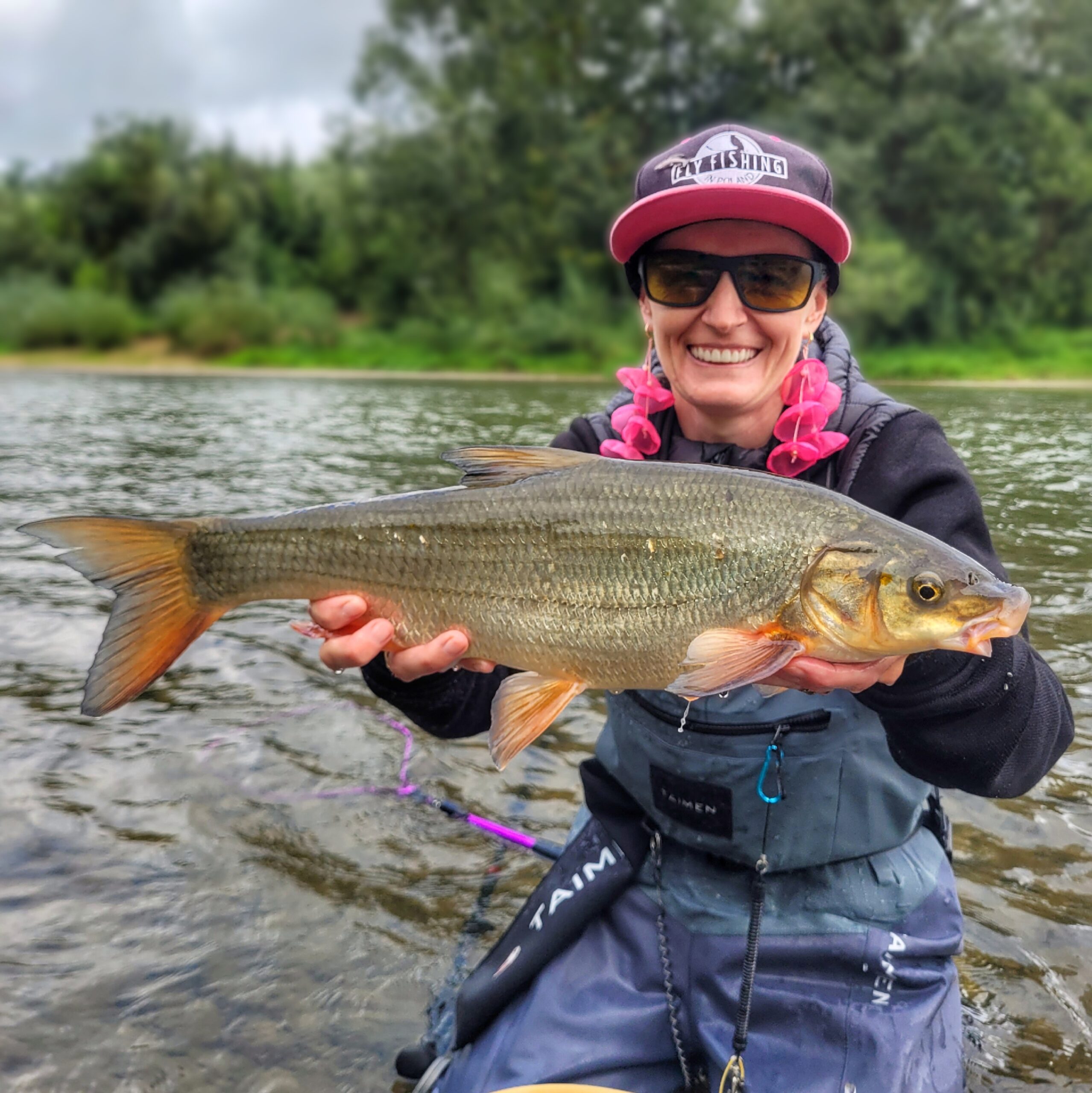
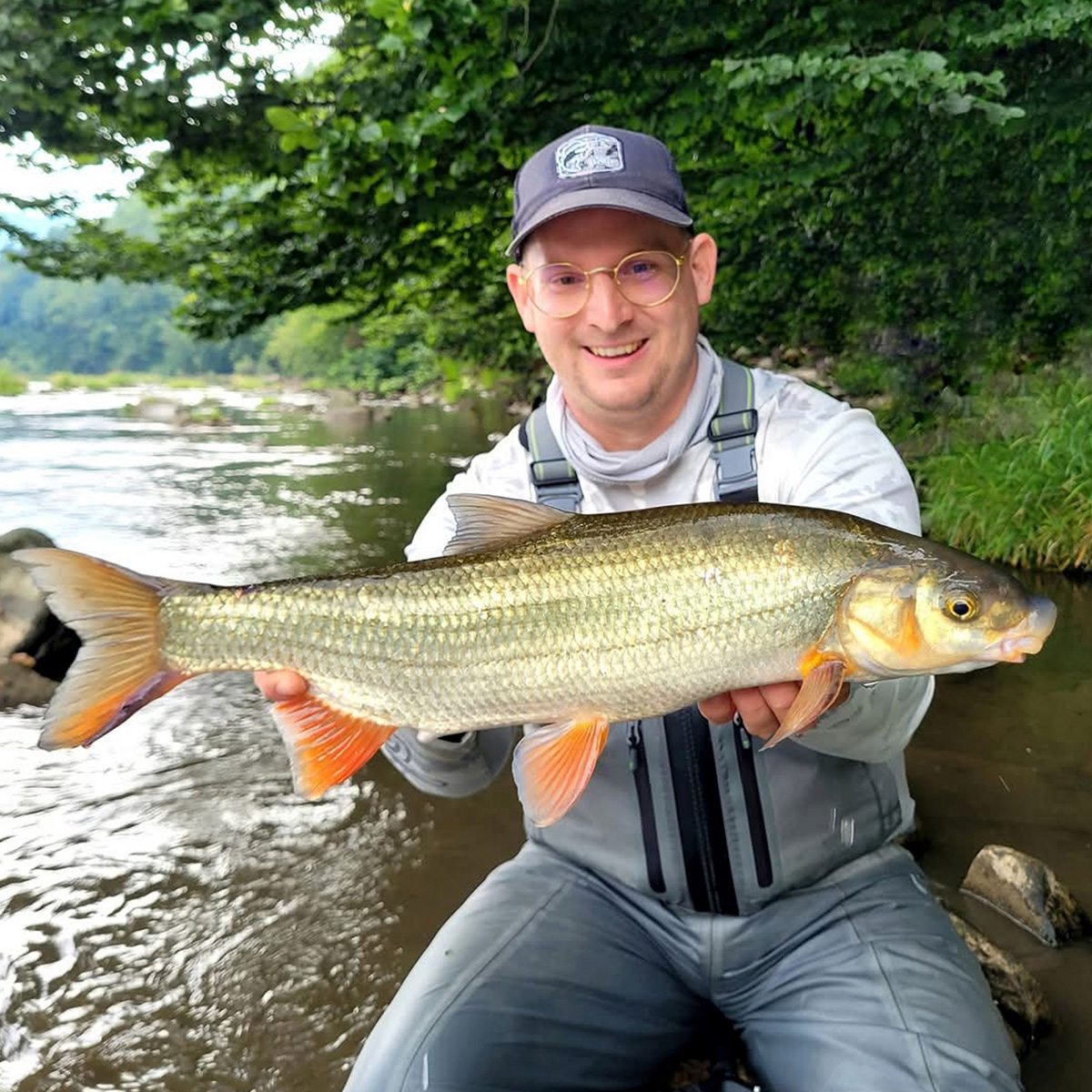
Nase fish
(Chondrostoma nasus)
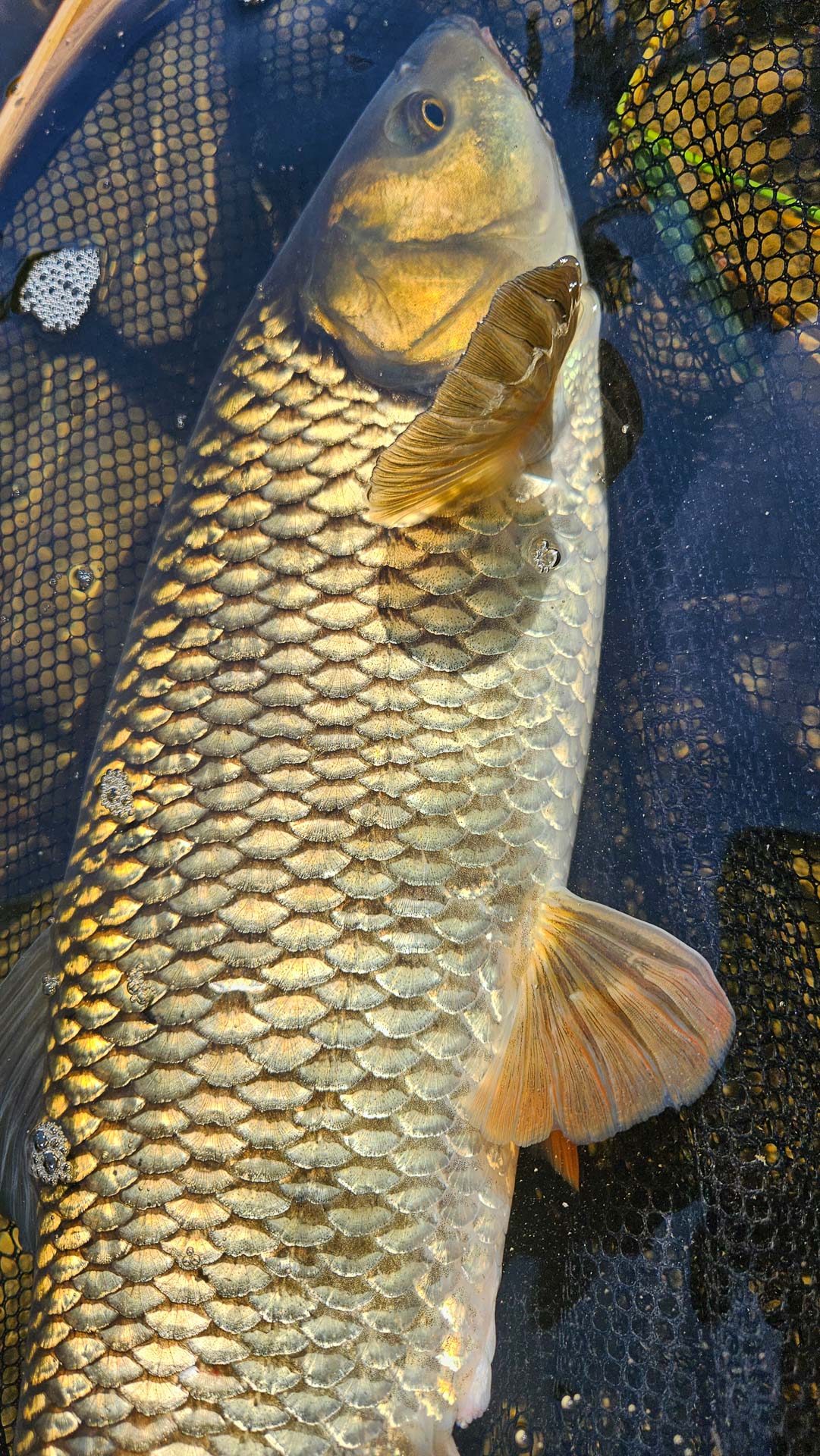
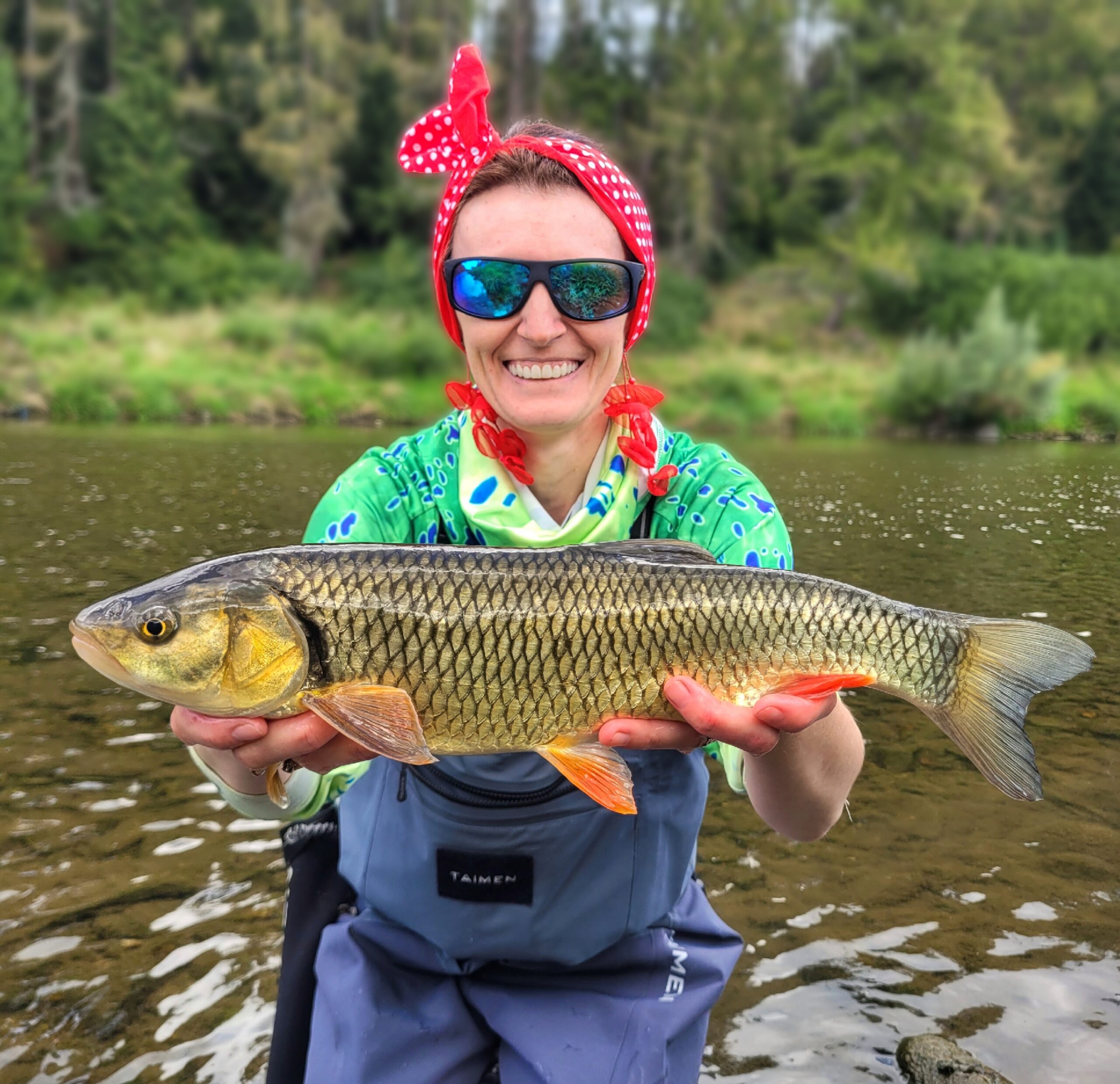
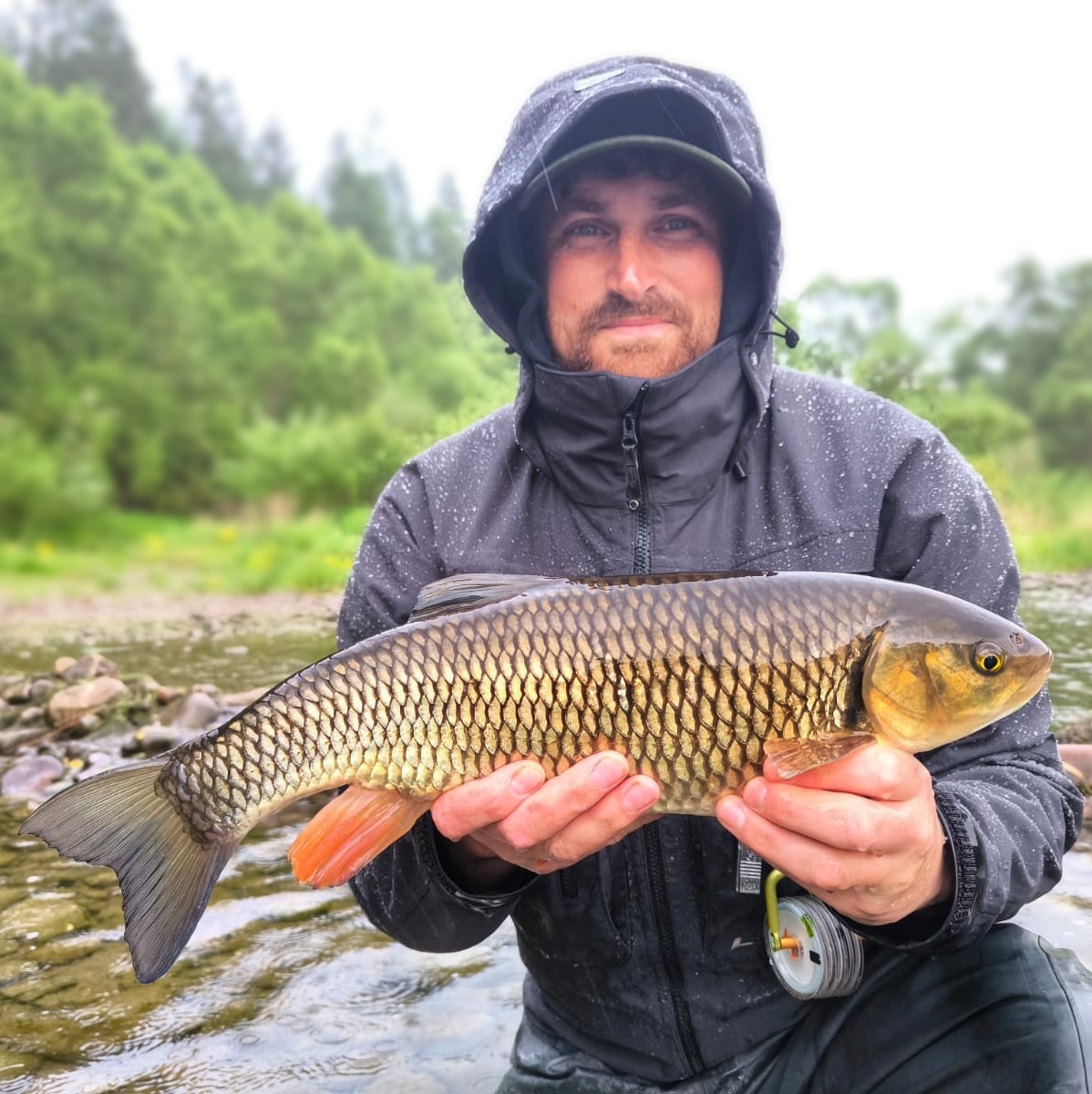
The nase fish, scientifically known as Chondrostoma nasus, is a freshwater species native to Central and Eastern Europe. It is characterized by a streamlined body, silver scales, and a distinctive protruding lower jaw, which it uses to graze algae and biofilm from rocks.
The nase primarily inhabits fast-flowing rivers and streams, where it prefers clear, oxygen-rich waters. One such natural habitat for the nase is the Dunajec River in Poland.
The Dunajec, with its dynamic currents and diverse aquatic environment, provides an ideal setting for the nase, offering plenty of food sources and suitable spawning grounds. This river, flowing through picturesque landscapes, supports a rich biodiversity, making it a crucial ecosystem for various aquatic species, including the nase.
The nase primarily inhabits fast-flowing rivers and streams, where it prefers clear, oxygen-rich waters. One such natural habitat for the nase is the Dunajec River in Poland.
The Dunajec, with its dynamic currents and diverse aquatic environment, provides an ideal setting for the nase, offering plenty of food sources and suitable spawning grounds. This river, flowing through picturesque landscapes, supports a rich biodiversity, making it a crucial ecosystem for various aquatic species, including the nase.
And many more

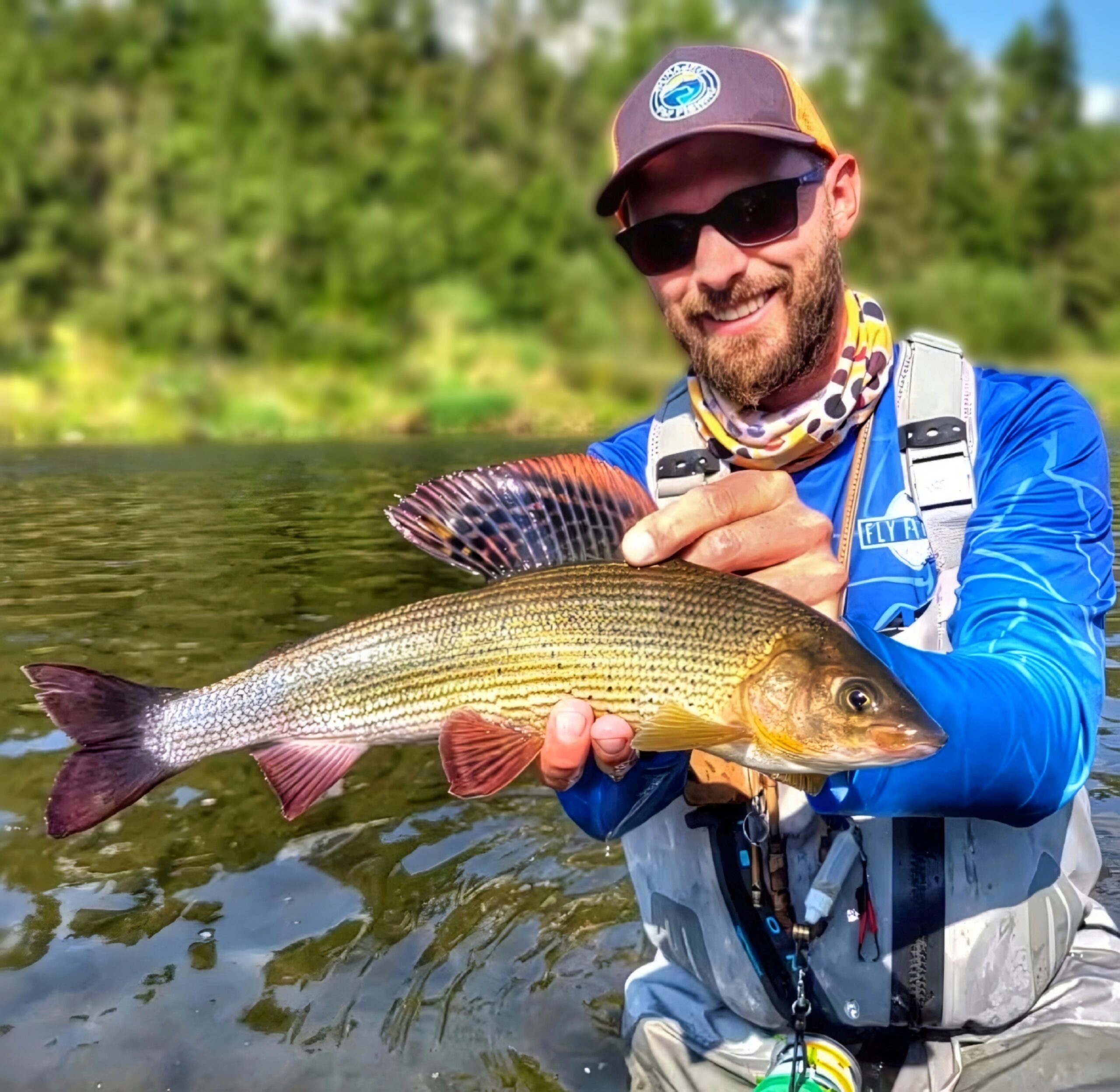
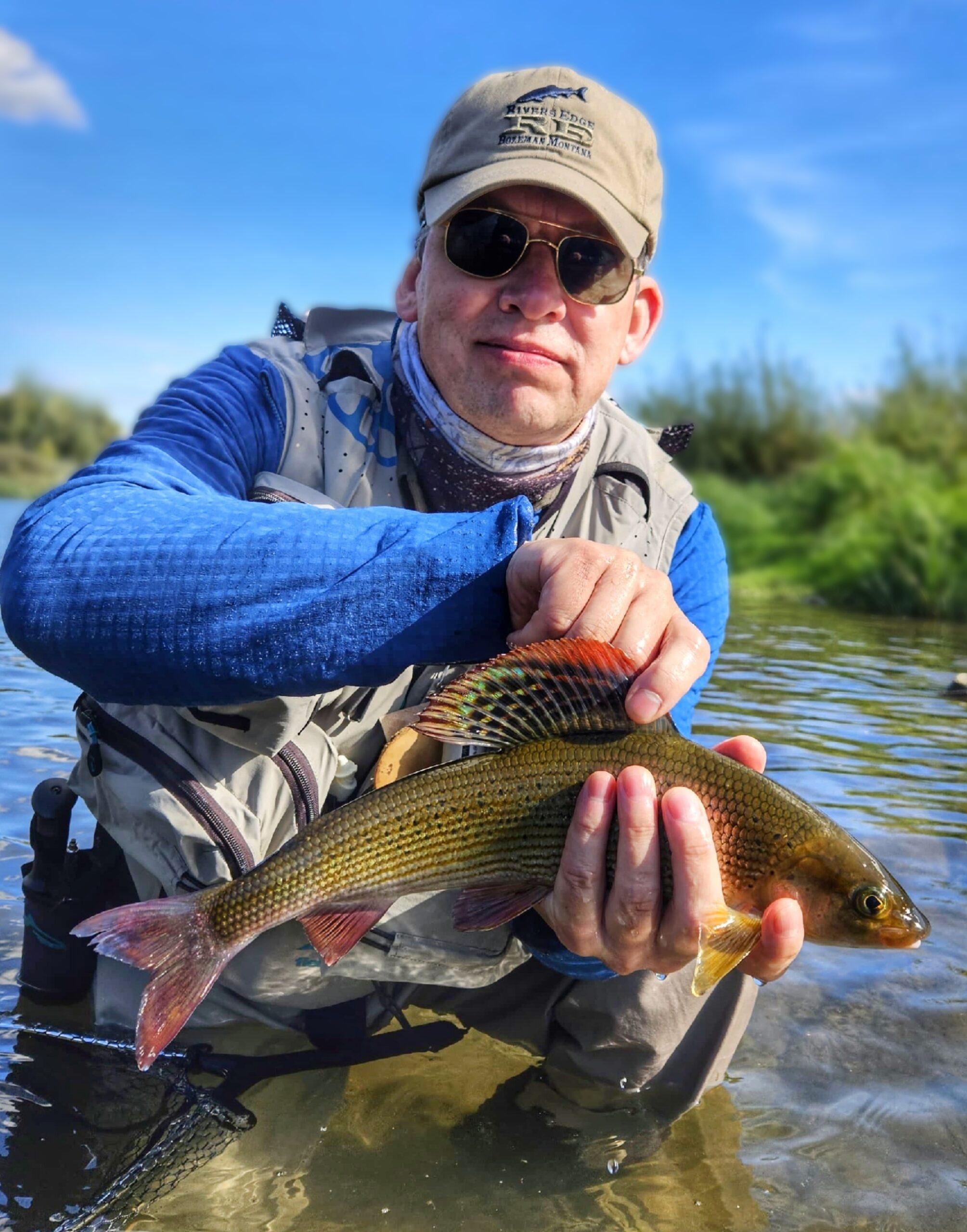
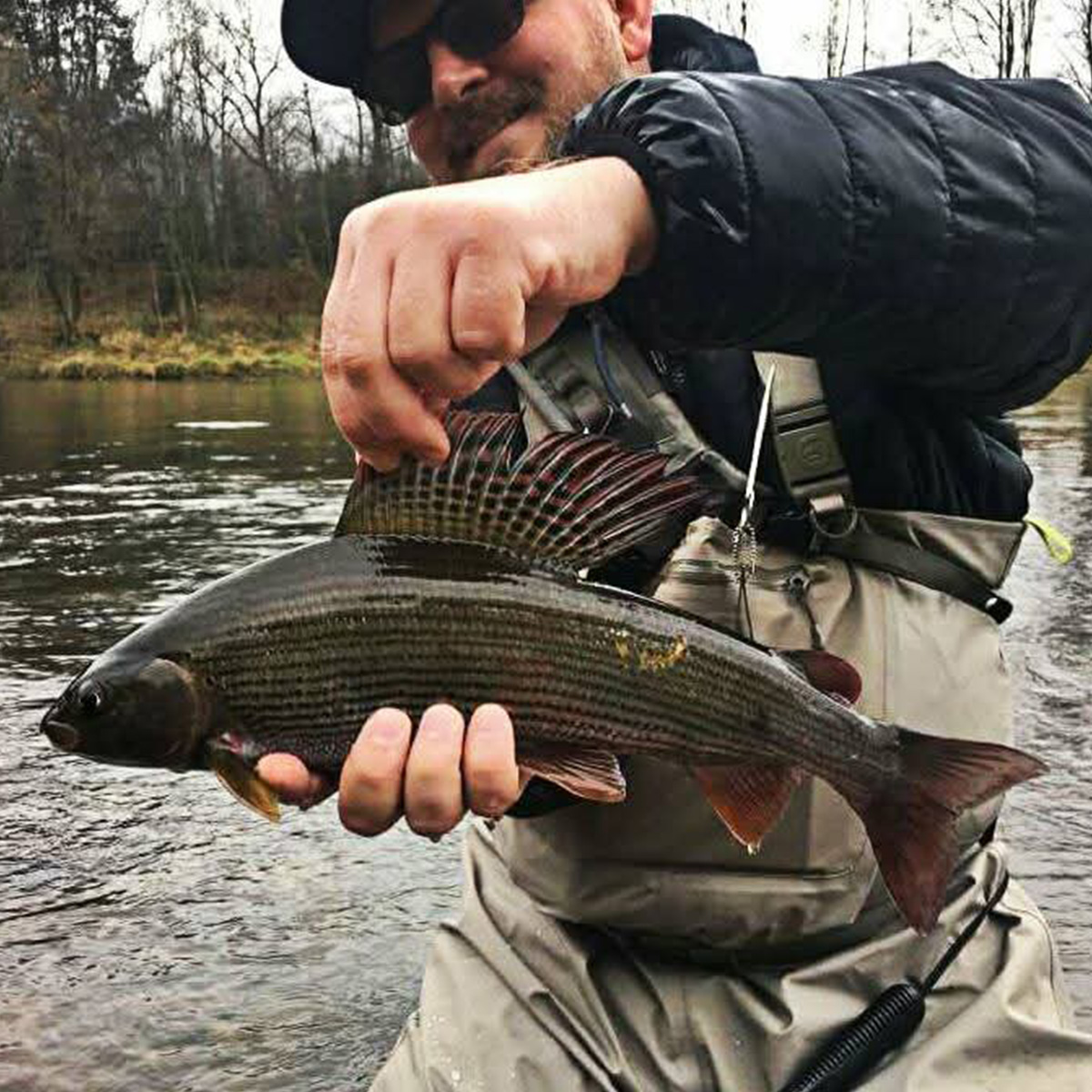
GARLING
(Thymallus Thymallus)
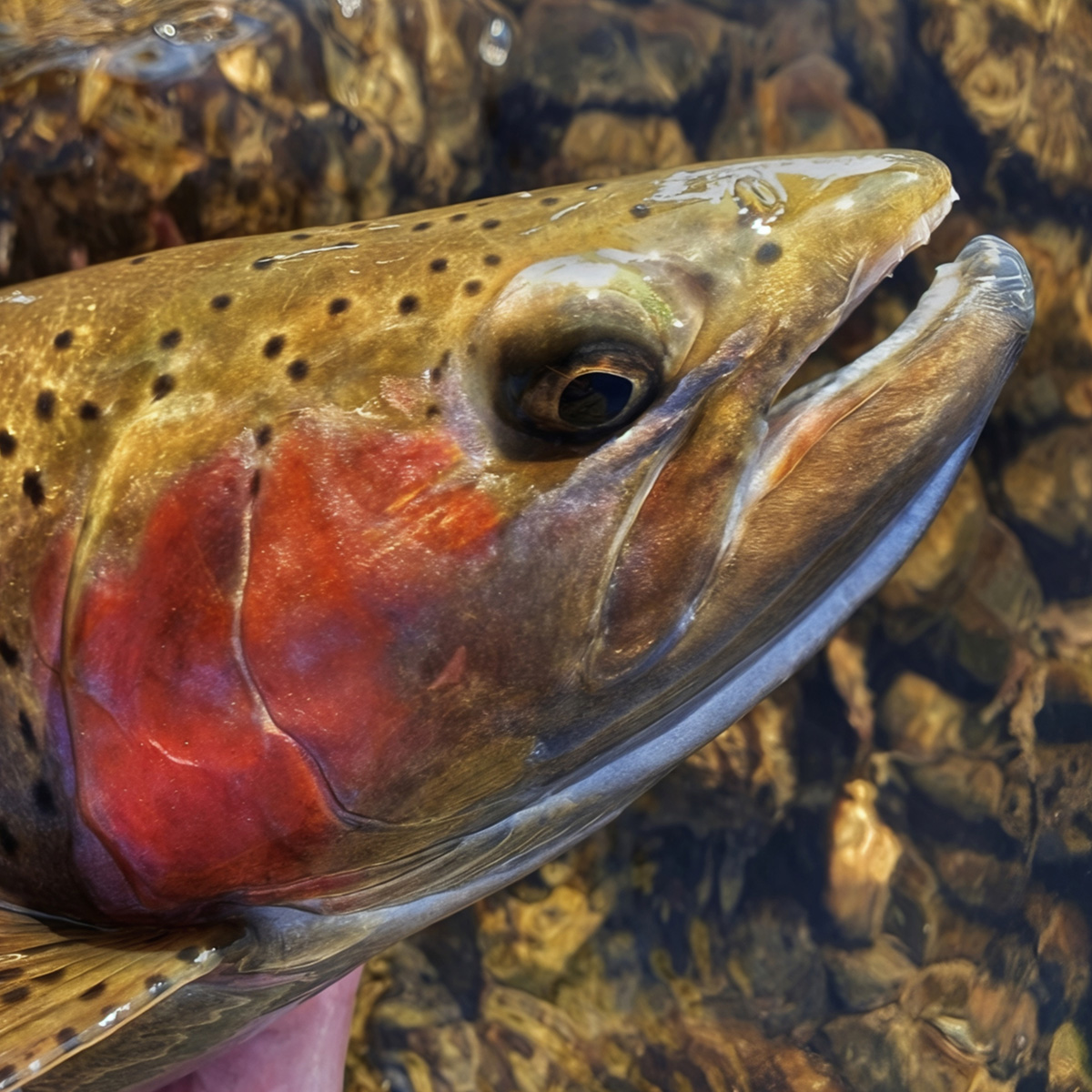
RAINBOW TROUT
(Oncorhynchus mykiss)
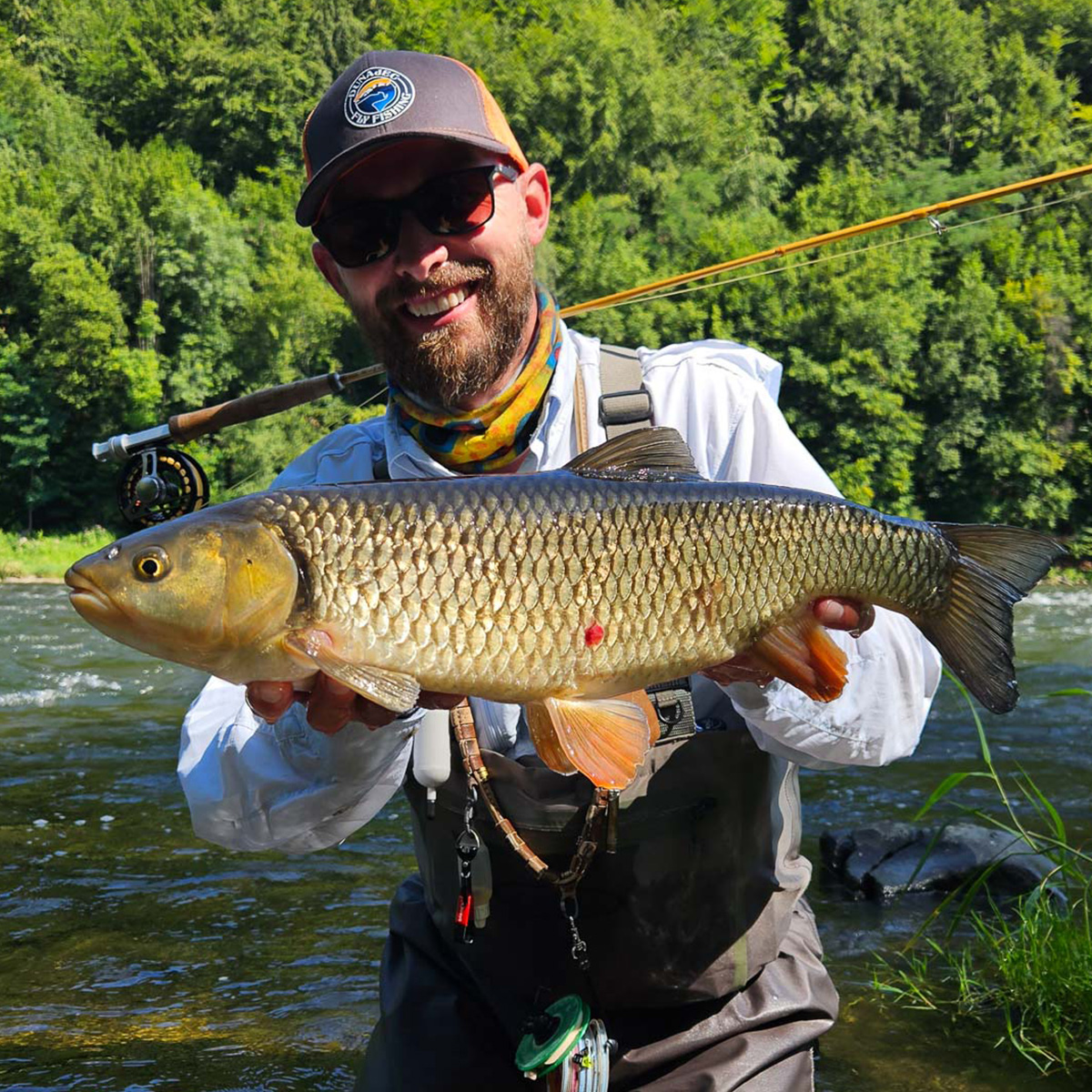
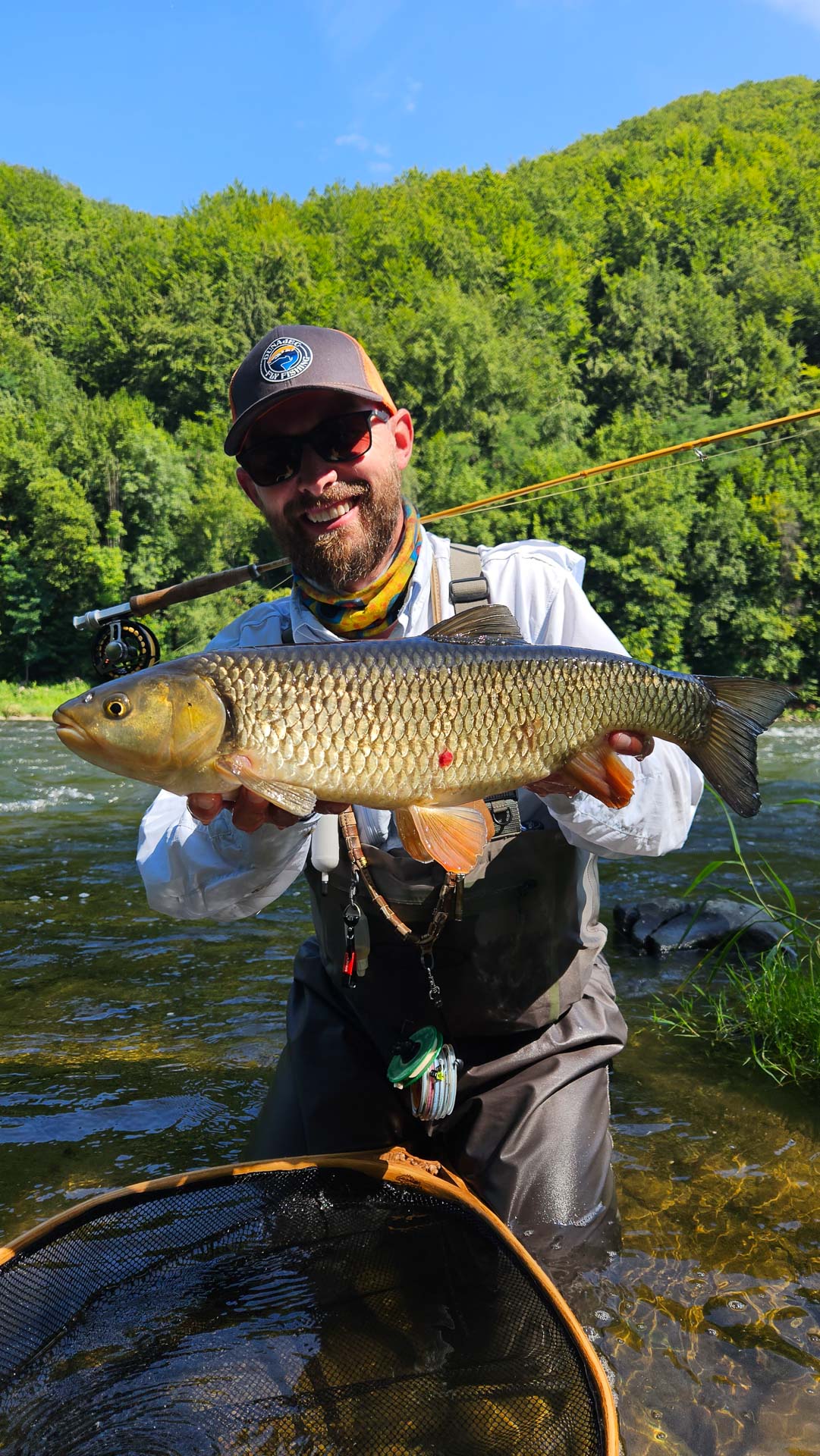
CHUB FISH
(Squalius cephalus)